Why Your UV Bulbs Aren’t Performing Like the Lab Specs
I’ve walked through about 3,000 printing plants. If there’s one thing I’ve learned, it’s that what looks great on a spec sheet often falls apart on the actual shop floor. There’s usually a gap between the “perfect” lab environment and the reality of a loud, hot production line. The real trick isn’t just getting high UV intensity—it’s figuring out how to handle the heat so you don’t warp your materials.
The Basics of the Burn
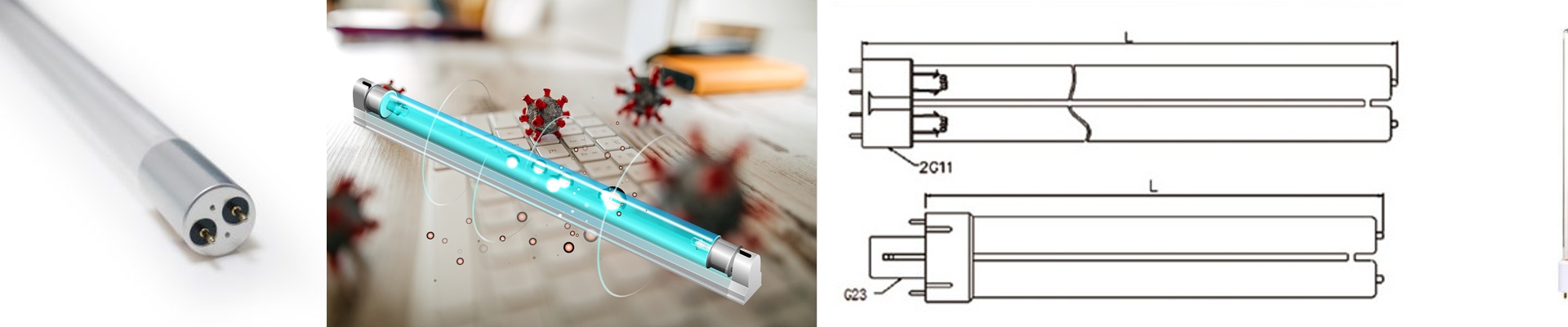
Here is how it works: we excite mercury vapor to get those specific UV wavelengths (mostly 254nm and 365nm) that dry your ink. We build these bulbs to handle a lot of current. Why? Because when your web is flying under that lamp, the ink needs to cure in milliseconds. If your wattage is too low, you get that annoying “tackiness” where the ink just won’t set. But push it too hard? You’ll start burning your paper or melting your PET film. It’s a delicate balance.
The Heat Problem
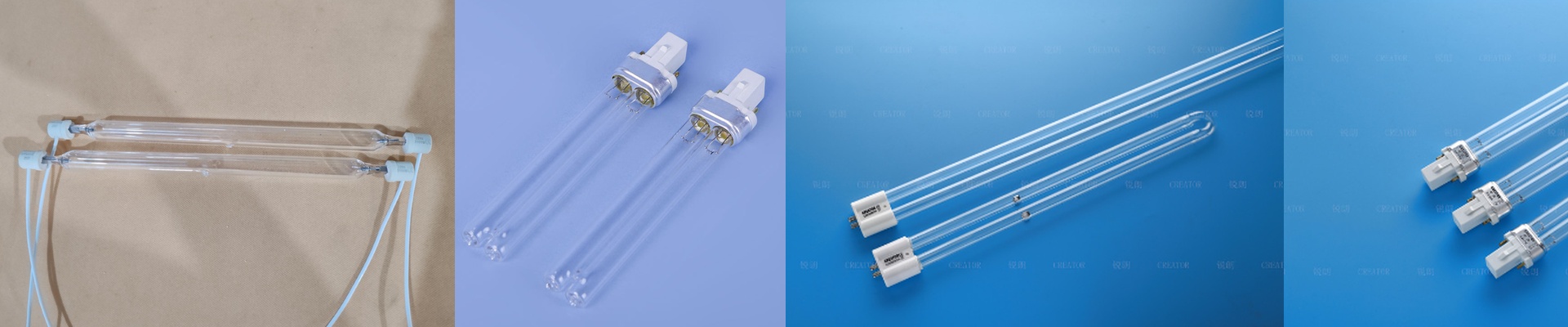
We use high-purity quartz glass because it lets the UV light through without fighting it. We also make sure the bulbs fit snugly into your reflectors. The tighter the fit, the more light hits the substrate. But here’s the catch:these bulbs get incredibly hot. Along with the UV, you’re dealing with a massive amount of infrared energy. If your cooling fans are dusty or your water-chilled jackets aren’t up to the task, you’re in trouble. I’ve seen way too many shops ignore the cooling side of things, only to wonder why they’re replacing lamps every few weeks. The bulbs just burn out, or worse, the ink starts to blister.
Getting it Right on the Line
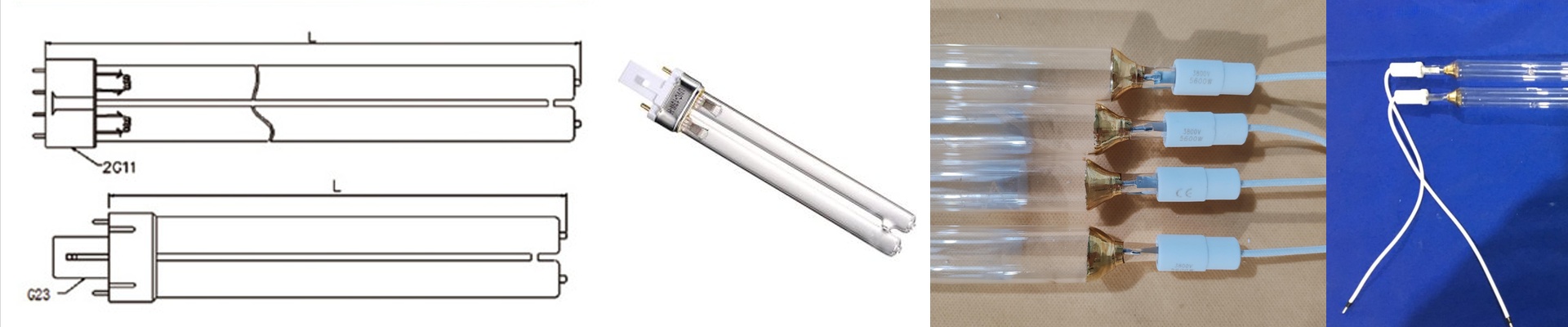
The good news is that these are drop-in replacements. They fit right into most standard systems. To actually get the performance you paid for, make sure your ballast settings match the lamp’s operating current exactly. Even a tiny slip in amperage can mess with the light output or kill the bulb’s lifespan. We’re all about stability here. When you’re wiring things up, double-check that the electrodes are seated firmly. If they’re loose, you’ll get arcing at the ends. That’s the number one reason tubes fail prematurely on high-speed lines. Get the fit tight, keep it cool, and it’ll just work.