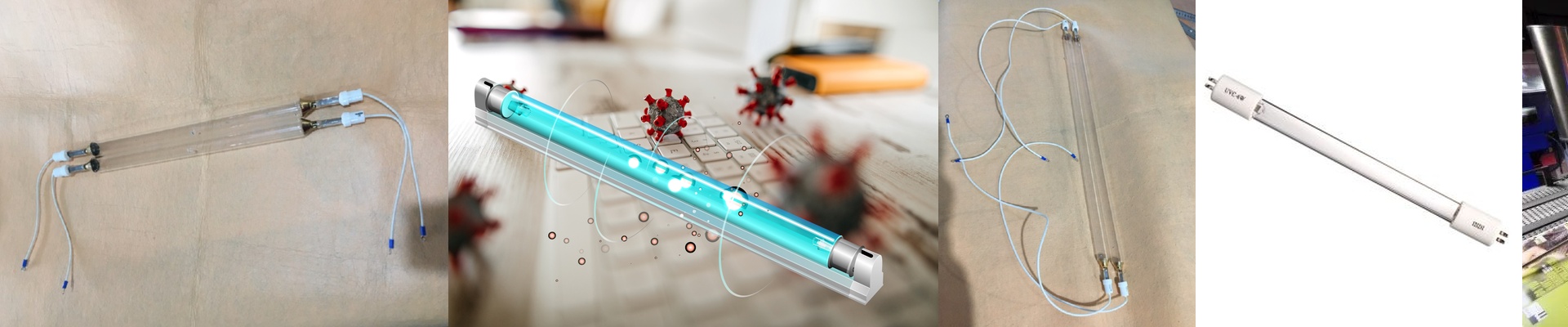
Let’s talk about the 120W/cm Mercury UV Lamp
When we build our standard mercury UV lamps, we aim for a power density of 120W per centimeter. Why that number? Because for most of you running industrial curing lines, speed is everything. You need to move product fast without sacrificing quality.
How the power actually works
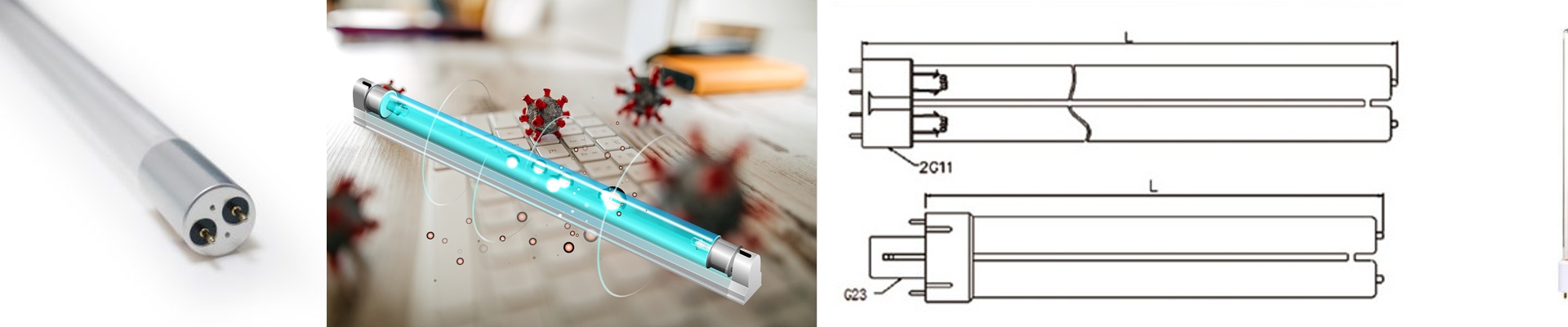
Think of that 120W/cm rating as how the energy is spread across the quartz tube. We do this so your UV dose hits the entire width of your material evenly. No dead zones. When you run a lamp at this level, you’re hitting your ink or coating with a concentrated blast of UVC and UVB wavelengths. That’s the “magic” moment where the photoinitiators kick in and your coating hardens instantly. But here is the tricky part: you have to get your conveyor speed just right. If you’re too slow, you’ll scorch the material. Too fast? Your ink stays tacky, and you’ve got a mess on your hands.
What’s inside the tube?
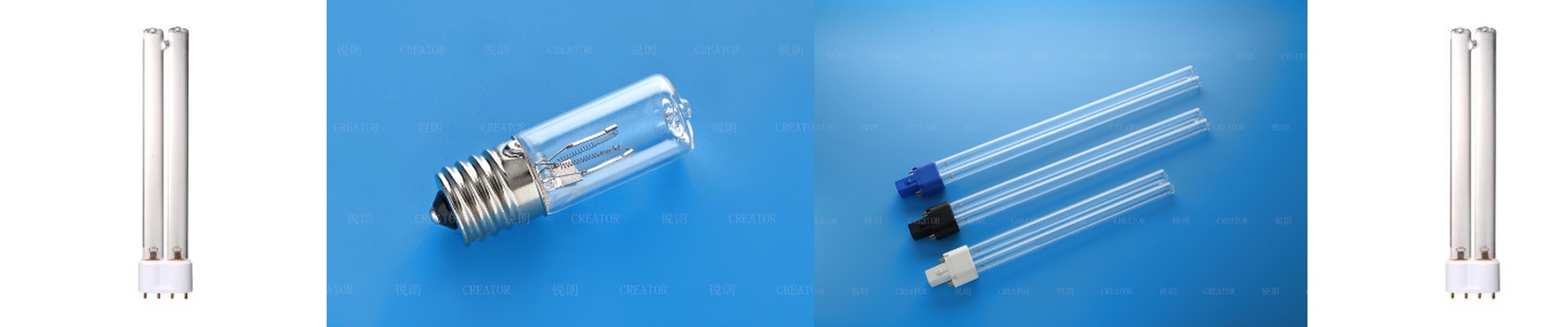
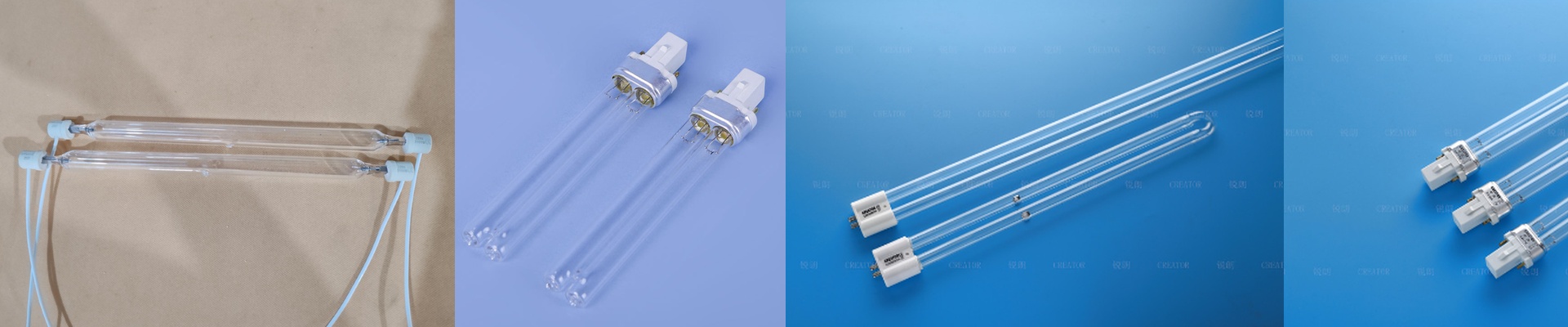
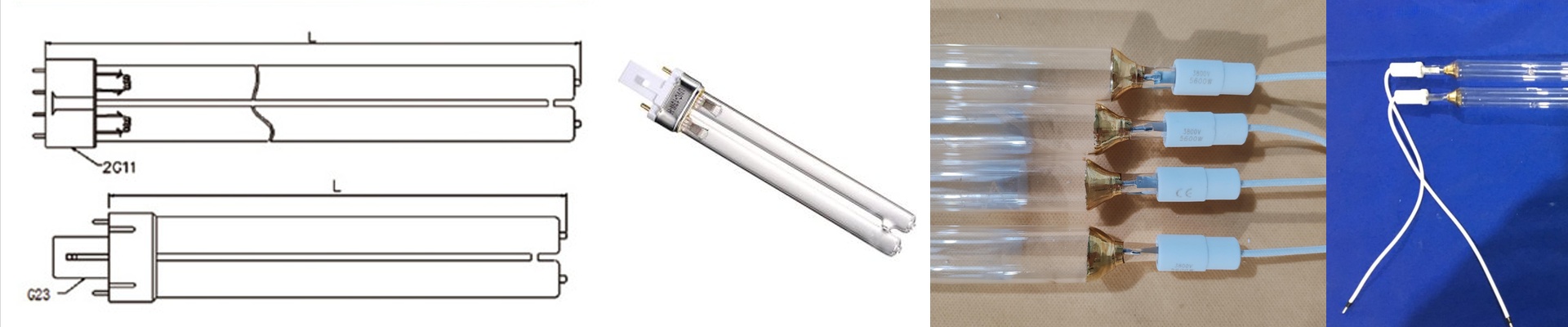
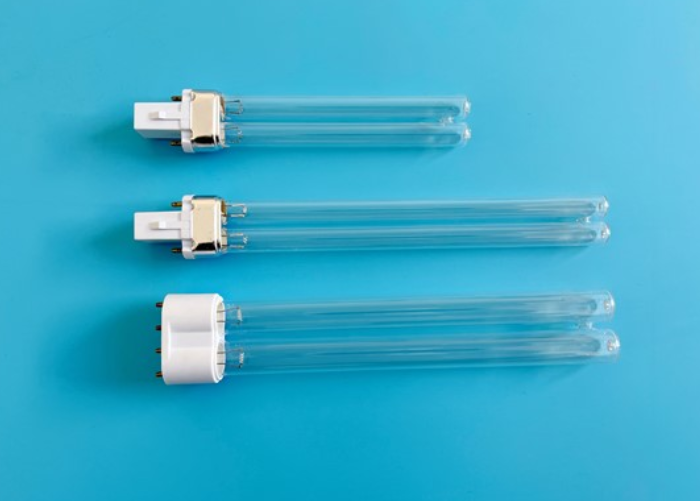
We use high-purity fused quartz for the outer shell. We do that because regular glass would just soak up the radiation. The quartz lets the short-wave UV fly right through. Inside, an electrical arc excites mercury vapor, turning electricity into those UV photons you need. Just a heads-up: these aren’t like the lightbulbs in your living room. You can’t just plug them into a wall socket. You’ll need a dedicated ballast to handle the strike voltage and keep the arc steady.
The heat factor
These lamps are beasts. They give you the raw energy needed for those mirror-like high-gloss finishes and rock-hard coatings. But there’s a catch:heat. A lot of that energy comes out as infrared radiation. If your cooling fans are weak or your chilled water jackets aren’t up to the task, things go south quickly. You’ll see PET films warping or bubbles popping up in your coatings. One pro tip? Check your reflector alignment every 500 hours. It only takes a minute, but it stops you from wasting energy and prevents those annoying hot spots from ruining your line.