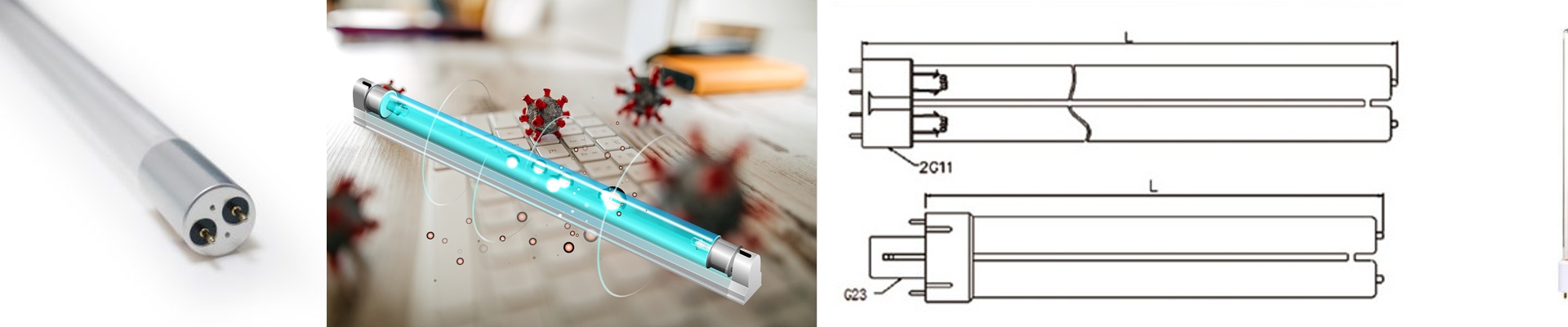
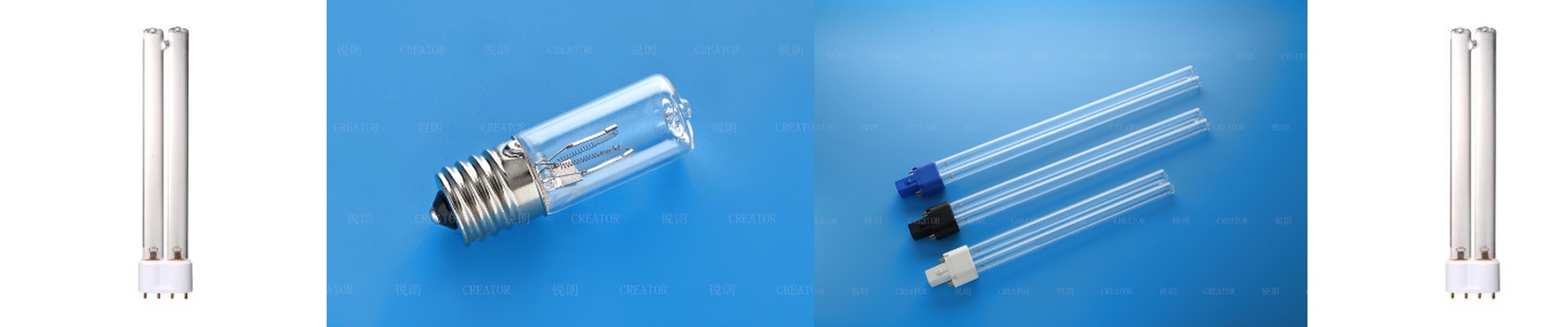
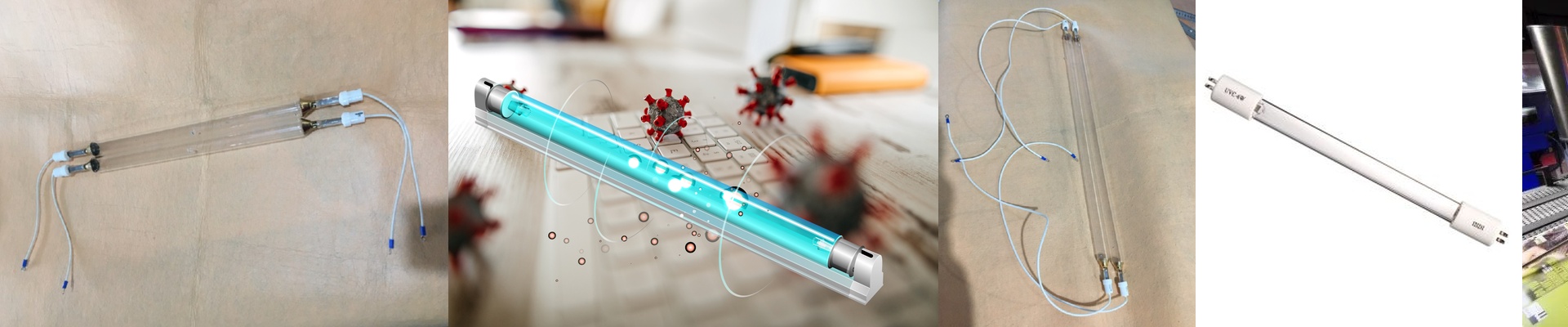
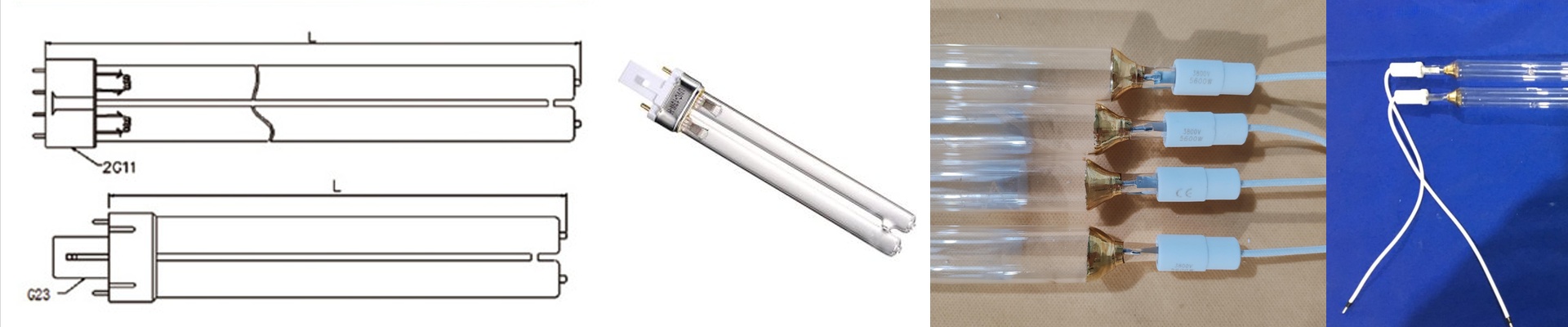
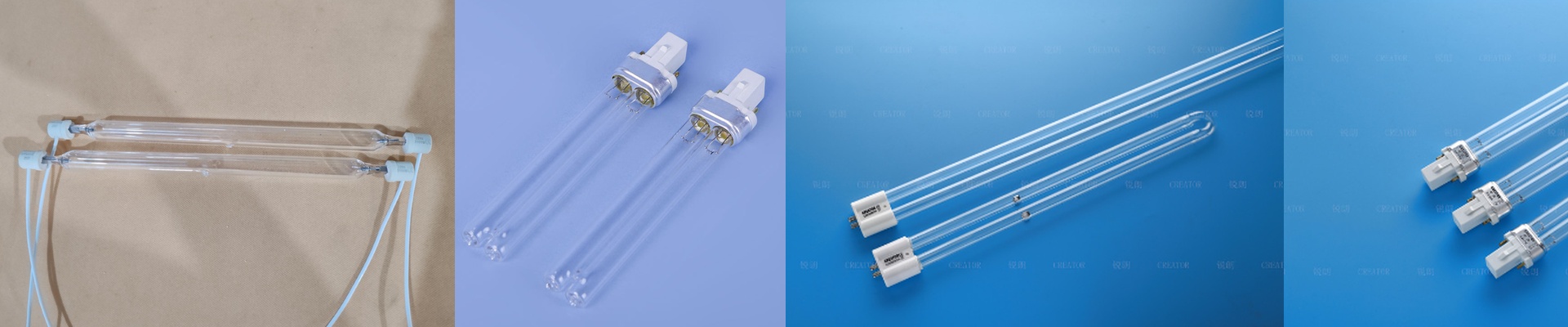
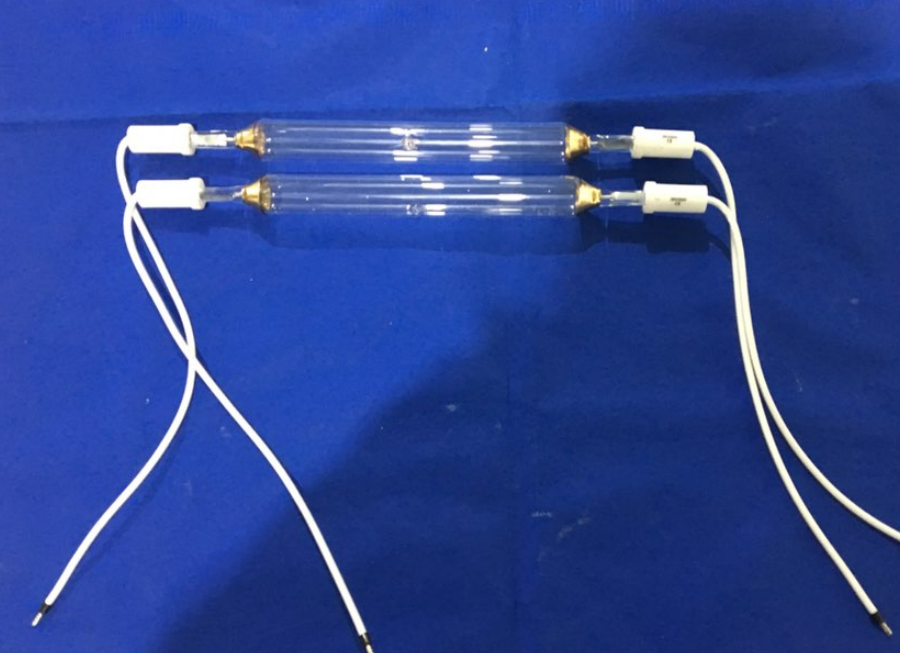
Seen those cracks after the first wash? The shirt looks sharp coming off the press, but a few cycles through the laundry and the print starts to fracture. In most garment shops, that failure comes down to one thing: not enough UV energy. The ink surface may feel dry, but the photoinitiators never got the full cross-linking they need. You got a surface cure, not a real cure. What actually matters under the hood We build mercury vapor lamps for UV ink drying with a stable spectral output centered at 365nm—the wavelength that drives photopolymer initiation in screen and flexo inks. Peak irradiance comes from a high-reflectivity dichroic reflector, not some generic polished surface. That puts the UV energy where it needs to be: on the substrate, not as heat. We size lamps by delivered energy density (mJ/cm²), not just wattage. A lamp that maintains 1,200 mJ/cm² across the full print width drives conversion deep into the ink layer, instead of just skin-curing it. And the output stays flat across the lamp life curve—less than 5% drop after 3,000 hours when you run within rated current and keep conditions ozone-free. Why this matters for apparel work Wash resistance is the whole game. Depth cure is what gives you adhesion and flex stability after repeated laundering. Our mercury lamps deliver the energy density needed to penetrate thick ink deposits on cotton, polyester blends, and coated substrates. The payoff is a fully polymerized print with consistent Cure-Dot readings, so you stop seeing post-wash cracking and color bleeding. You can run faster without sacrificing cure quality, and you cut rework caused by adhesion failures. The details that keep it honest Matching the lamp to the press isn’t optional. On offset, specify lamps with arc lengths and reflector profiles that match the sheet path and ink film thickness. On flexo, size the lamp to the print cylinder circumference and anilox volume so you don’t cook the polymer sleeves. On screen, use lamps that give uniform irradiance across the entire image area. And if you switch from ozone-rich to ozone-free configurations, expect curing speed to drop about 20–30%. Plan your line speed accordingly.