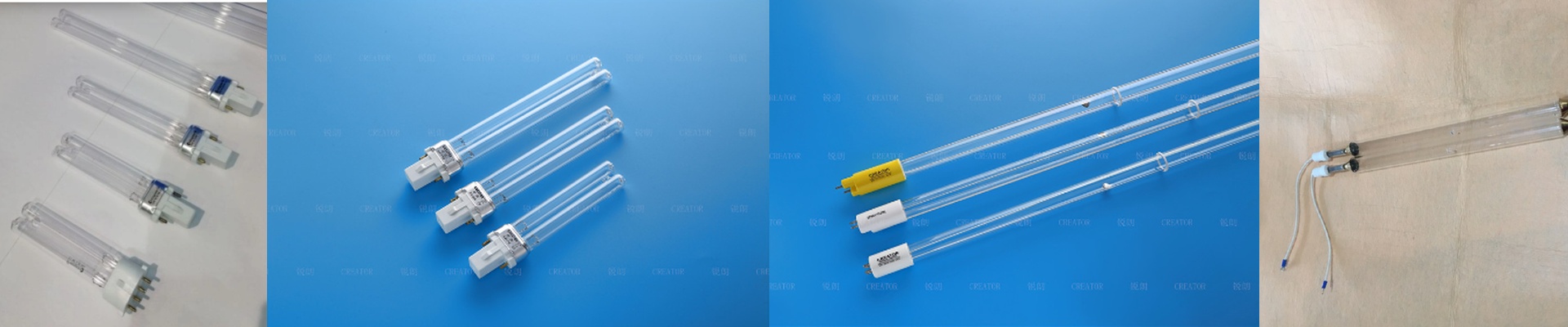
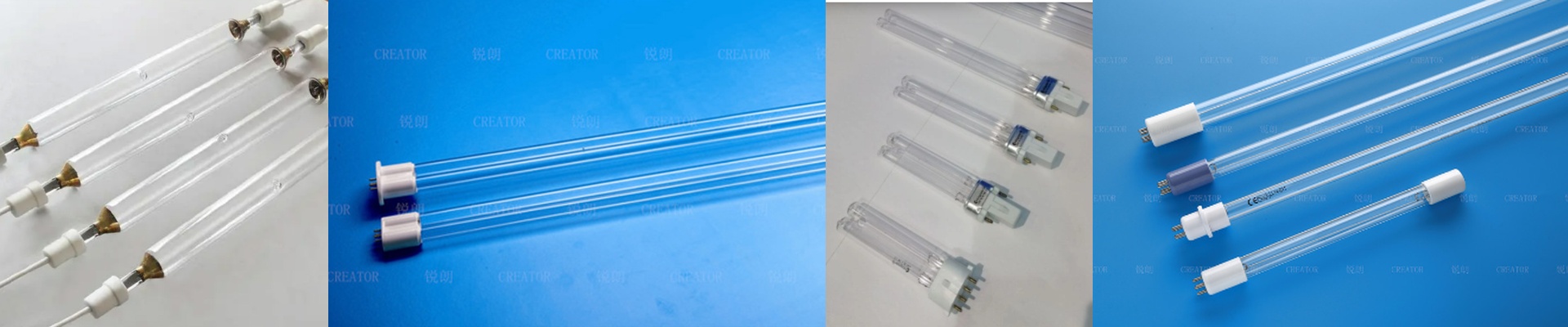
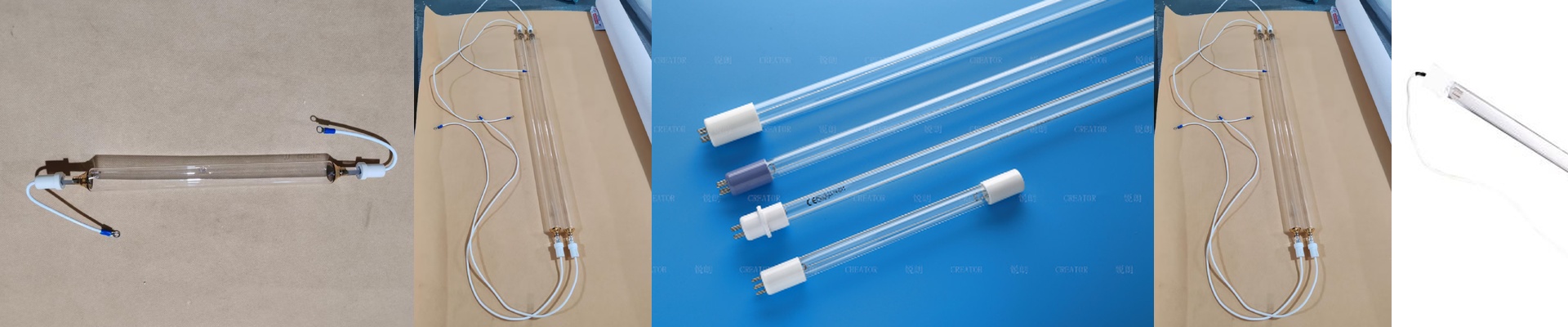
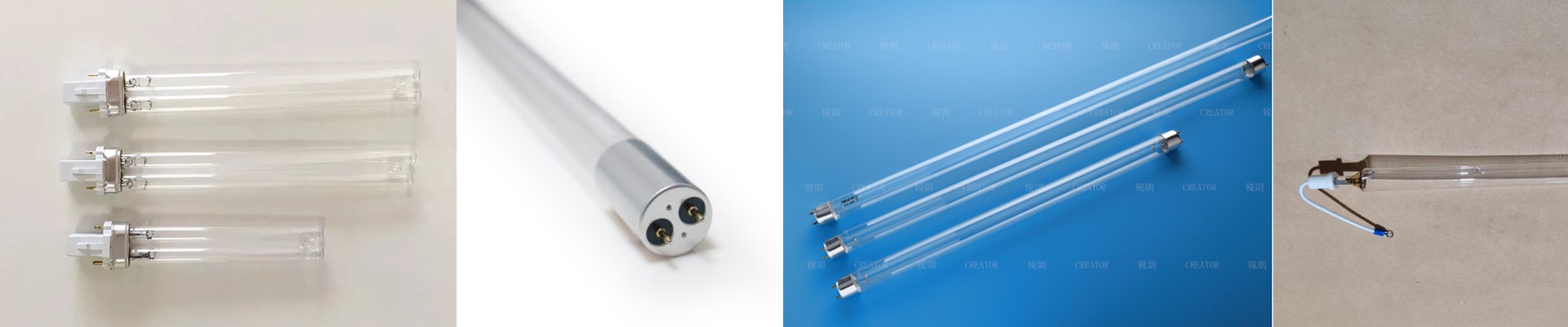
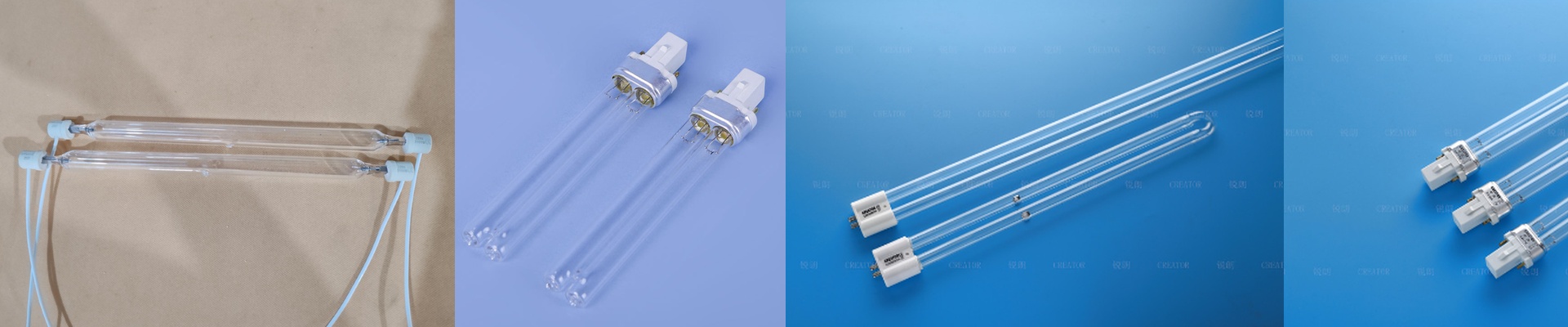
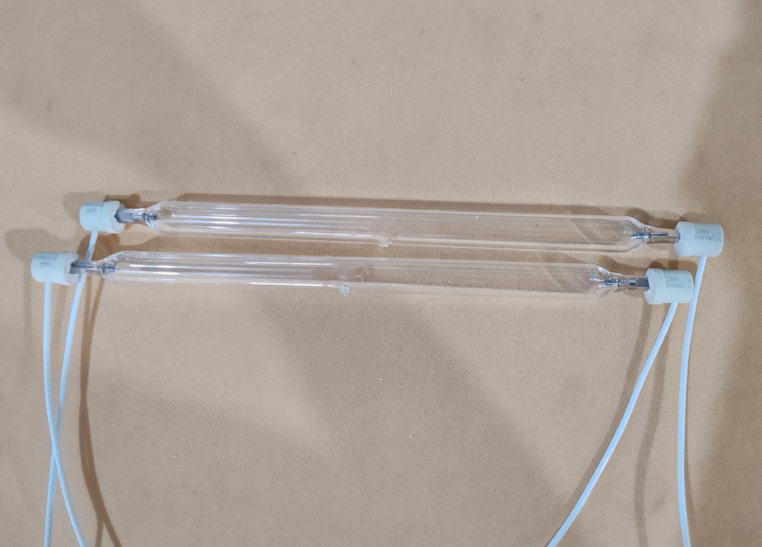
On heat-sensitive fabric lines, you know the drill with standard mercury lamps: scorch marks, shrinkage, and the fabric losing its shape. We built a high-output, germicidal UV lamp as a true cold-source setup, moving the energy balance so you cure the ink without dumping heat into the substrate. The heart of it is spectral control and keeping infrared off the substrate. We run a dominant 365 nm profile, matched to the photoinitiators in UV inks, and keep the heat down. Peak irradiance hits 1200 mW/cm² at the substrate plane, delivering a 600–900 mJ/cm² dose in a single pass. The reflector uses a dichroic coating to bounce UV forward and let IR pass backward, so the substrate sees a cold profile. Output stays stable for 3000 hours, with less than 8% drop in irradiance. Here’s why that matters on heat-sensitive fabrics: the heat stays out of the print. You keep the hand-feel, hold color accuracy, and protect registration, yet still cure at line speeds up to 80 m/min. Energy use drops compared with broad-spectrum systems, and you stretch lamp replacement intervals, which means less downtime. Installation comes down to the optical path. Position the lamp so the focal point hits the ink surface, not the fabric weave. Keep airflow across the lamp and reflector steady so the reflector temperature stays in spec; otherwise you’ll get output drift. Before you retrofit, confirm your printer’s curing module geometry and power supply compatibility.