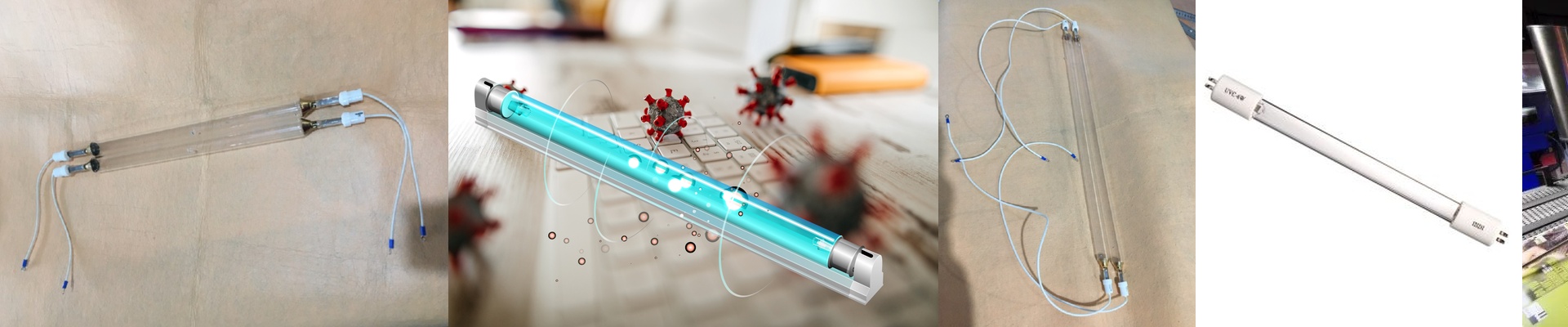
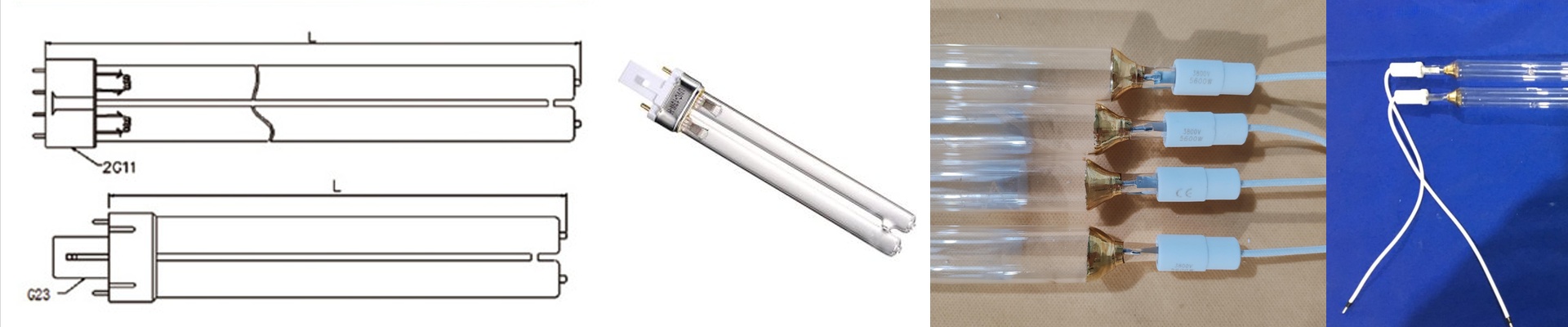
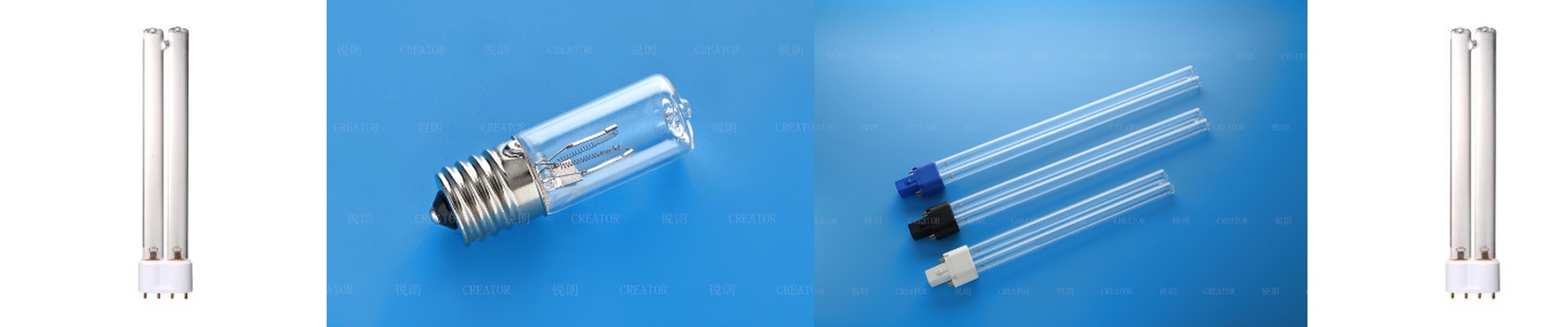
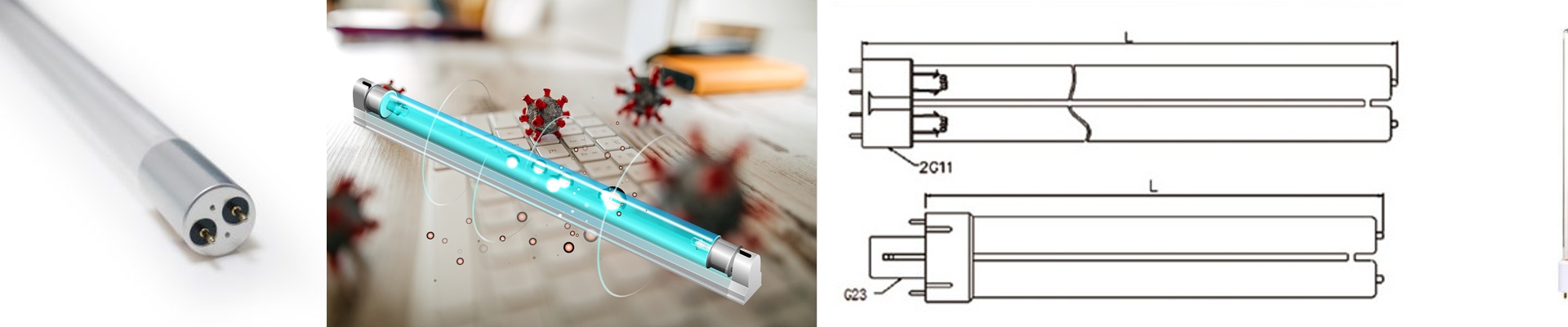
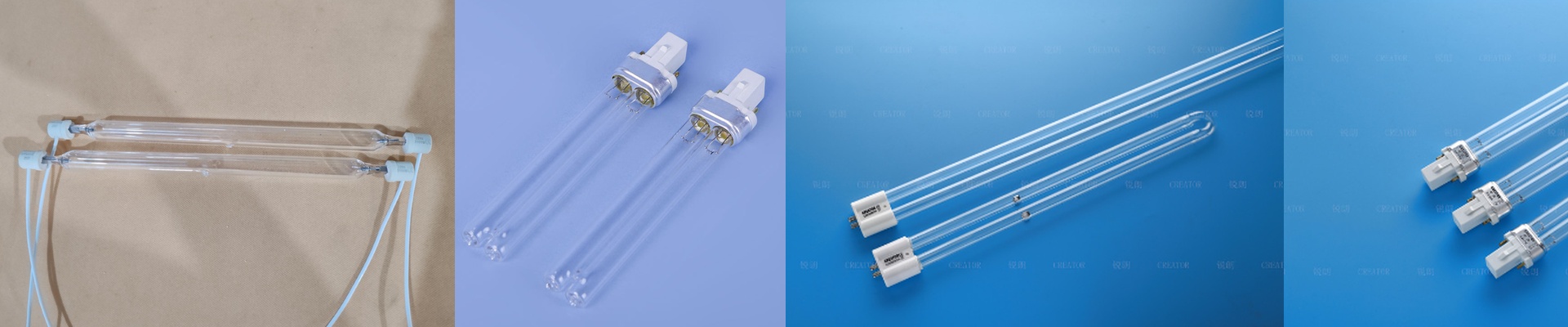
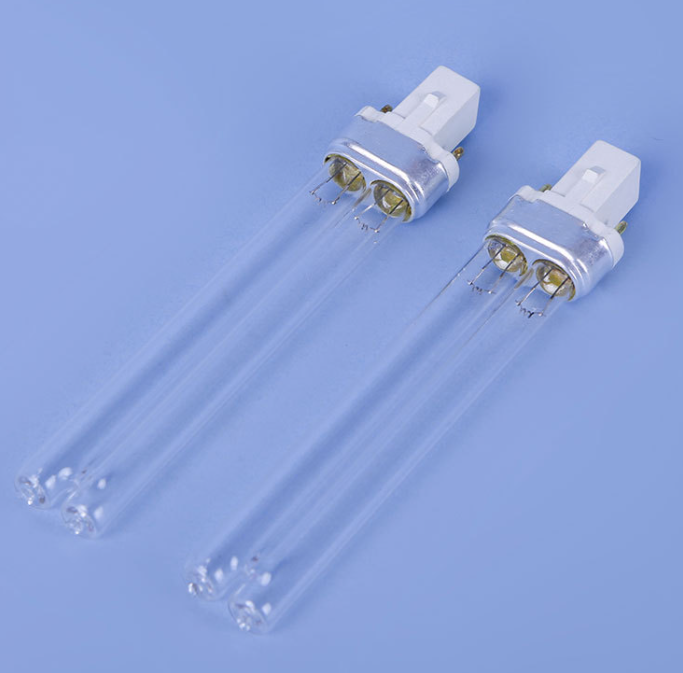
On the press floor, the UV lamp isn’t just another part—it’s the engine of the cure. When output starts to drift, you know it instantly: incomplete cross-linking, adhesion that fails on the substrate, and a growing pile of rejects that costs you. The usual reaction is to swap the lamp, but without hard numbers, you’re just guessing. Run a UV energy test strip against your gallium lamp, and suddenly guesswork turns into a repeatable maintenance routine.
What actually matters
A gallium-doped UV lamp is built around a specific spectral signature, typically centered on 365 nm, with controlled output in the 385–405 nm window depending on the photoinitiator chemistry in your ink or coating. Compared to standard high-pressure mercury vapor lamps, the gallium spectrum pushes more energy toward longer wavelengths. In many formulations, that improves surface cure while keeping adequate depth. Forget marketing claims—here are the numbers you can measure on your own floor:
- Peak irradiance at the substrate plane, read with a calibrated radiometer (mW/cm²).
- Delivered energy density per pass (mJ/cm²), worked out from irradiance and line speed.
- Spectral output stability over lamp life, tracked with periodic spectral radiometry. Gallium lamps are designed to hold a stable spectral profile for thousands of operating hours. In practice, that means photopolymer initiation stays consistent, surface tack-free times don’t swing wildly, and you stop chasing line-speed adjustments. Pair that with a reflector assembly that keeps its dichroic coating intact, and the system holds focus where it should—on the substrate—without wasting energy.
The simple routine that works
It plays out the same way every time: run, cure, measure, adjust. With a UV energy test strip, you can confirm in seconds whether the lamp is delivering the required dose. Put the strip at substrate level, under the active zone, for one pass at your normal line speed. Then match the color change (or degree of cure) against the reference scale. If the indicator shows under-cure, you’ve caught it early—before you see ink transfer problems, pinholes, or adhesion failures. Swapping an aging lamp for a gallium-optimized unit brings the spectral balance back to what the system was designed for. That isn’t a vague promise. It shows up as:
- A stable cure window across shifts, so makeready waste drops.
- Line-speed settings you can stick with, because lamp output isn’t drifting.
- Maintenance you can plan, because you’re tracking output decay instead of reacting to breakdowns. We build gallium replacement lamps to match the arc length, envelope dimensions, and electrical interface of your original equipment. That means correct terminations, the right quartz wall thickness, and ozone-free operation in air-cooled reflector setups. When the lamp and reflector are aligned to the original spec, the beam profile stays focused on the substrate, not bleeding onto the frame. When you compare performance, keep it to the operating metrics that matter:
- Light output stability: With a new gallium lamp, you should see tight variance in peak irradiance across its rated life—assuming the reflector stays clean and power delivery is steady.
- Lamp life: Gallium-doped lamps often last longer than standard mercury formulations under the same duty cycle, which cuts unplanned changeouts.
- Total cost of ownership: Fewer replacements, less downtime, and consistent curing drive down per-part curing cost. Energy use is mostly driven by driver and reflector efficiency, but stable output means fewer speed reductions and reruns.
What you need to get right
Installation is quick, but it doesn’t forgive shortcuts. Match the lamp orientation to the reflector markings, confirm the electrical connections match the socket and polarity, and verify cooling airflow meets the original design. A misaligned lamp moves the hot spot off the substrate, and even a small change in distance can drop delivered energy density fast. Compatibility isn’t universal. Gallium lamps are chosen for a specific spectral requirement tied to the ink or coating formulation. If you switch formulations—especially if the photoinitiator set changes—the optimal wavelength can shift. In those cases, you have to revisit the lamp choice, not assume it still fits. Here’s the other reality: reflector condition dominates system performance. A contaminated or oxidized reflector will eat output even with a brand-new lamp. Clean reflectors, aligned end-to-end, are non-negotiable. And while gallium lamps are ozone-free in typical air-cooled configurations, any system that runs hot enough to generate ozone needs proper ventilation and monitoring. Measure before you replace. Run the UV energy test strip, record the dose, and log the radiometer reading. After the change, repeat the same test in the same position at the same speed. The before-and-after numbers tell you whether the swap actually restored the system to spec. That’s how maintenance becomes a discipline, not a scramble.