Introduction
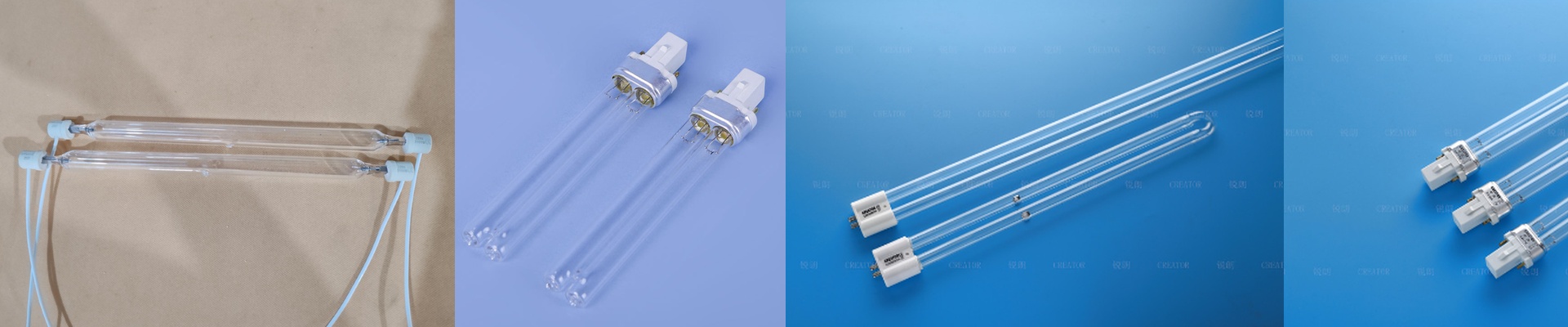
We make mercury UV lamps with one specific job in mind: curing varnish. And honestly, it’s not just about blasting out UV. It’s about making the lamp behave electrically the same way your industrial machine does. When the lamp and the driver are truly in step, the curing stays steady. No overheated parts. No wasted energy. Just a smooth, reliable process.
The Power, Voltage, and Size That Actually Matter
Varnish curing is picky—it needs the right amount of energy, no more, no less. Too little, and the coating stays tacky. Too much, and you risk stressing the material itself. So we tailor the voltage to match your driver. If your system has a particular open-circuit voltage or a specific ballast profile, we adjust the internal resistance and arc length to fit. And size? It’s not enough for the lamp to simply fit. It has to sit right inside the reflector and focus the UV exactly where the varnish line needs it.
Built to Last: Quartz, Coating, and the Right Connection
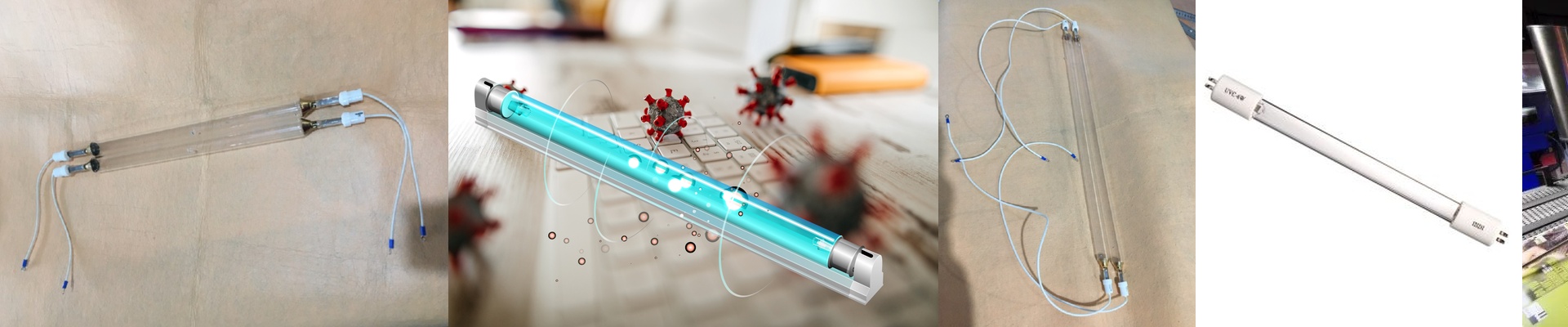
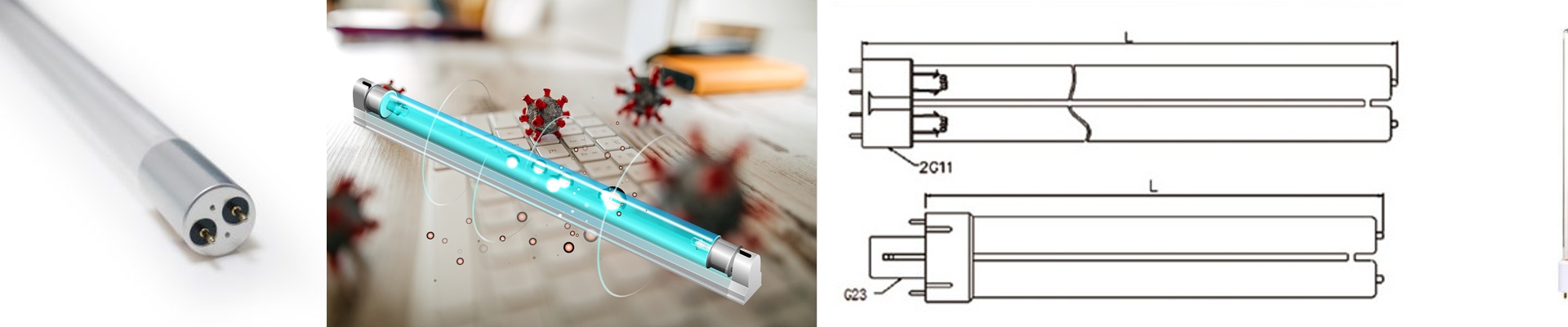
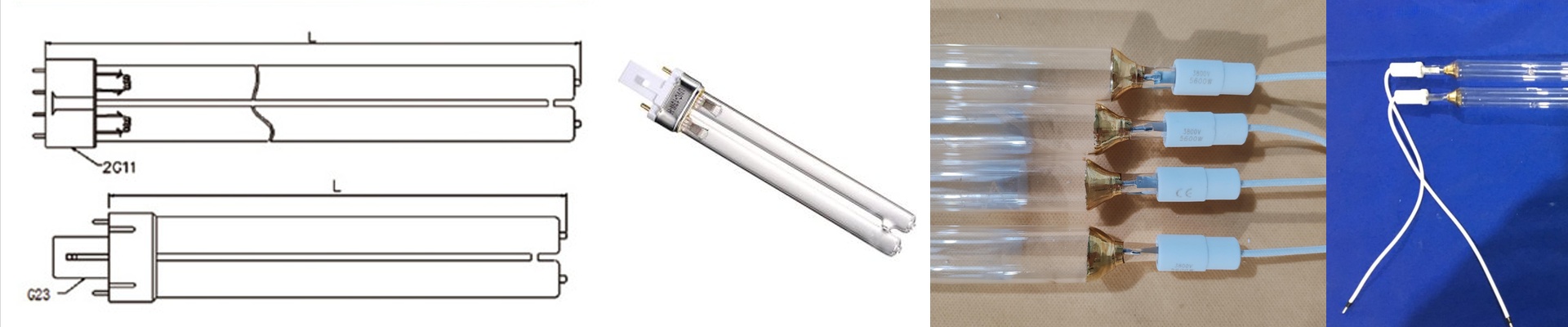
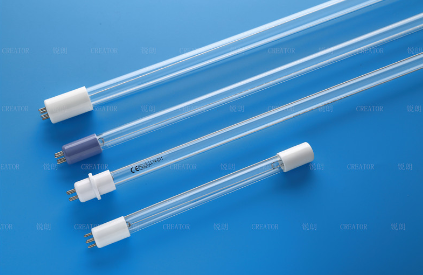
These lamps are made from quartz, because it transmits UV like a champ and handles sudden temperature shifts without cracking. Inside, the amalgam keeps output stable even when temperatures rise and fall—so your cure stays consistent from startup to a long, steady run. The outer coating on the quartz tube isn’t just a finish. It’s there to manage heat and shield the internals. On the shop floor, that means the lamp stays at a temperature that won’t stress nearby seals and wiring. And the electrical connection? We match what your fixture actually uses. If you need an R7s base, that’s what we give you. If you need a different terminal block or a custom lead length, we build it that way. It’s not about looks—it’s about keeping the lamp safe through vibration, heating and cooling cycles, and regular lamp changes, without arcing or loose contacts.
It’s About Fitting the Whole Line, Not Just the Tube
Varnish lines run at a set speed with a set power budget. We don’t treat the lamp as a random part—we treat it as a matched piece of the system. You wire it in, set the power, and it just repeats, shift after shift. Here’s the trade-off, though: higher power density cures faster, but it also needs real cooling and precise reflector alignment. If your machine can’t shed that heat, the lamp will run hotter than the system can handle. So we design from your machine’s power curve. That way, the lamp delivers the intensity you need without pushing your cooling past its limit. When you choose a mercury UV lamp for varnish curing, you’re not just buying a replacement tube. You’re buying compatibility with the whole line.