Picking the Right UV Lamp for Your Resin Art—Let’s Keep It Real
We built our UV curing lamps for one reason: to give you the steady, high-powered light that turns liquid resin into a finish you can trust. That glow is the heartbeat of every smooth coat and crisp print. We care about consistency because your process deserves it—from the very first layer to the final cure.
Power, Voltage, Size: The Practical Stuff
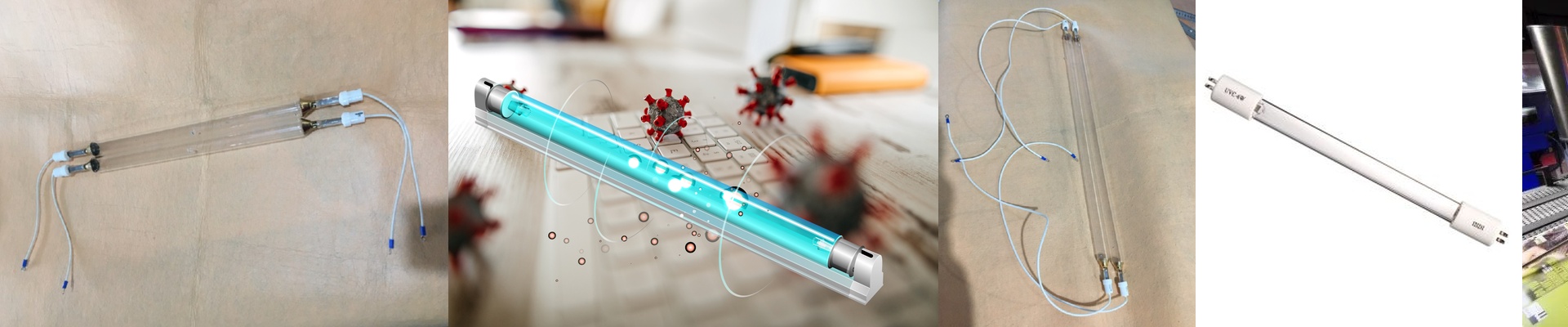
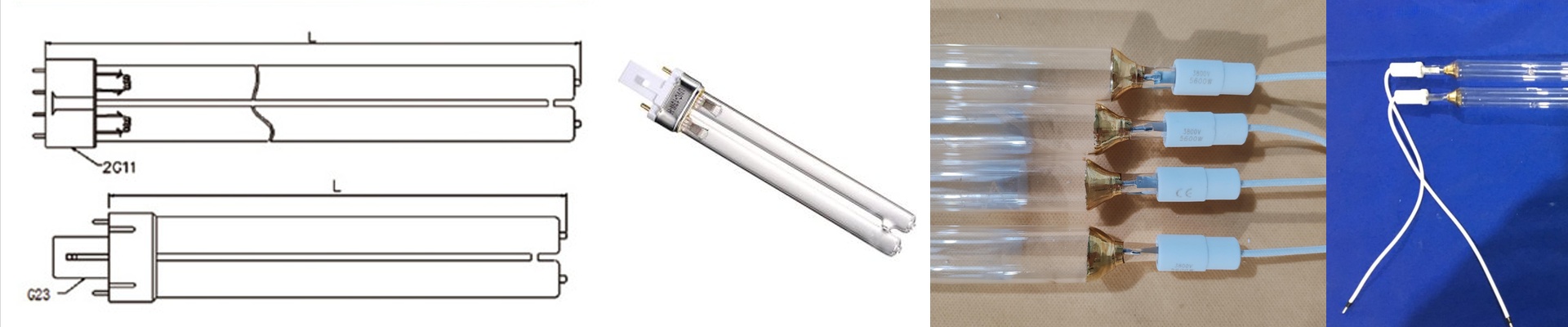
Our lamps run on a halogen UV source, and the workhorse setup is 2500W at 400V. That kind of punch delivers the photon density needed to cure resin fast, so you spend less time waiting and more time creating. The tube is 300mm long—just long enough to cover a standard work area without taking over your bench. Here’s the thing about a 400V, 2500W configuration: it packs a lot of energy into a small space. That means the fixture has to handle the current, and the electronics around it need solid insulation and cooling. And yes, these lamps run hot by design. Heat is simply part of the deal when you’re throwing that much UV intensity.
What’s Inside: Halogen, Quartz, and the R7s Connection
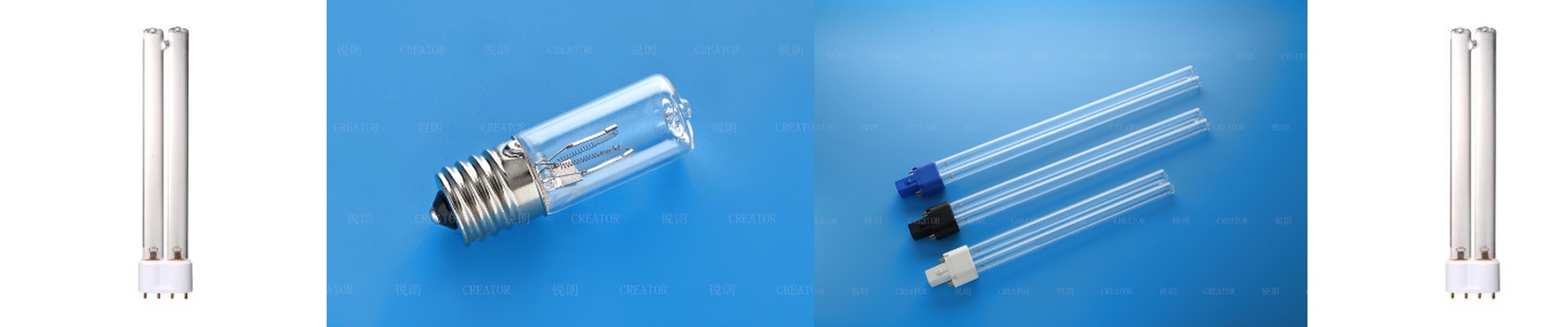
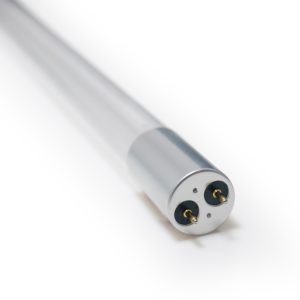
At the core, you’ve got a halogen UV bulb nestled inside a quartz sleeve. Quartz handles the shock of switching on and off without blinking, and it stays steady at transmitting UV. A special coating on the tube helps focus the spectrum, aiming at the wavelengths that cure resin best while cutting down the infrared that can warp the surface. Then there’s the R7s connector. It’s a practical choice for this size, built to handle high heat and repeated swaps. It makes wiring simple—just pop the lamp into a standard R7s socket. No rewiring the whole fixture. Just swap and go.
Why This Matters for Resin Art
When you’re working with resin, you need results you can count on, batch after batch. A halogen UV source comes up to full power quickly, so your cure profile stays consistent. No waiting around. No guesswork. The 300mm length gives you a predictable curing zone, which makes planning your setup way easier. Now, the trade-off: high intensity means you need to manage heat. If your enclosure is tight, plan for airflow and give the lamp some breathing room. We build with that reality in mind, so the lamp performs on the bench and keeps up with day-to-day use.