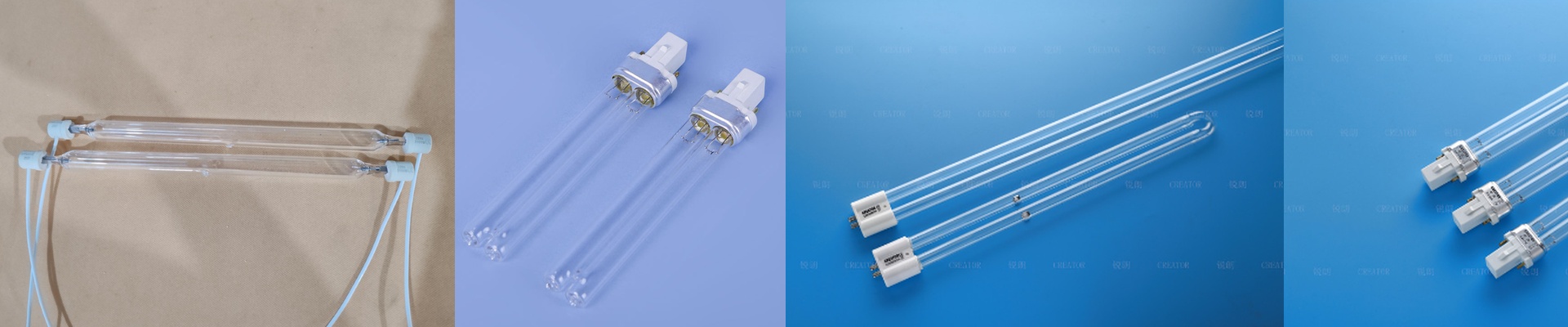
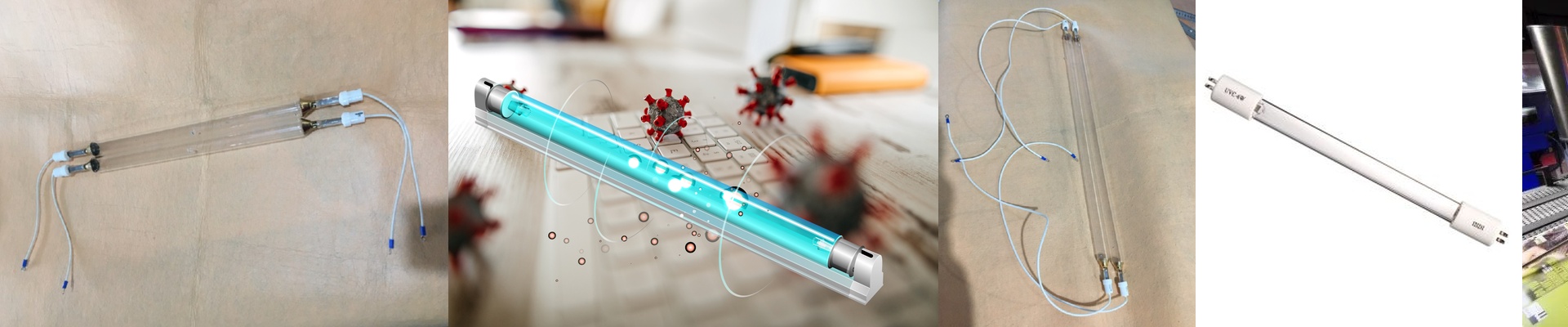
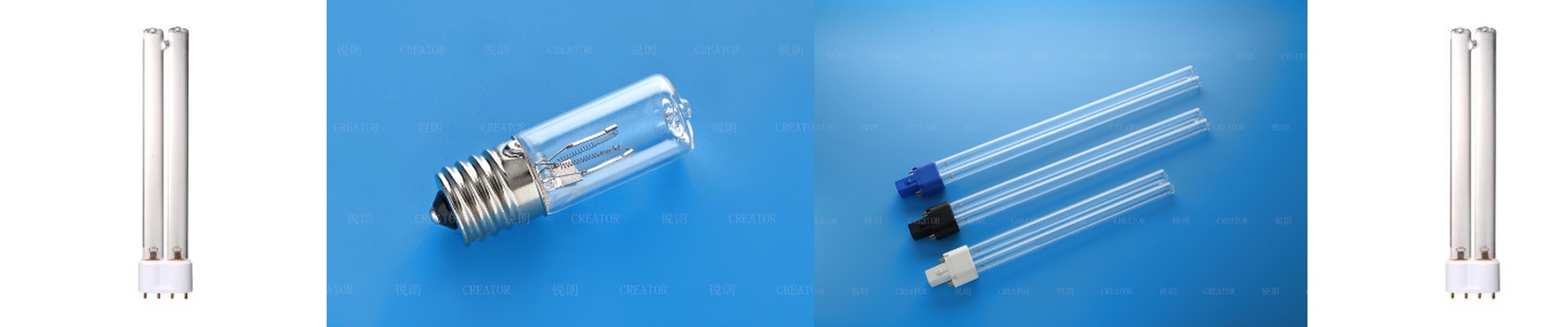
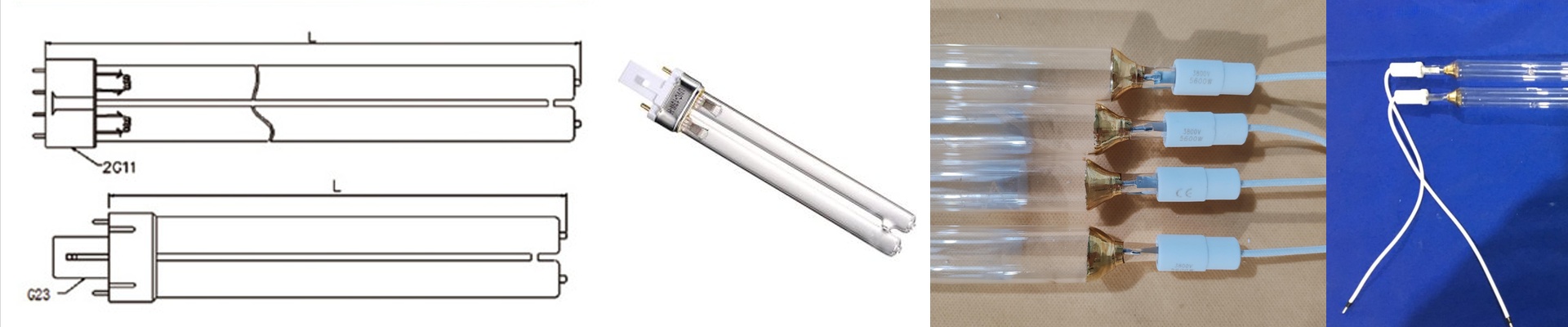
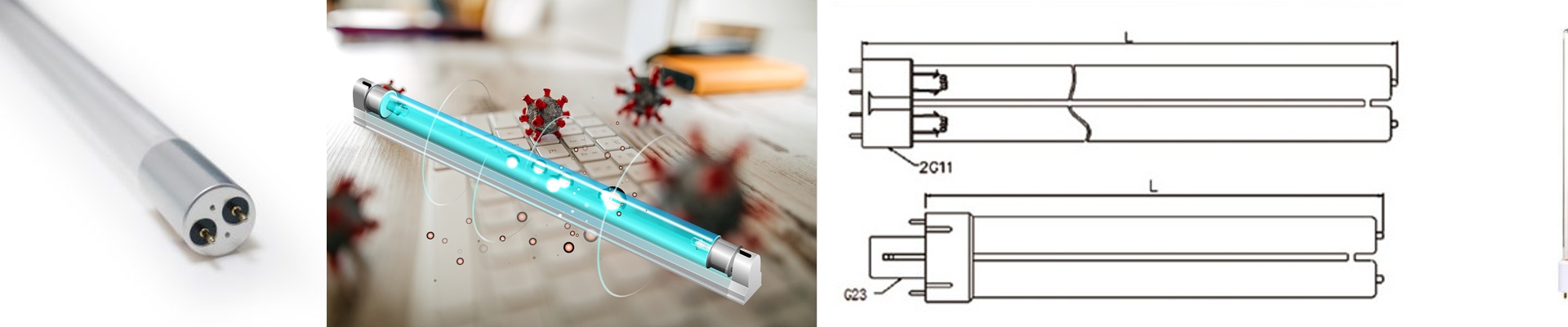
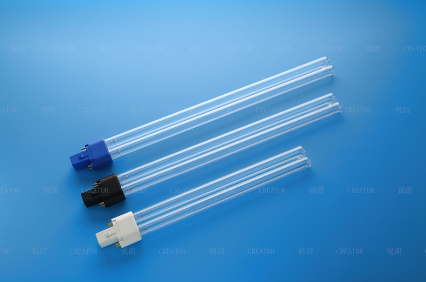
You can feel it on the floor—the old press is still turning, but it’s fighting itself. Queue times stretch. Makereadies loop. And when the curing window gets tight, the rejects start slipping through. The original UV setup has simply aged out. Output has drifted. Hot spots show up. Reflector efficiency has fallen off. What looks like a machine issue is really a curing issue wearing a press badge. We built our custom UV lamp kits for exactly this reality—to pull older offset, flexo, and screen lines back to a stable cure without scrapping the press. No gadgetry. Just recoverable throughput, repeatable cure, and maintenance you can plan around.
What actually matters on the technical side
In UV curing, performance isn’t a pitch. It’s spectral output, irradiance, and delivered energy. Our lamp systems are built around high-pressure mercury vapor sources, with strong output lines at 365 nm, 385 nm, and 405 nm. That spectrum matches the photoinitiator absorption profiles you see in most commercial and industrial inks and coatings. Spectral consistency matters because ink films cure top-down. Weak short-wave UV leaves the surface undercured, and you get residual tack. When the spectral balance drifts, you end up slowing the press just to chase enough energy. We specify the lamps to hold tight spectral stability across the arc length, so the substrate sees the same spectral signature job after job. Peak irradiance and energy density are what translate into press speed. We target a stable dose window—measured in mJ/cm²—enough to drive cross-linking at your running speed, without over-curing that can make the ink brittle or hurt adhesion. Reflector geometry and dichroic coatings are tuned to preserve usable UV while controlling IR, so you get more curing energy per watt and less heat load on the substrate. Long life and low decay aren’t optional in production. The lamps are engineered for long arc life with controlled electrode wear, and they’re specified to hold output within tight tolerances over thousands of hours. In many running conditions, a 5% output drop after 5,000 hours is a practical target—meaning less drift between PM cycles and fewer surprises when you’re verifying color and cure.
Why this works on older presses
Older presses were designed around a specific curing envelope. When lamp output declines, the control system can’t magically create UV. So you slow down, run narrower webs, or tolerate inconsistent cure across the sheet. Our retrofit approach flips that constraint back the right way: restore the intended UV dose. You get speed headroom back. With restored peak irradiance and stable spectral output, the cure finishes faster, so the press can run at the speeds the mechanics will support. Makeready drops because the cure profile is repeatable from the first sheet. Rejects fall because the lamp isn’t introducing variability—no localized under-cure, no drift that makes operators chase ink formulations. Energy use improves because the system converts more input power into usable UV. Better reflector efficiency and coating control cut wasted IR and stray heat, which otherwise forces you to back off power to protect the substrate—then slow down to compensate. Downtime drops because the lamp and reflector package is built for predictable service intervals. Instead of emergency lamp changes and unplanned reflector cleaning, you run to a planned schedule. That kind of predictability turns a maintenance interruption into a simple swap.
The practical details you can’t skip
Retrofitting an aging press is straightforward, but it’s not plug-and-play unless you treat it as a system integration. Here’s the thing: match the lamp to the cure window, not to a label. Confirm your ink system’s photoinitiator sensitivity and the dose required at line speed. Then size the lamp and reflector to deliver that dose with margin—no guesswork. And verify electrical compatibility. Ballast and igniter requirements have to line up with the lamp’s arc characteristics. Mismatched drivers will shorten lamp life and distort spectral output. Manage heat and ozone. UV systems generate heat, and older machines often have less thermal margin. Make sure airflow and shielding are adequate. Use ozone-free or low-ozone configurations where ventilation is tight, and keep exhaust paths clear. Then lock in the lamp-to-substrate distance. Dose changes fast with gap. Set it once, document it, and treat it as a machine setting—like impression pressure. If you’re running an older press, you don’t need a new press to recover the productivity you lost. You need a lamp system that delivers stable UV energy, day after day, at the speed the machine can actually handle. That’s exactly what our retrofit UV lamps are built to do.