Introduction
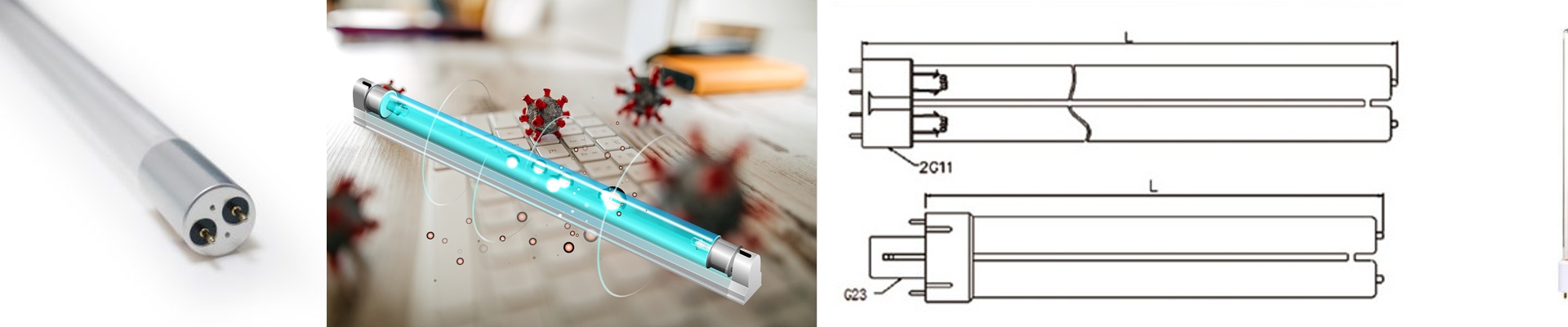
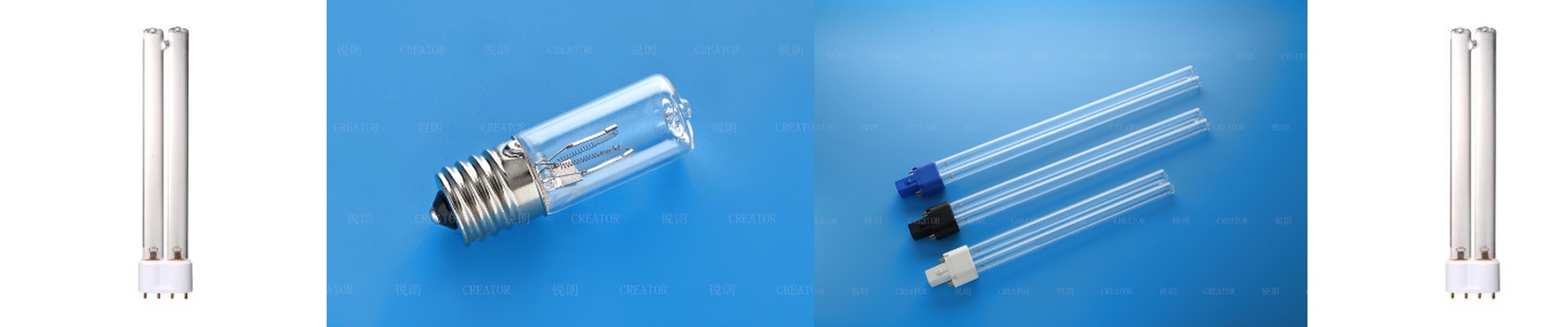
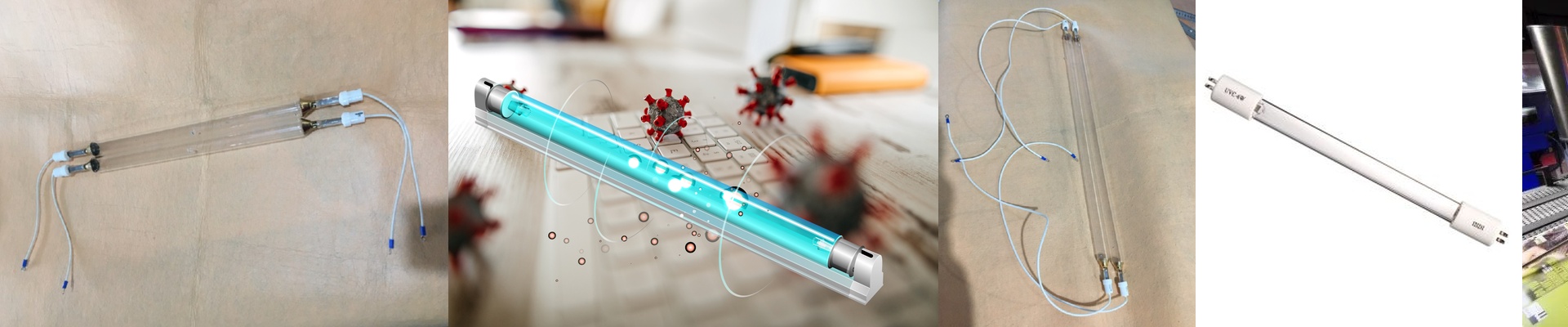
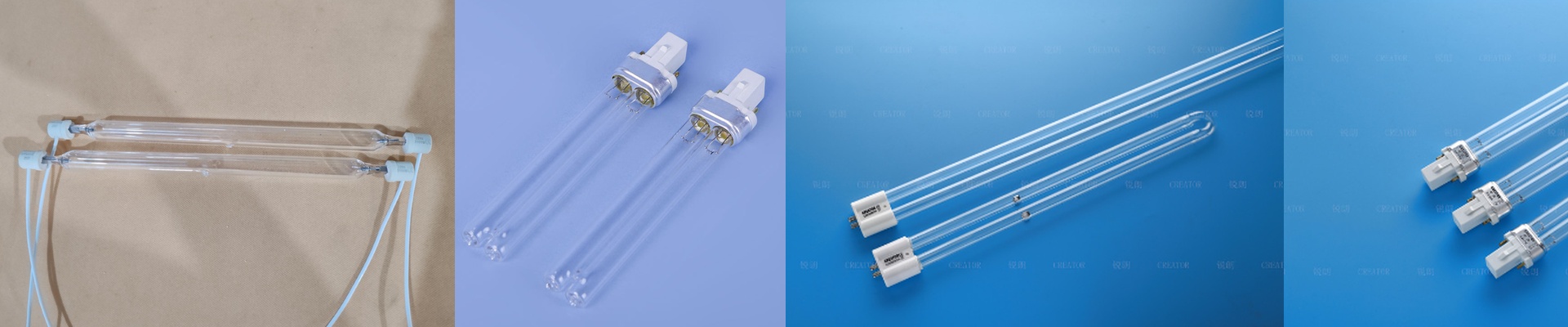
We built this Safe UVC Germicidal Lamp for offices because pathogen control can’t feel like a guessing game. This isn’t a general-purpose UV unit. It’s a sealed-quartz system designed to deliver strong, controlled 254nm output for disinfection—while staying practical for the people who actually have to install and maintain it.
Technical Deep-Dive
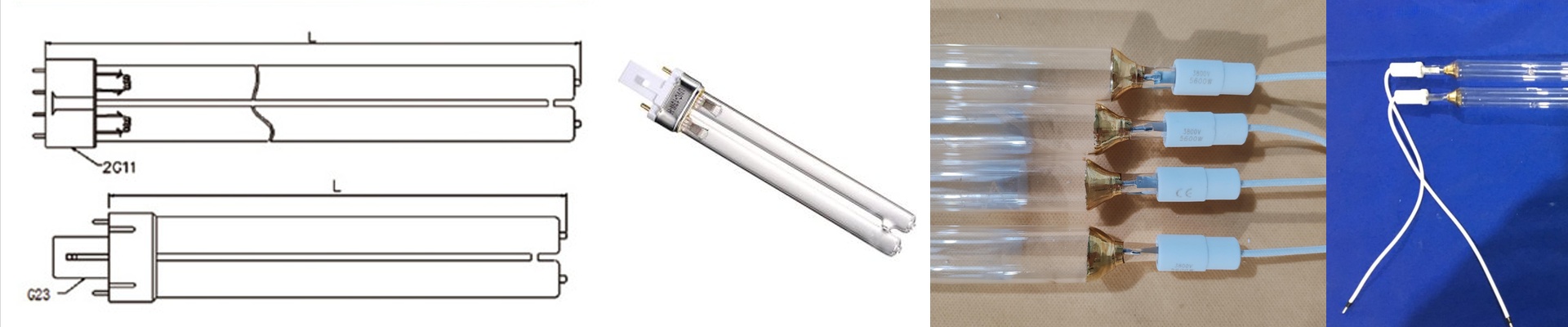
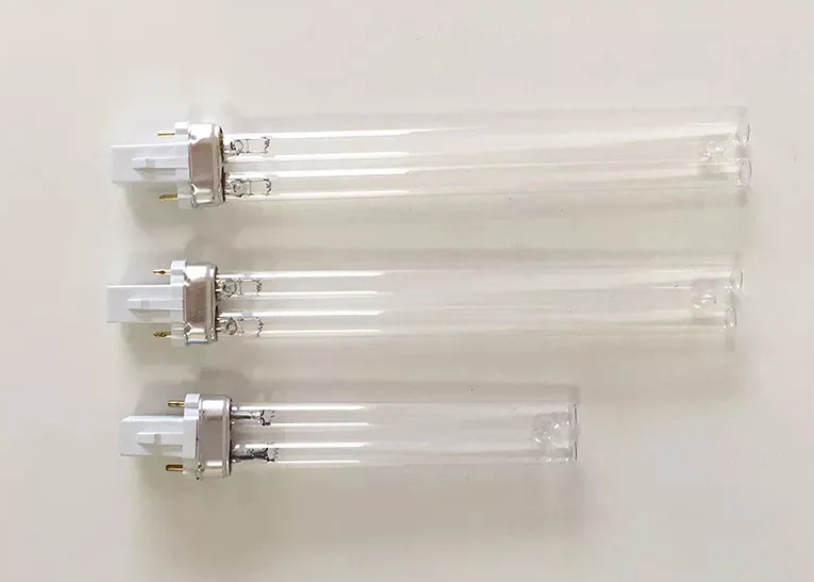
Here’s the heart of it: a high-intensity UVC source sized for real office spaces—desks, lobbies, restrooms, shared equipment. The goal is fast disinfection, so you’re not waiting around for long dwell times. But intensity comes with a price. It needs stable electrical input and a ballast that can keep up. So we paired the tube with an R7s base. Why? Because it’s a proven, compact, two-pin standard that holds alignment and keeps consistent contact—even with vibration and repeated lamp swaps. The geometry fits standard fixture housings, so swapping lamps doesn’t mean rewiring or modifying brackets.
Material & Design
The lamp body is fused quartz, chosen for strong UV transmission and resistance to thermal shock. That matters when the lamp cycles on and off as part of a daily cleaning routine. Inside, the fill gas and electrode design are tuned for reliable ignition and steady output over the life of the lamp. The outer jacket and end caps form a sealed envelope to contain the UVC and prevent ozone. For office safety, it’s meant to run inside engineered fixtures with shielding and interlocks. And the R7s interface keeps the lamp seated solidly, which helps reduce hot spots and end-of-life failures caused by poor contact.
Application & Benefits
In an office, you want disinfection that’s repeatable and doesn’t demand constant attention. Mounted in the right fixture—over desks, in break rooms, near high-touch points—this lamp delivers fast surface-level pathogen reduction. And because of the R7s base, it’s a drop-in replacement in many existing housings, which means quicker service calls. Now, the trade-off: heat. High-intensity UVC creates localized heat at the tube and in the fixture. So your fixture needs proper ventilation and thermal management. Without that, output can drift and component life can shrink. Plan for airflow and spacing, and the system will run reliably, shift after shift.