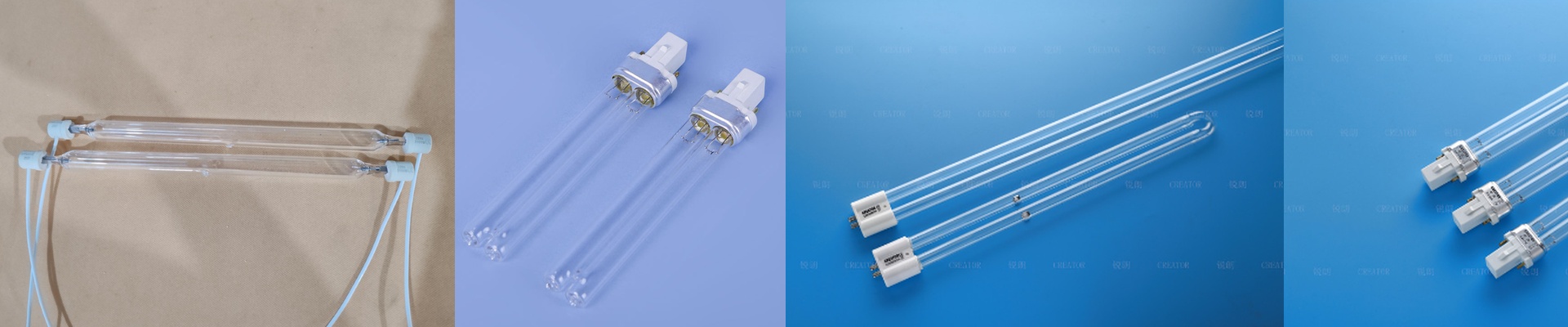
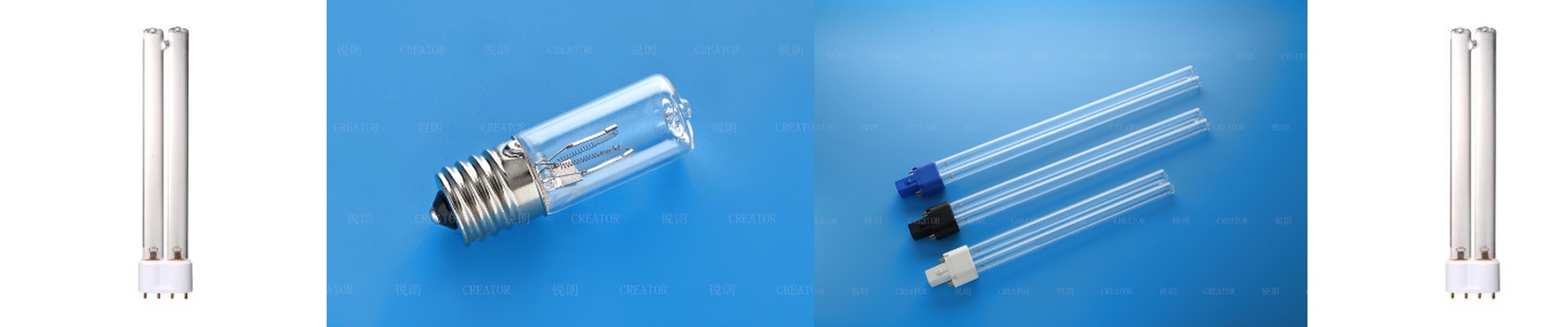
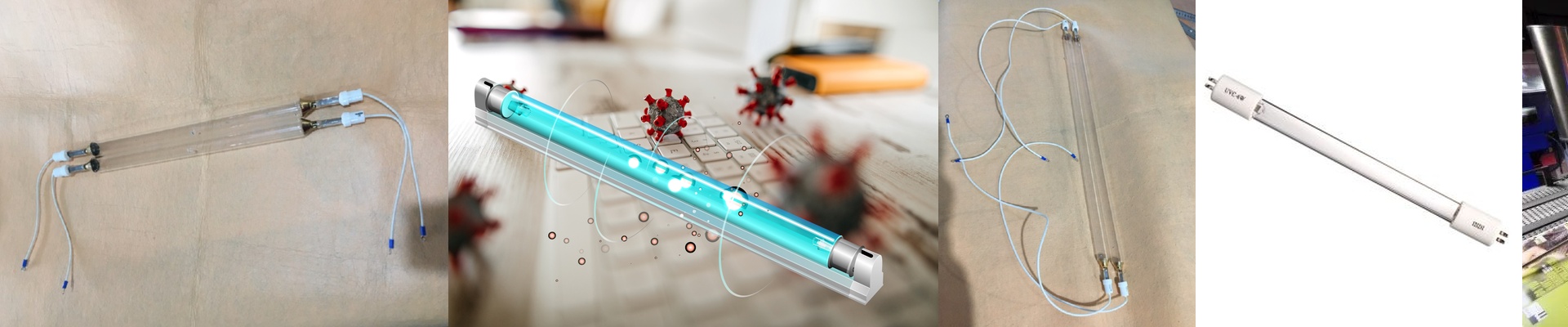
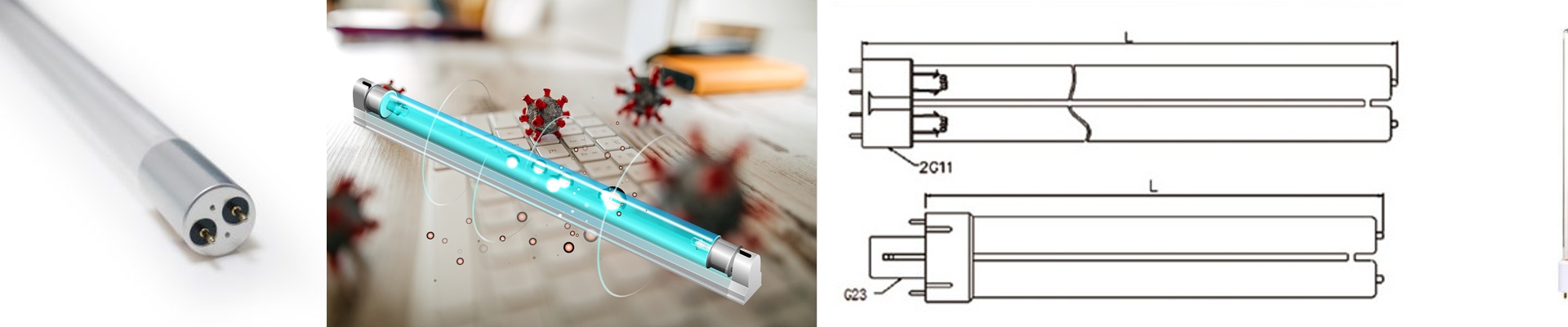
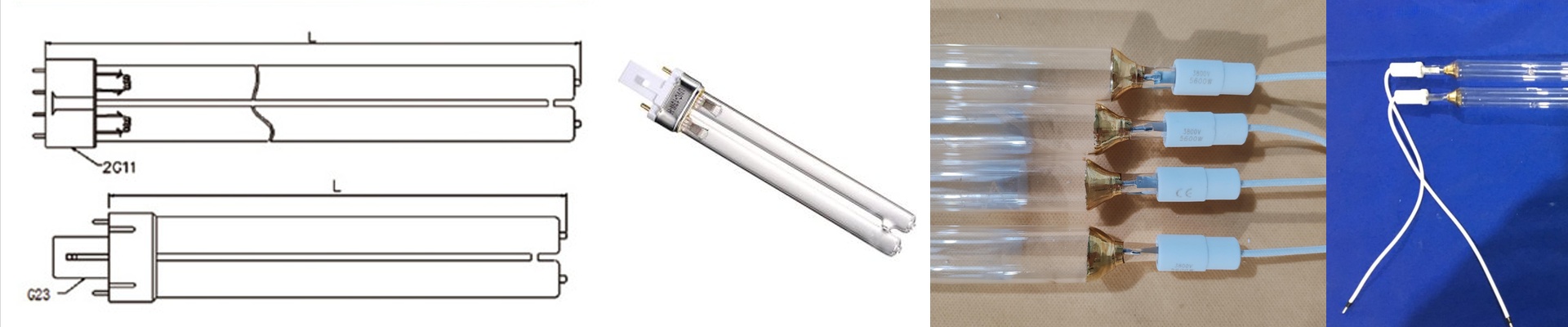
On the shop floor, metal and glass jobs aren’t optional—they’re the work that keeps the doors open. When the ink won’t stick, you don’t just lose a job. You lose the customer’s trust. Standard UV lamps can handle paper and plastic, but they choke on dense, low-porosity substrates where adhesion is all or nothing. What matters under the hood We built this lamp around a high-output amalgam UVC source, tuned for sustained peak irradiance—not a flash that collapses the moment you run it hard. The spectral output is concentrated where the photoinitiators in thick-film inks actually respond, so intensity stays consistent across the cure window. A dichroic-coated reflector keeps the energy directional, cutting wasted heat and stacking the energy density right where it counts: at the substrate surface. This isn’t about brightness. It’s about repeatable, measurable energy delivery—mJ/cm² you can log and stand behind. Why it works on metal and glass Those substrates demand extreme cross-linking. Adhesion fails when the surface doesn’t get enough photon density, leaving uncured oligomers that never bond. This lamp delivers the high-intensity UVC needed to drive full polymerization through the ink layer, even through tough coatings and heavy pigments. The payoff is adhesion that survives downstream—cutting, bending, finishing—without edge lift or micro-cracking. You can run faster because the cure window is wider, not because you’re cutting corners. The details that keep it honest High output means serious heat. Match the lamp to your fixture’s cooling capacity, and make sure the power supply holds stable current as the amalgam comes up to temperature. The lamp is ozone-free, but you still need proper shielding and reflector alignment—misalignment scatters energy and erodes adhesion. Verify spectral compatibility with your ink’s photoinitiator package; peak output only matters if it matches the absorption profile. Plan calibration intervals to keep output consistent over the life of the lamp.