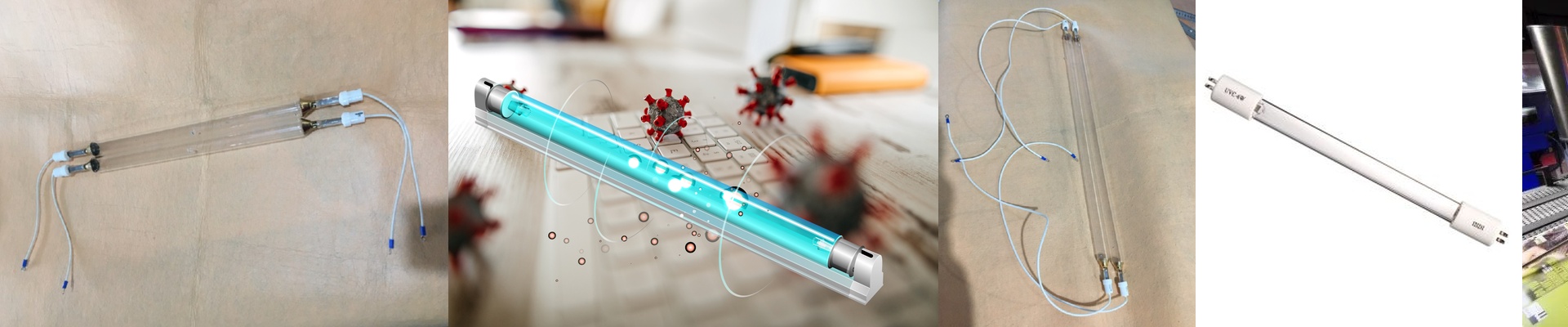
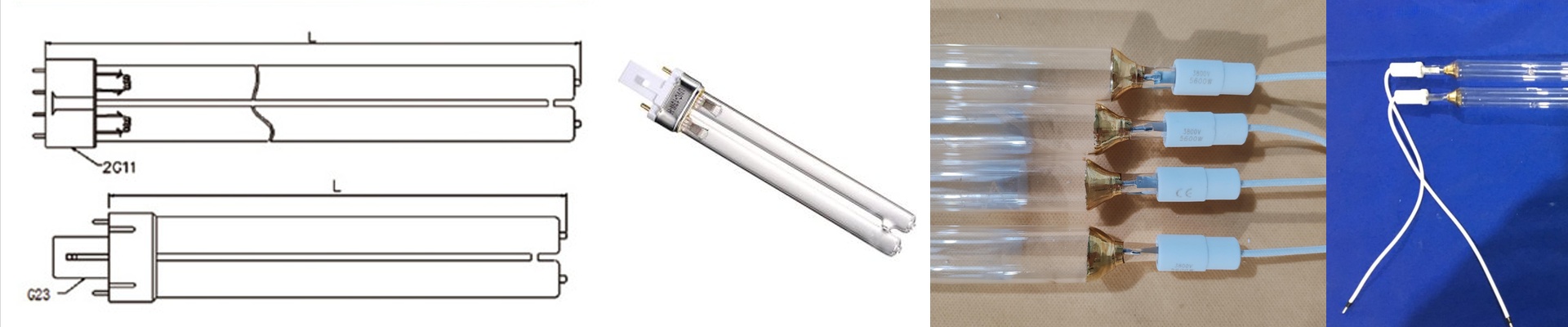
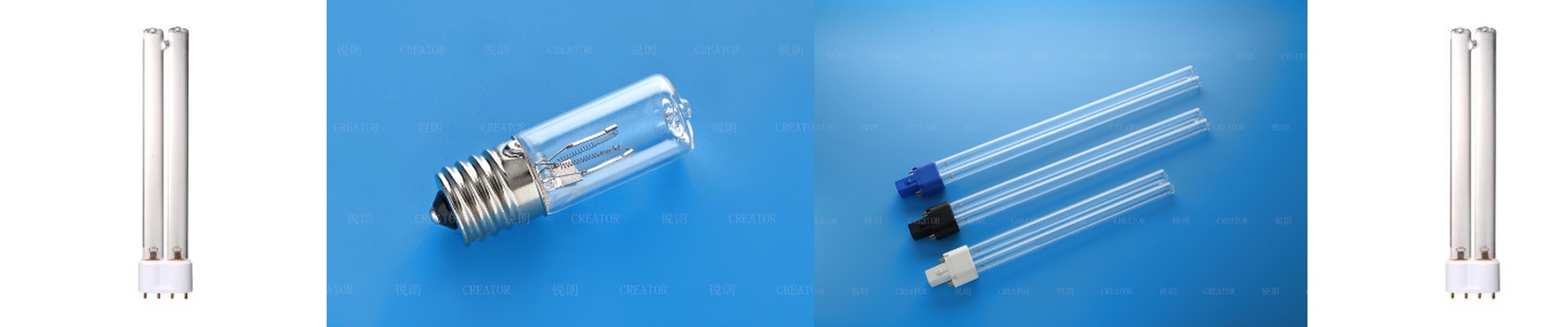
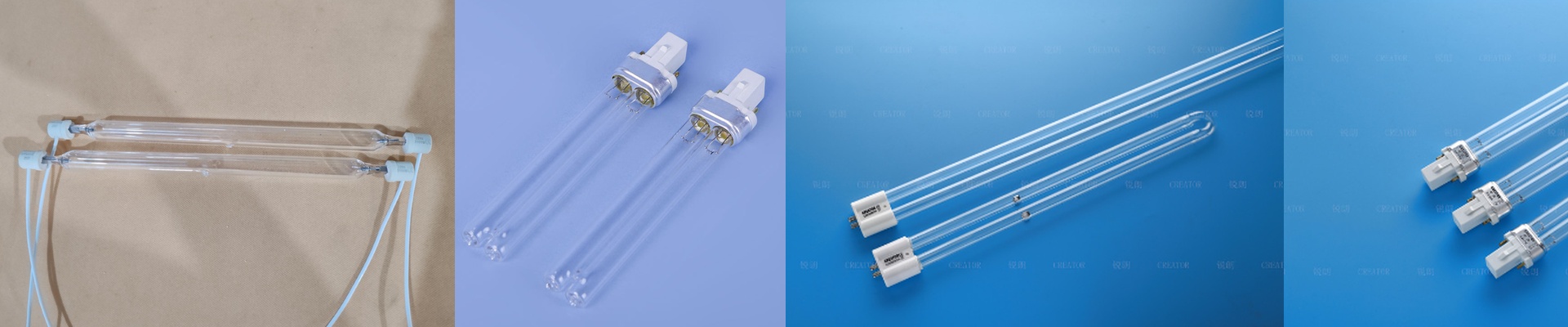
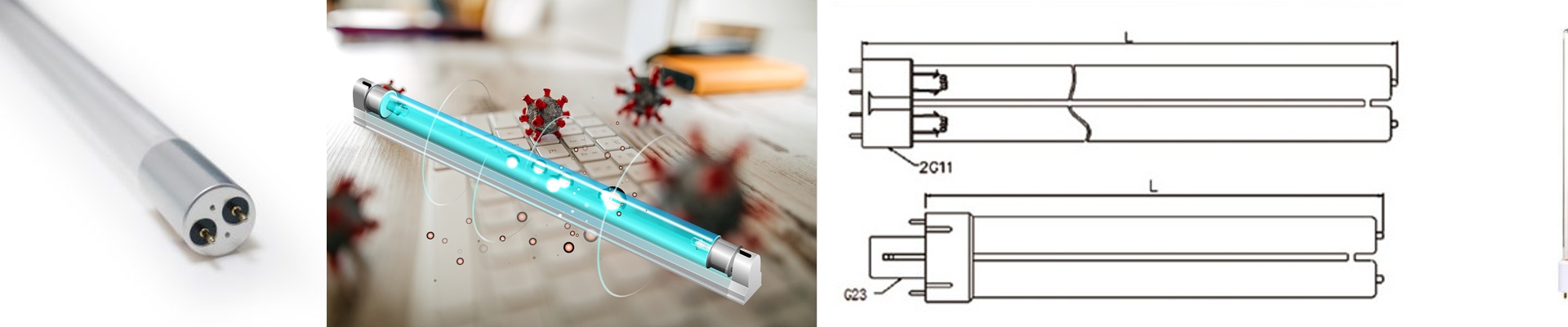
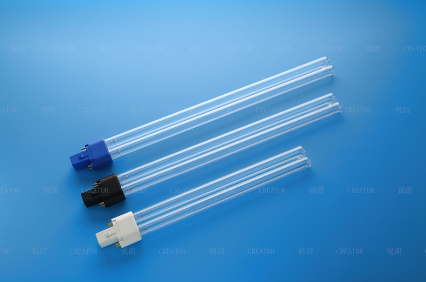
On a high-speed screen press, “spray-and-dry” doesn’t cut it when the UV system can’t keep up. You get queues the moment the lamp doesn’t hit full irradiance instantly, and solvent-based inks smear when the curing energy lags. The bottleneck isn’t usually the ink. It’s the lamp’s response time and how stable its spectrum stays. What matters, technically We spec Industrial UVC germicidal tubes built for fast arc stabilization, so you get steady 254 nm output with warm-up in under a second. Peak irradiance is engineered to top 80 mW/cm² at 100 mm, giving you the photon flux needed for quick cross-linking. The quartz envelope handles high-temperature running, and the ozone-free coating keeps the work cell clean and safe. Count on consistent output for 3,000 hours, with less than an 8% drop, and spectral curves that repeat well—matched to the photoinitiator absorption in screen inks. Why it works on the line In continuous screen printing, the lamp has to fire on demand, keeping pace with every index and pause without overshoot or fade. High-response UVC tubes kill dwell-time delays, so you can run at full machine speed and cure immediately. Fewer rejects, lower energy draw per part, and ink adhesion that stays stable without solvent carryover. On a 24/7 run, the system holds the curing energy density—typically 400–600 mJ/cm²—across the web, even when line speeds clear 120 m/min. A few shop-floor reminders These tubes are picky about ballast matching and reflector alignment. Stick with a matched igniter and a true dichroic reflector optimized for 254 nm; otherwise you lose spectrum and cook hot spots. Check fixture clearance and airflow—UVC output drops if the quartz runs too cool or too hot. Plan replacements around 3,000–4,000 hours so irradiance stays on target and the process stays in spec.