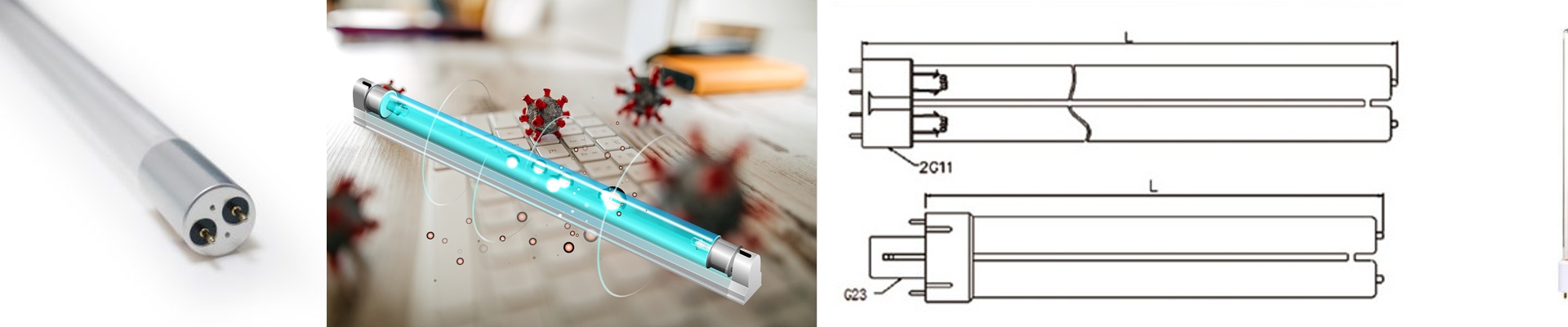
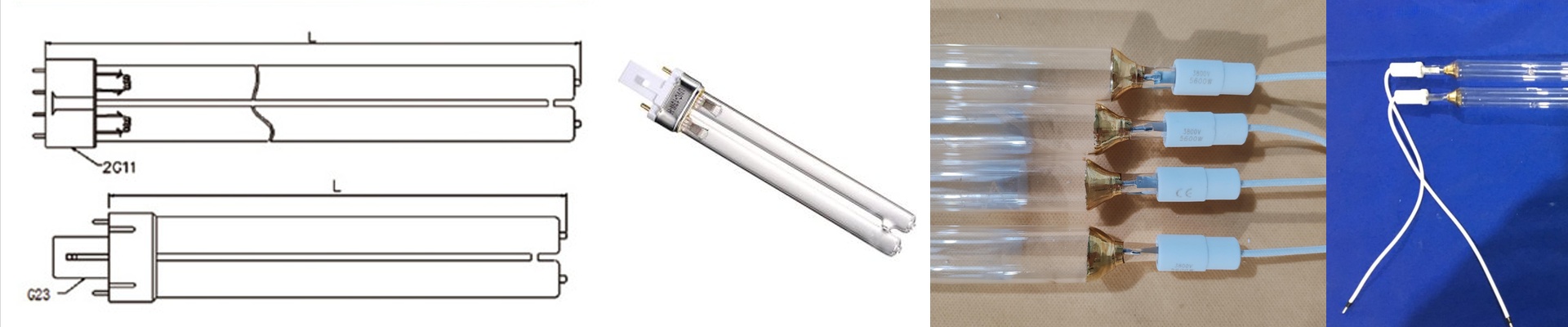
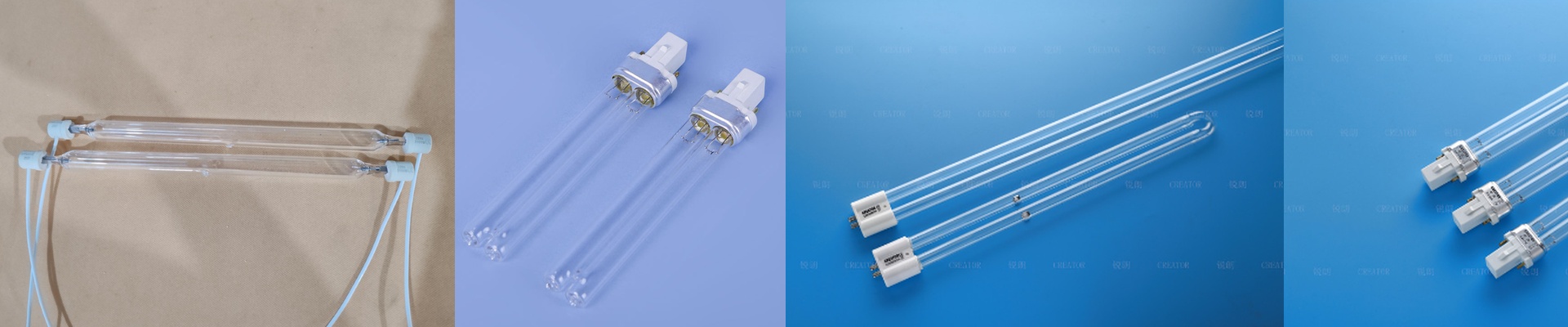
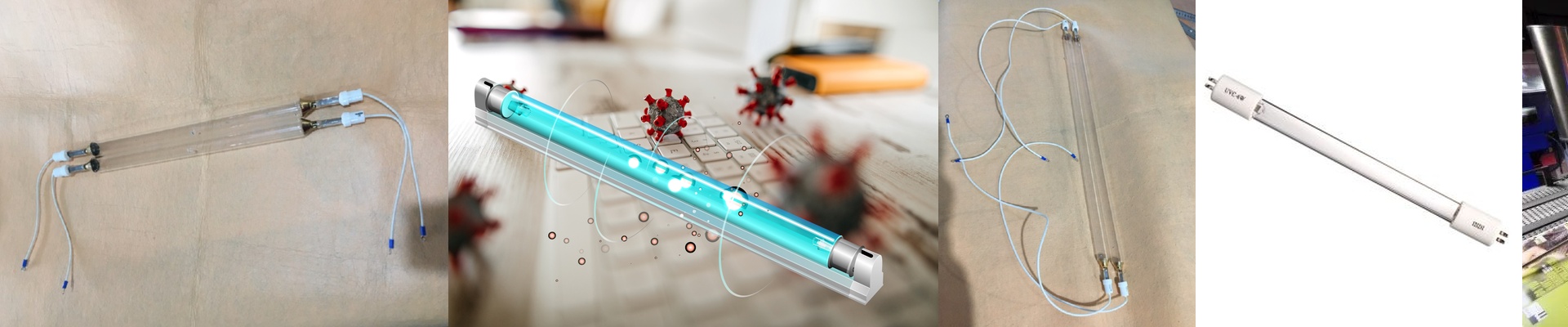
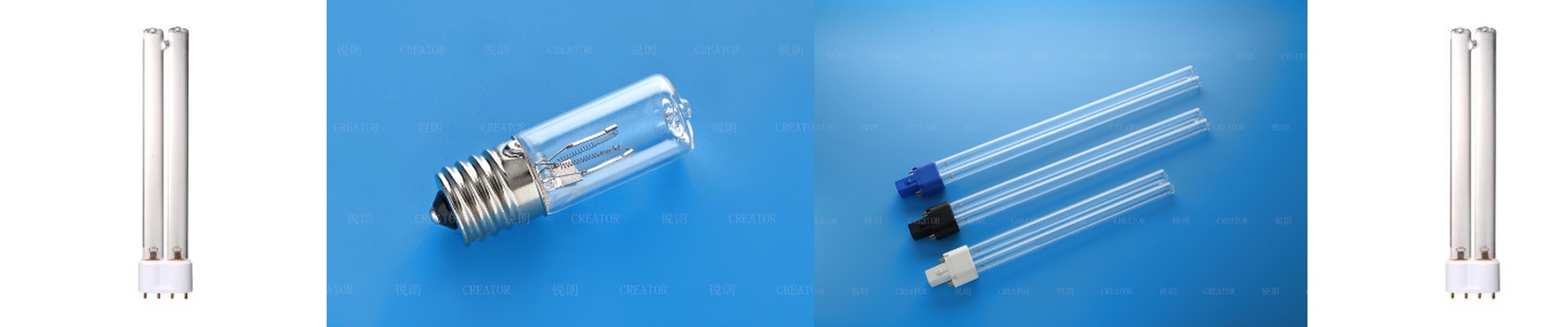
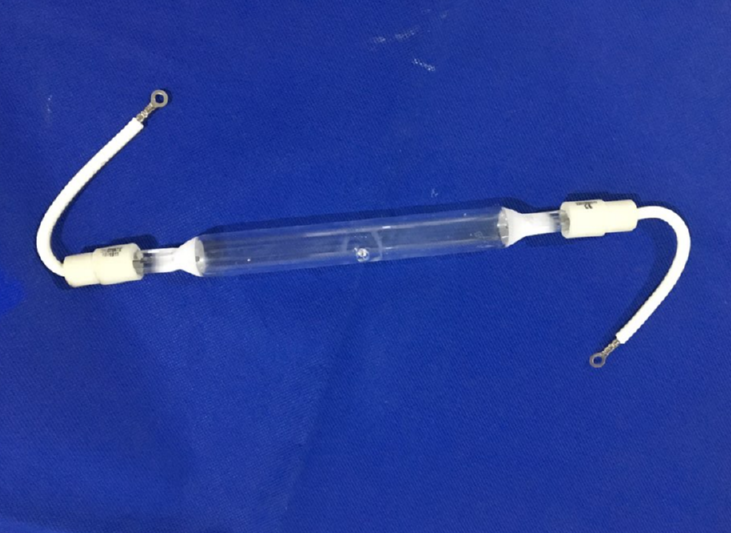
Uneven drying on the press isn’t just a headache—it’s yield bleeding away. In UV offset, flexo, and screen work, the thermal and irradiance profile across the web is what decides whether the photoinitiators actually cross-link. When the Fusion lamp’s output falls off or the reflector efficiency drops, you get bands—undercured edges and overcured middles. The fallout is predictable: scuffing, adhesion failure, and whole runs scrapped. What matters, technically A replacement UV lamp for Fusion has to deliver repeatable spectral output and stable peak irradiance. The high-pressure mercury vapor lamps these systems use are built around a stable arc length and a doped envelope to hit the photoinitiator window—365nm, 385nm, and 405nm lines do the heavy lifting. We match the OEM’s arc gap and electrode geometry so the electrical parameters stay inside the ballast tolerance. The reflector uses a dichroic coating to shape the spectral energy, pushing the useful wavelengths onto the substrate while suppressing excess IR that heats the blanket and throws off the print. Expect consistent output measured above 800 mJ/cm² on-axis at the design speed, with a lamp life curve that holds within a 5% output drop past 5,000 hours. Ozone-free quartz envelopes cut maintenance and keep the curing chamber clean. On the press, uniformity is the whole game. When the lamp and reflector are aligned to the Fusion footprint, the irradiance distribution flattens across the width. That means even cross-linking, fewer rejects, and color density that stays put from the first sheet to the last. You can run faster without chasing cure, and stop compensating with solvents or slower speeds. Energy use drops because reflector efficiency is back where it should be, and the lamp fires at the intended power—not at some strained, aged level. Here are the practical points. Installation is straightforward, but tolerance stacks matter. Verify the lamp length, arc gap, and connector type match your Fusion model, then check the reflector condition. A worn reflector will beat even a fresh lamp. And keep the cooling airflow and shutter cycle within spec—overheating shortens electrode life and shifts spectral output. Match the lamp to the press, and the process settles in.