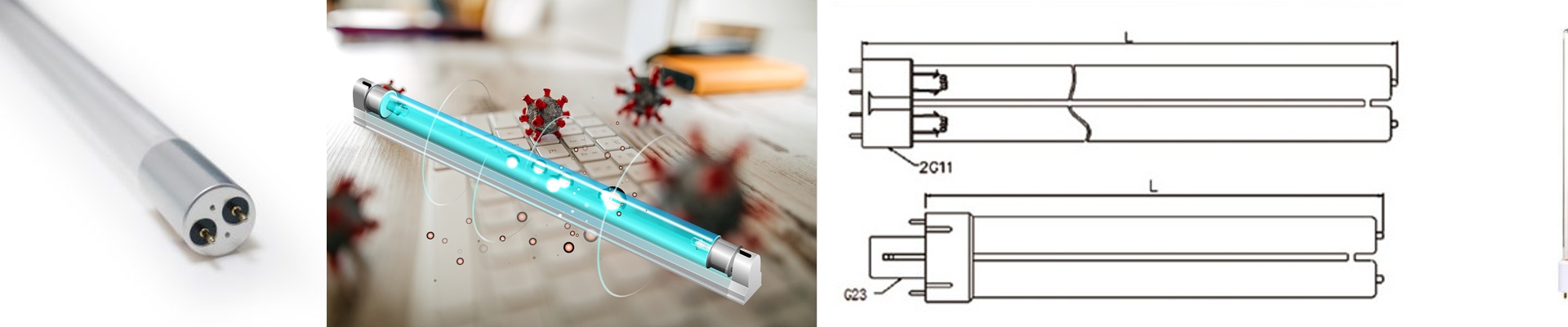
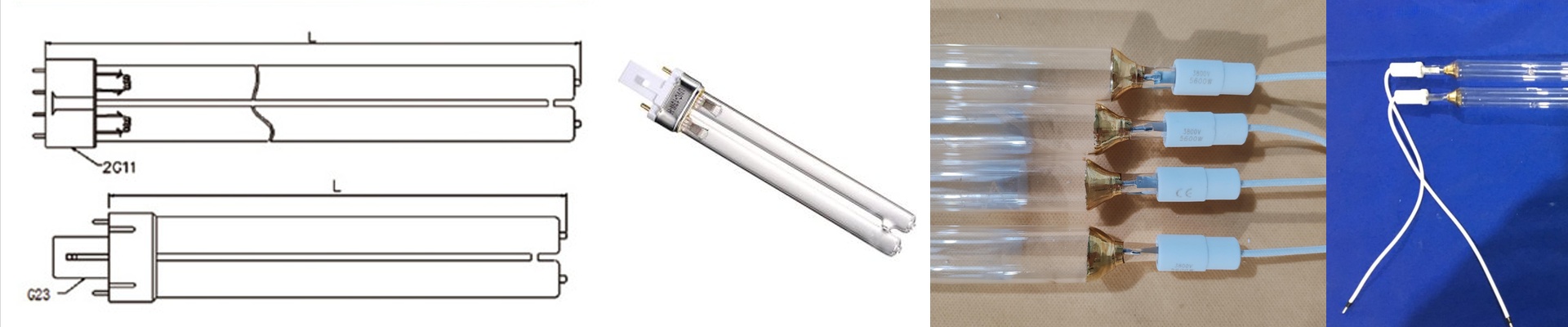
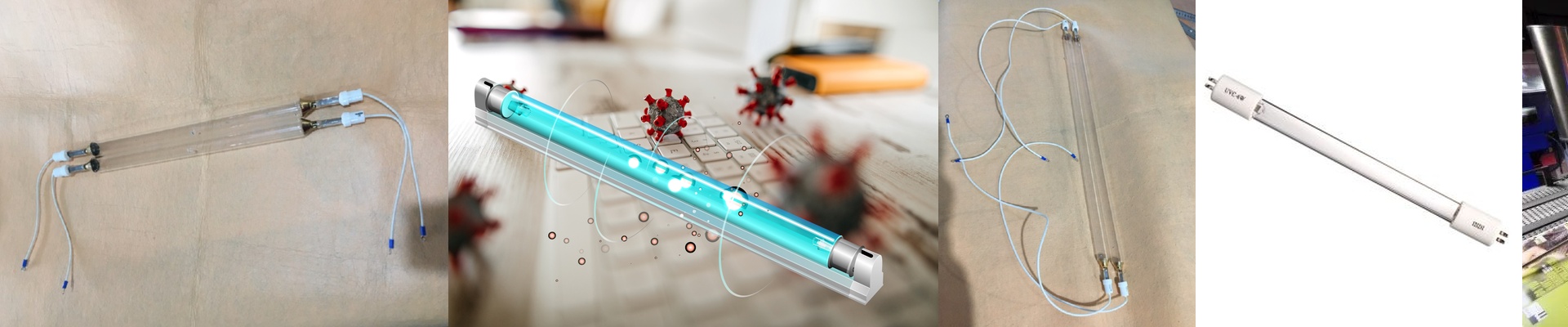
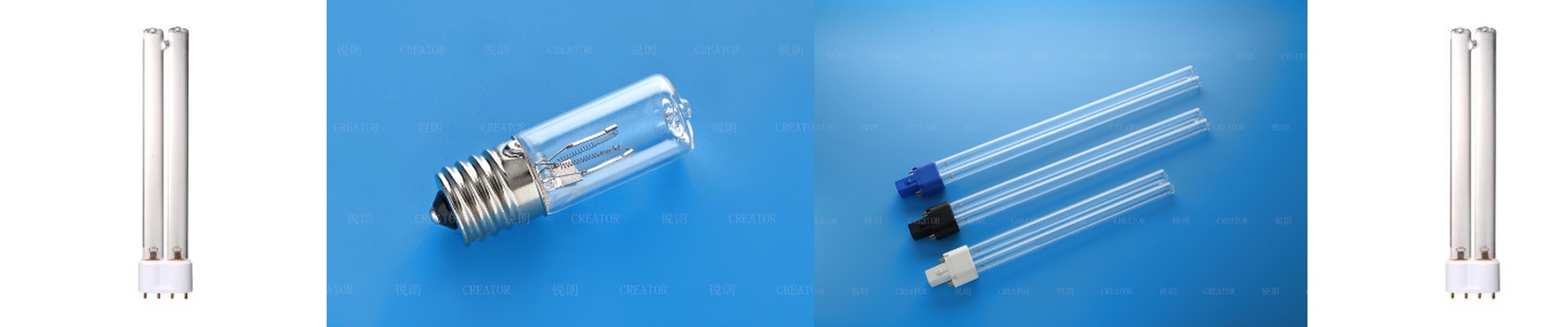
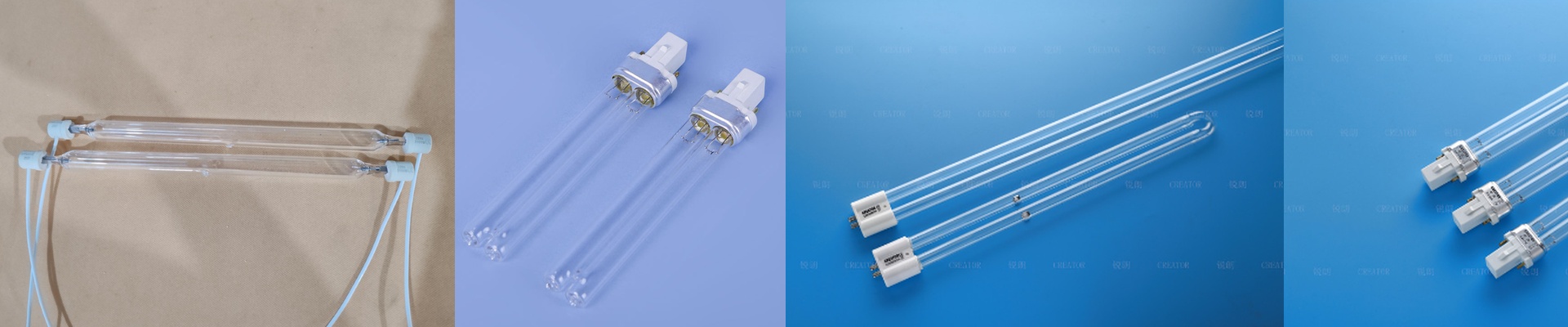
On the press floor, supply chain headaches and import compliance can shut you down just as fast as a UV spectrum that doesn’t match the ink. You need a double-ended UV lamp that’s built to perform—and backed by proprietary design rights—so your sourcing holds up and your shipments clear customs without getting held up. What matters under the hood Double-ended lamps come down to spectral output and how the energy actually lands on the substrate. A high-pressure mercury vapor source has to hit the photoinitiator window: 365 nm for deep through-cure, with stable 385–405 nm tails for surface cure and adhesion. Peak irradiance at the substrate plane has to clear the ink’s cross-linking threshold. Offset and screen inks typically want 800–1200 mW/cm², while flexo needs a tighter profile to keep heat-sensitive substrates out of trouble. Think in dose: 300–800 mJ/cm² is common for standard formulations. Reflector efficiency—dichroic coatings and focal control—determines how much of what the lamp emits actually reaches the print. Our double-ended design keeps arc stability across both terminals, so intensity drop over life stays minimal. We’ve run units past 5,000 hours and still see under 5% output decay when operated within rated current. Why this matters on your line With proprietary lamp architecture and controlled manufacturing, you cut the risk of IP disputes that can trigger inspections, delays, or stop-ships. That protection shows up as uptime: consistent spectral output keeps cure windows repeatable, so color density and adhesion stay in spec, job after job. Maintenance is predictable, too. Double-ended geometry makes replacement straightforward and lines up with common curing modules. Energy stays disciplined because the reflector geometry focuses irradiance where the substrate passes, not on adjacent components. Here’s what to watch for Double-ended lamps demand precise ballast matching and proper end-of-life detection. If the driver is mismatched, current can push beyond the rated envelope, accelerating end-blackening and drifting the spectral peak—then you’ll see tackiness on the print. Double-check connector type, arc length, and wattage against your existing UV system. If you need ozone-free operation, confirm the quartz envelope and reflector coating are specified as ozone-suppressing. Otherwise, you’ll be adding auxiliary venting or ozone destruction units.