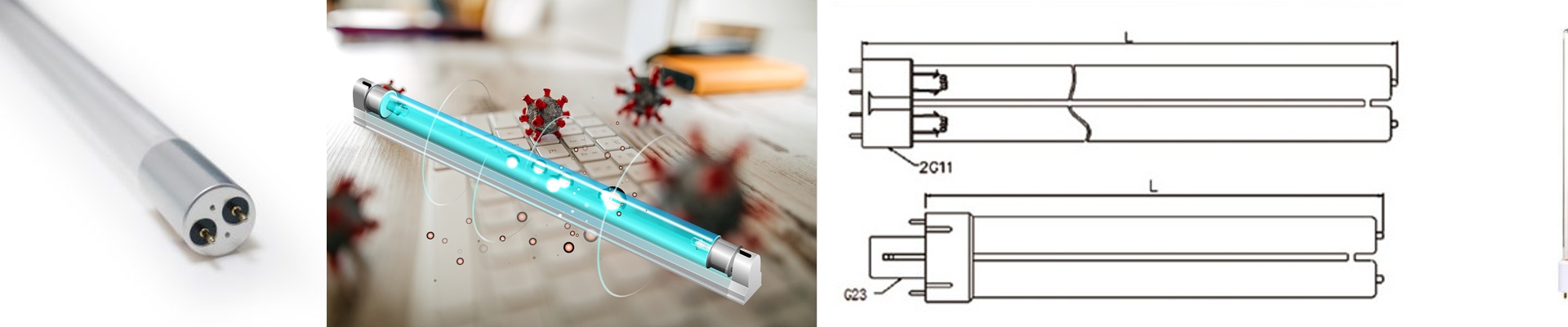
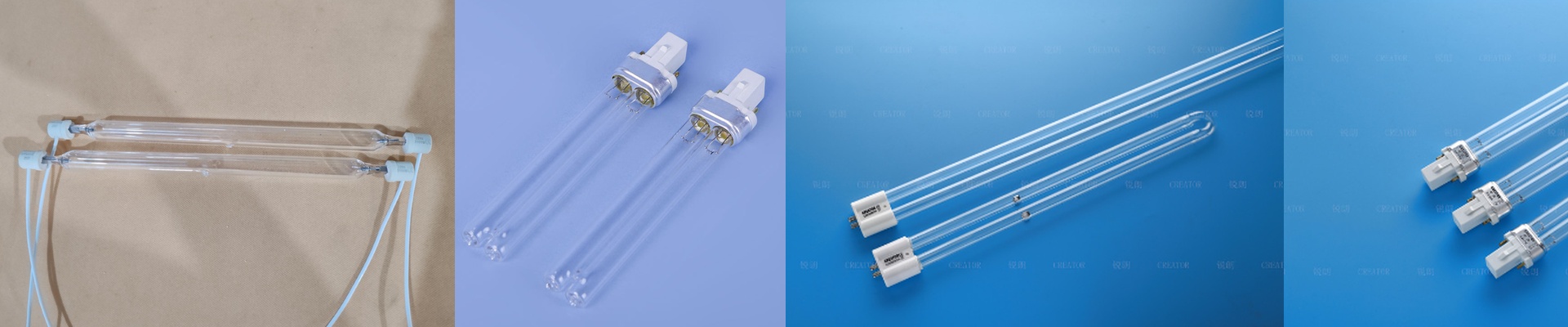
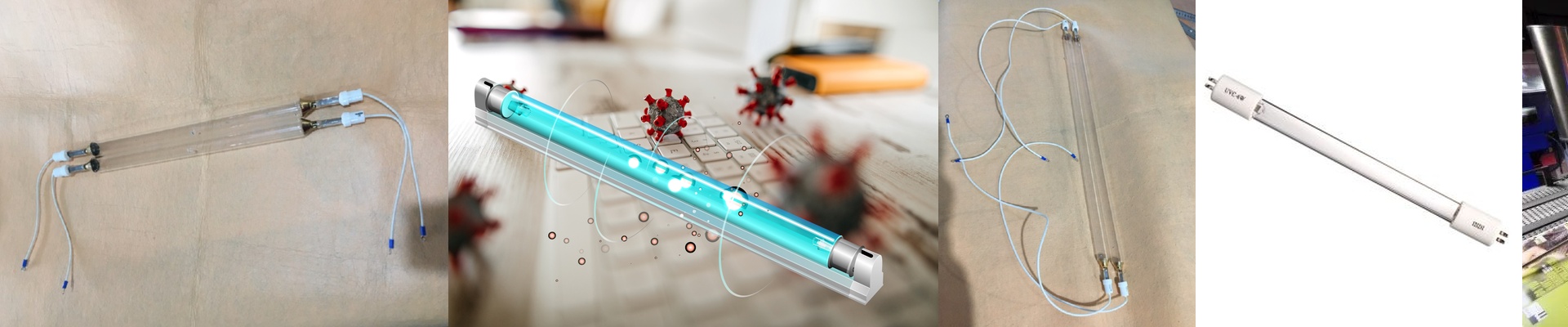
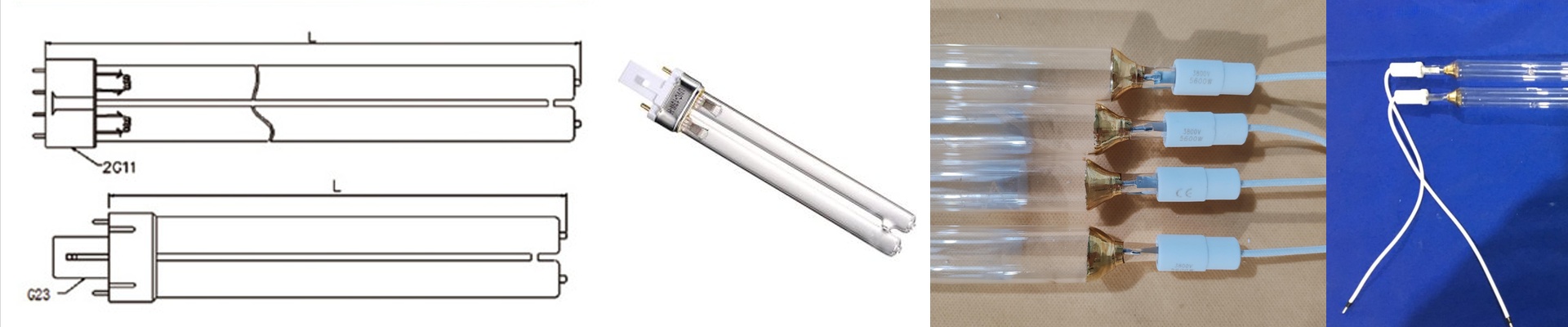
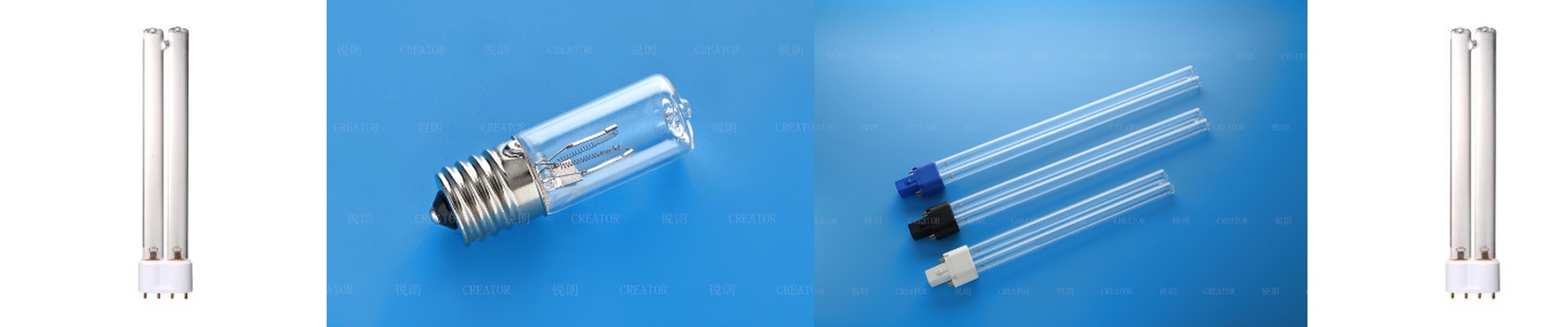
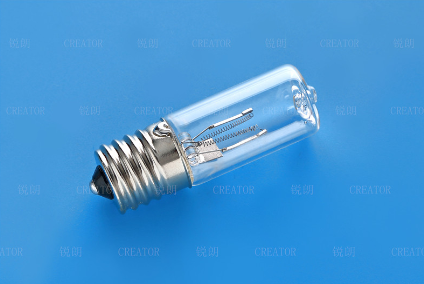
On the plant floor, pond sterilization never sleeps. When the UV lamp overheats, performance drifts—output drops, kill rates slip, and you spend your day chasing failures instead of running cycles. Cooling isn’t an add-on. It’s the line in the sand that keeps power stable.
Power, Spectral Output, and Curing Efficiency
Tetra UV pond sterilizer bulbs are built around a high-pressure mercury vapor discharge, tuned to put the dominant germicidal energy at 254nm. We hold the arc temperature steady so the spectral output stays consistent—no shift toward longer wavelengths as the lamp heats up. Power density is shaped by the lamp-reflector assembly: the reflector’s dichroic coating pushes UV forward and shunts IR back into the cooling path. The payoff is predictable irradiance at the water interface, and repeatable microbial inactivation.
Why Cooling Dictates Stability and Lifespan
A UV lamp is, plain and simple, a thermal device. Without controlled cooling, the quartz envelope runs hot, mercury vapor pressure climbs, and electrical behavior starts to wander. That wander shows up as lower UV output and accelerated electrode wear. Our Tetra bulbs pair the lamp with a cooling architecture that keeps the arc zone in a tight thermal window, which flattens the output decay curve. Power stays steady across duty cycles, and lamp life stretches out—units routinely hit 5,000+ hours with less than 5% output drop when the system is matched to the recommended flow and heat rejection.
What Matters on the Install
Match the bulb to the chamber. Flow rate, inlet temperature, and pressure drop have to sit on the design curve. You only get full rated output when the cooling circuit pulls heat away without letting hot spots form on the quartz. Run without adequate flow, and you shorten lamp life—and risk cracking the envelope. Confirm electrical compatibility and connector type, then check reflector alignment so the irradiance profile lands where it was designed to.