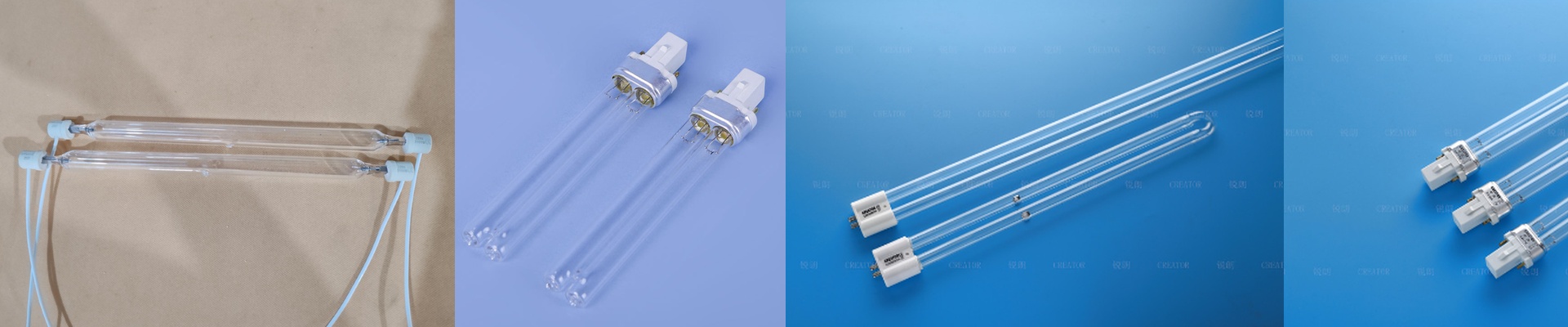
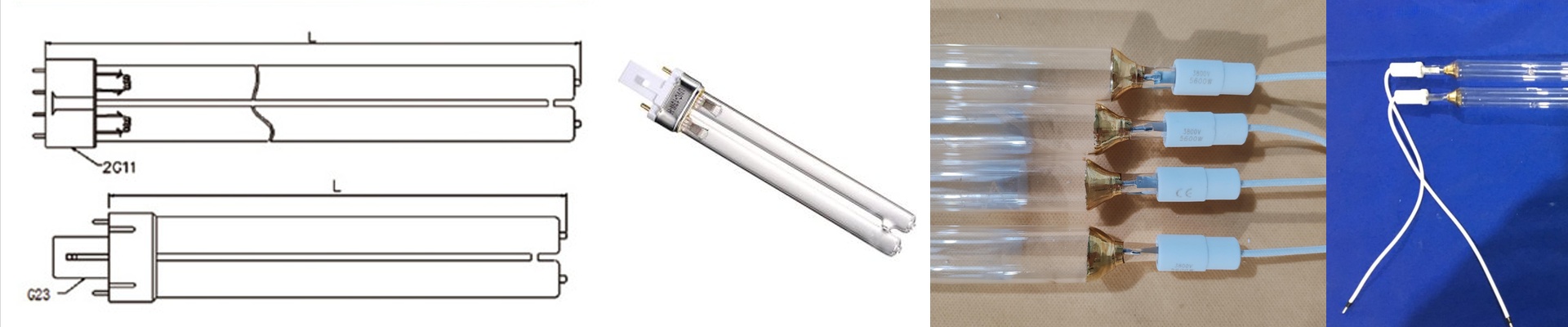
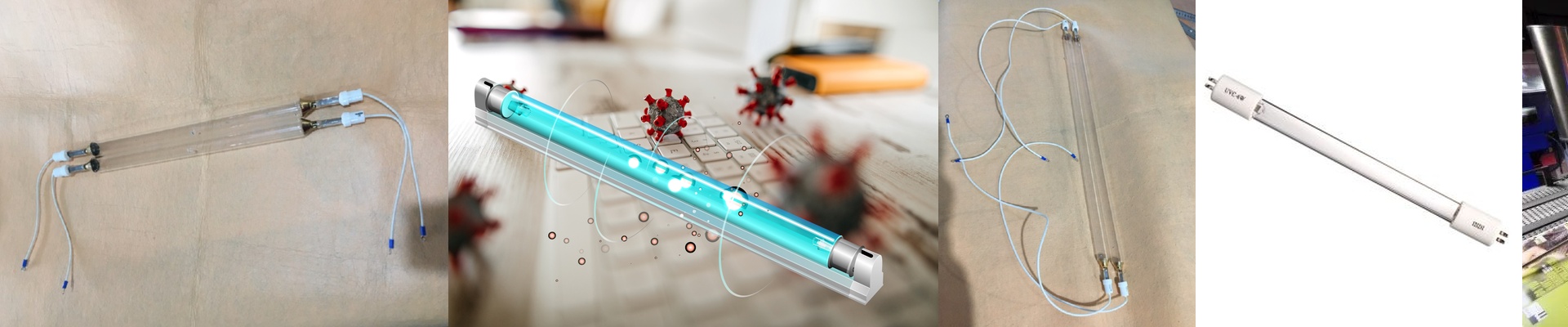
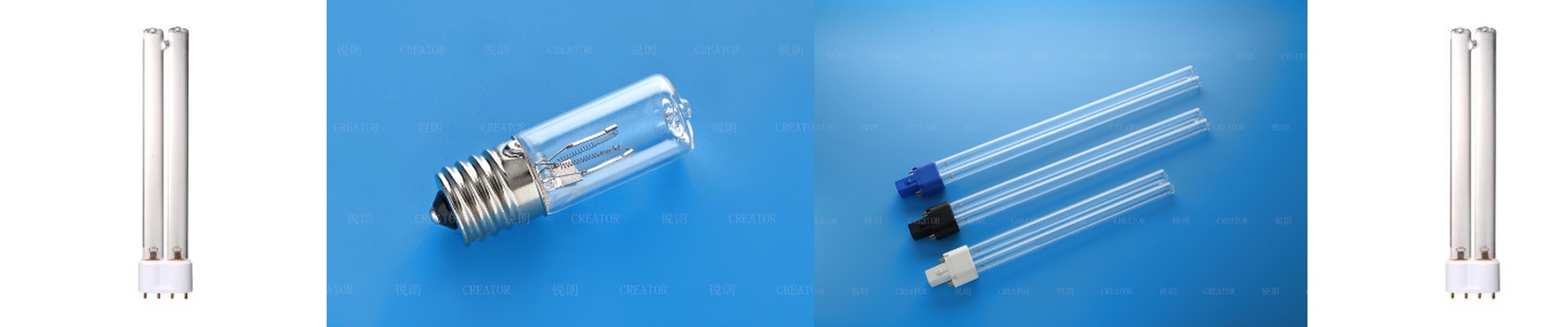
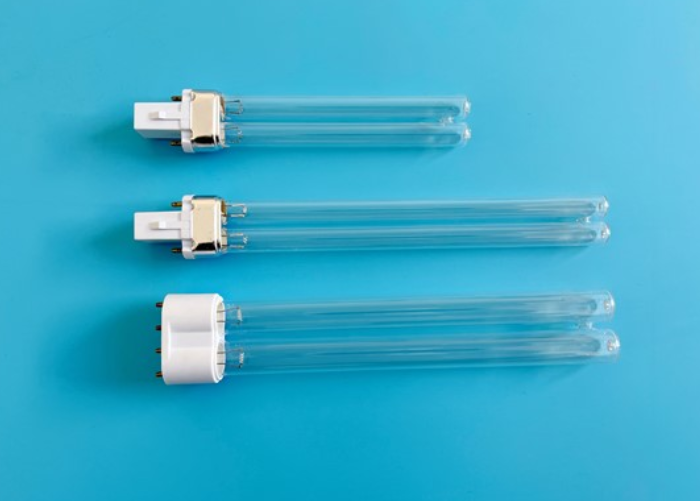
Running an Anatol flash system is all about the constant push and pull between keeping the press running and minimizing downtime. When the original UV lamp starts to lose its edge—spectral output dropping, cure times stretching—the usual fix is an expensive electrical rewire. We built the Emperor Aquatics UV lamp to sidestep that headache altogether. What’s actually under the hood It’s a high-pressure mercury vapor discharge, tuned to hold a stable spectral output centered on 365nm, with the secondary lines at 313nm and 436nm that line up with photoinitiator absorption in typical offset, flexo, and screen inks. Peak irradiance across the arc length is spec’d to deliver the energy density (mJ/cm²) needed for rapid cross-linking without cooking the substrate. The quartz envelope and dichroic reflector are matched to the Anatol flash geometry, so heat rejection is controlled and the cure window stays repeatable. You can count on a rated service life of 5,000+ hours, with output degradation held below 5% over the first 3,000 hours. Why it fits the Anatol setup The real payoff is a straight swap. The Emperor Aquatics lamp is pin-mapped and dimensionally matched to the Anatol flash system, so it drops in without touching the circuitry—your safety interlocks and control logic stay intact. You get faster cure-to-dwell cycles, fewer ink tack issues on the stack, and consistent cure density across the sheet, without re-engineering the electrical cabinet. Power draw stays within the original envelope, so you don’t get hit with surprise load calculations while still hitting the curing energy you need. Here’s the part that matters on the floor: installation is simple, but alignment is not optional. Double-check reflector focus, lamp arc position, and cooling airflow against the Anatol spec sheet. Even a small offset will shift peak irradiance and show up as edge under-cure. The lamp runs hot—let it thermally stabilize before you run full speed. Also, take a look at the existing shutter cycle count. Lots of high-current cold starts will shorten electrode life. If you’re running 24/7, put reflector inspection on the calendar at 2,000 hours to keep output stable.