Making UV Curing Actually Clean
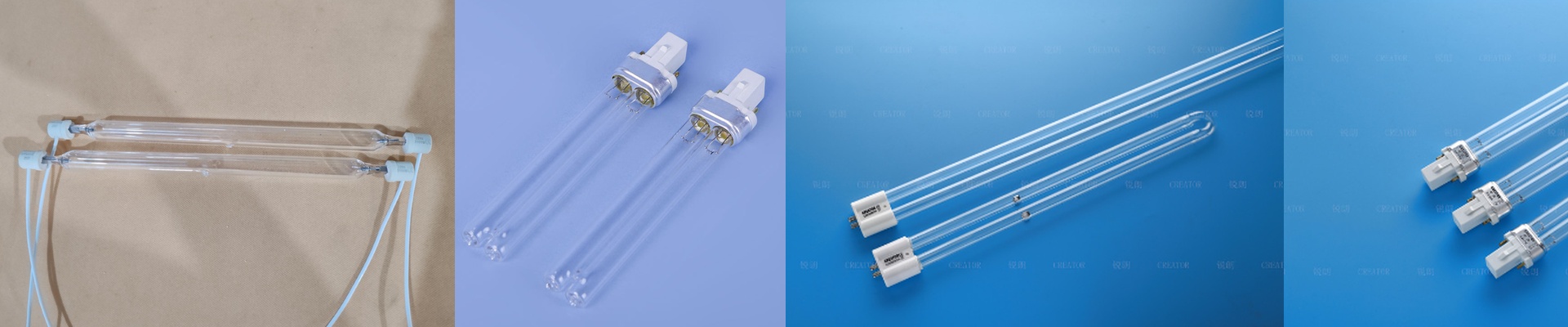
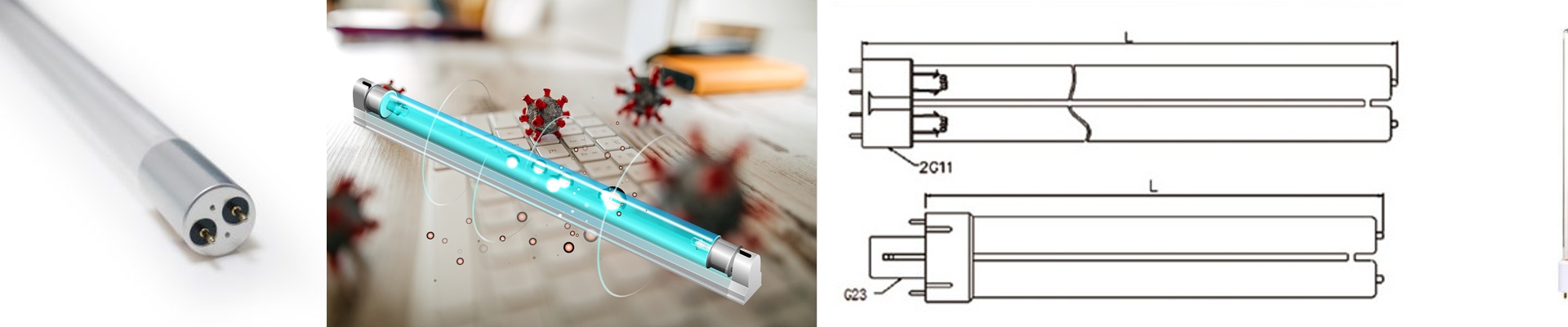
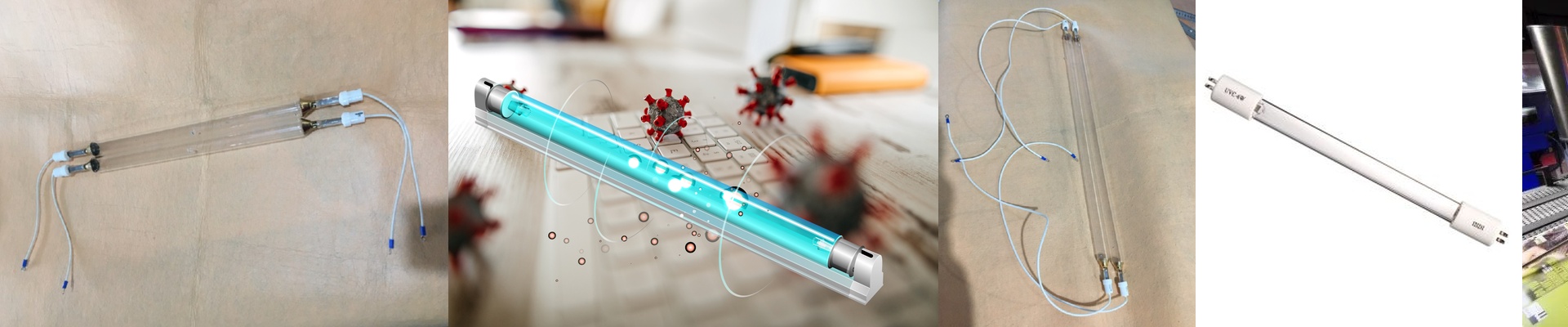
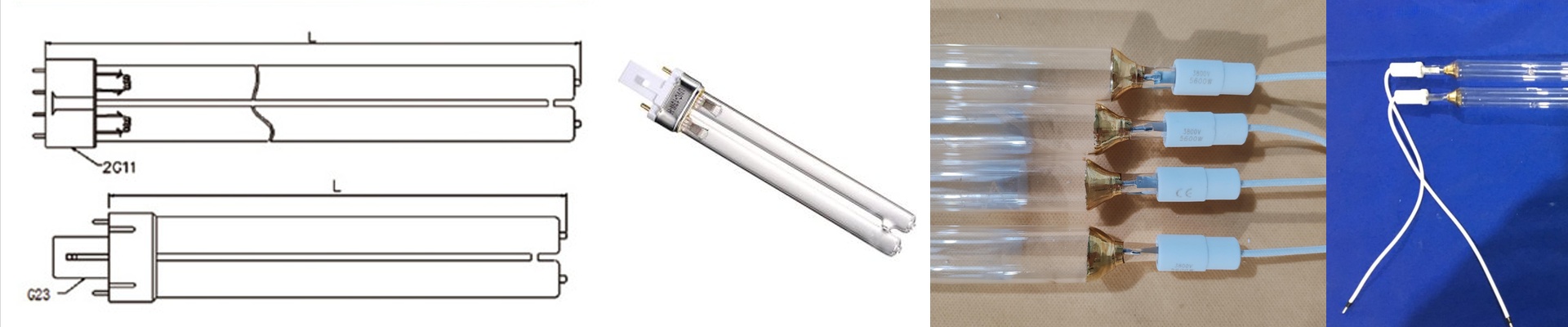
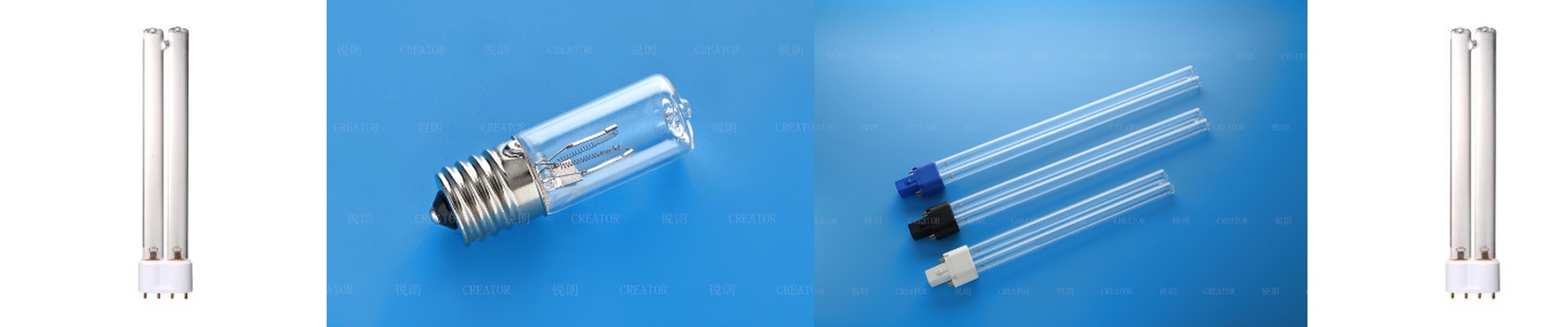
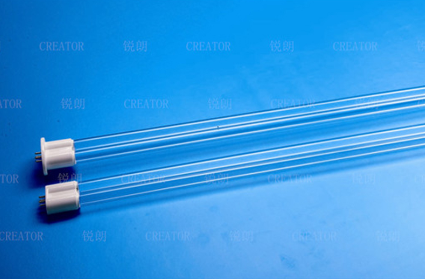
For a long time, industrial UV curing has leaned hard on mercury-vapor lamps to get the job done. But let’s be honest—the waste is a headache. We’re changing how we build these systems because “good enough” isn’t great for the planet. The goal is simple: stop using hazardous additives and make the lamps last way longer. Fewer dead tubes in the trash means a cleaner shop and a lot less stress. The nitty-gritty on output It all comes down to the light the bulb puts out. Depending on what you’re doing, we tune these to hit 254nm for killing germs or a wider UVC range for curing. Now, here’s the trick: more wattage gives you a stronger punch of photons, but it beats up the quartz glass. You have to find that sweet spot between your power and your conveyor speed. If you push it too hard, you’ll end up scorching your materials. Nobody wants that. Why these last longer Ever notice how some bulbs get cloudy over time? That’s “solarization,” and it kills your output. To stop that, we use high-purity synthetic quartz. We also cleaned up the mercury and tweaked the electrode coatings. Why? Because longer life means you aren’t stopping production every few weeks to swap out bulbs. It saves you money and keeps your line moving. Plus, we’ve ditched the old-school materials that release nasty toxins when the bulb burns out. Getting it running The best part is that these are basically drop-in replacements. They fit right into most standard arrays. We’ve kept the tolerances on the end-caps tight so you get a solid electrical connection every time. But a word of caution: don’t try to cheat the system. If you over-drive the lamp via the ballast just to get more intensity, you’ll fry the electrodes and the tube will pop way sooner than it should. And keep an eye on your cooling. Keep that quartz envelope at a steady temperature, or the glass can actually warp. Keep it cool, keep it steady, and these things will treat you right.