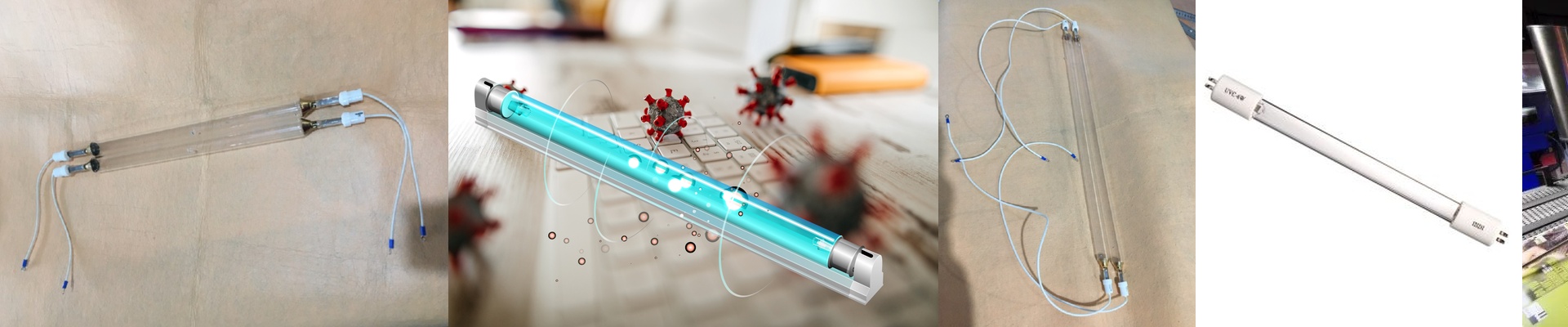
Introduction
Here’s the story behind this lamp: we built it to fix a real headache on the factory floor. You know the problem—needing intense, focused heat in a cramped spot without the thing burning out on you after a week. After 15 years of tinkering with the physics and materials, we landed on a halogen-based UV heater that’s a straight-up, drop-in replacement for demanding production lines. It’s for the engineers who just need something that works. Predictable output. Easy install. And the guts to take the heat, cycle after cycle.
Power, Voltage, and Size: Why It Matters
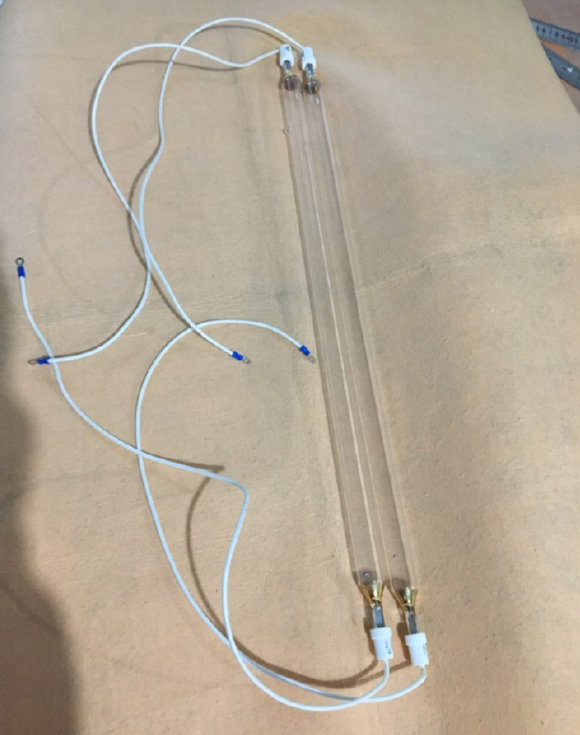
None of these specs are random. We went with a 400V high-voltage design because it lets us squeeze a ton of wattage into a small tube. That means serious heat in a small footprint. The 2500W rating isn’t just a number. It means the lamp heats up fast, cutting down on warm-up time and keeping your line moving. And the 300mm length? It was chosen specifically to fit standard machine bays, so you don’t have to redesign your whole setup. You get a heat profile you can trust, every single time.
What’s Inside: Halogen, Quartz, Coating, and the Connector
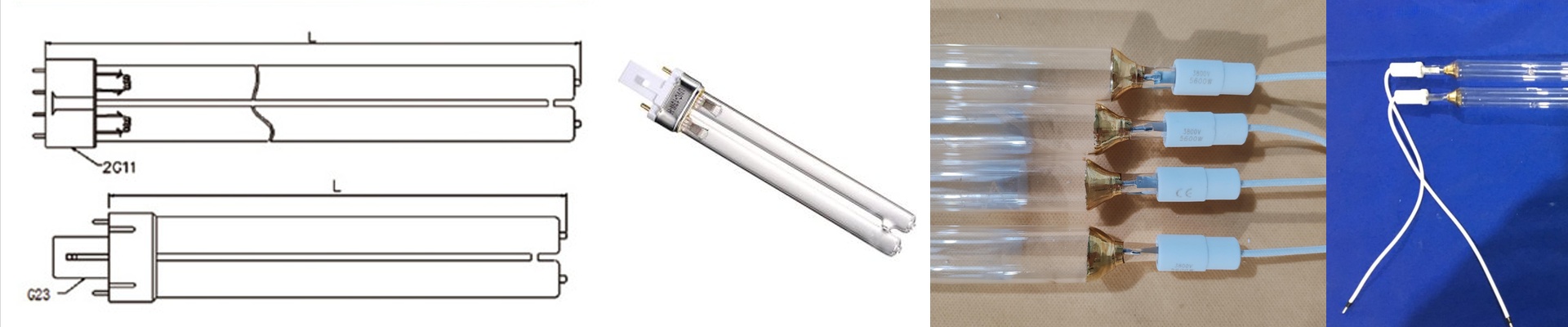
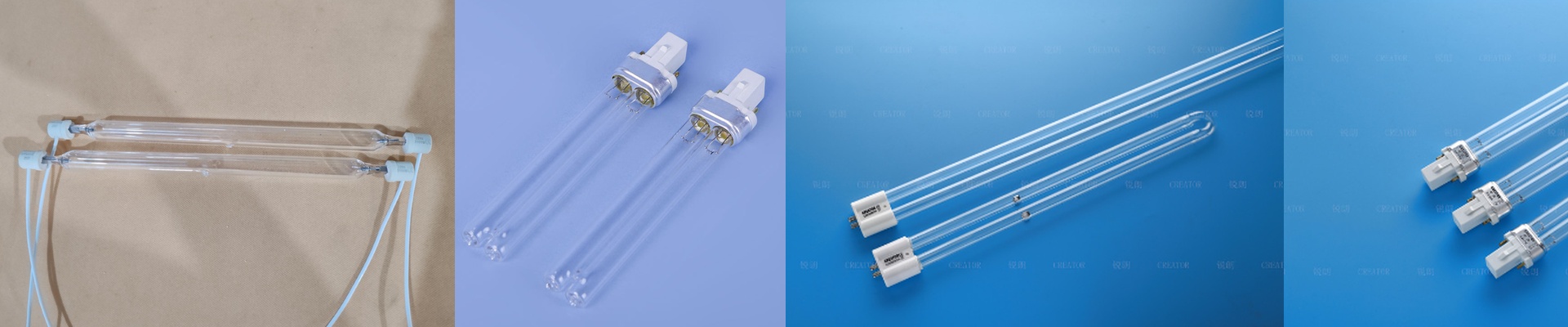
Let’s talk about what makes it tick. Inside, you’ll find a halogen capsule. It keeps the filament temperature steady, which means the light output stays consistent over time—no fading. The tube itself is quartz, and for good reason. It handles extreme temperature swings and lets the UV light pass through cleanly. We also added a special coating to shield the quartz from harsh conditions and airborne gunk, which helps keep the output stable. And the R7s connector is the final piece. It’s a reliable, two-ended design that makes this a true plug-and-play solution. Just wire it up, line up the ends, and you’re locked in.
Who It’s For: The Real-World Benefits
This setup is for industrial heating jobs where space is at a premium and the machine absolutely has to keep running. The high heat density means you can hit your target temperature quickly, which boosts your throughput. And that R7s connection makes maintenance a breeze, so you’re not wasting hours swapping parts. But here’s the honest part: packing 2500W of power into a small space means you need proper cooling. Your machine’s airflow or heat sinking has to be up to the task to keep the housing cool and protect the other components nearby.
How It Performs on the Shop Floor
We spent 15 years tightening up the tolerances, stress-testing materials, and proving this thing out in real-world conditions. Not in a lab. On the shop floor. The result is a UV lamp replacement that doesn’t just look good on a spec sheet. It installs fast, and it holds its output, no matter how many times it heats up and cools down.
Where You’ll See It Work
- PET Blowing: Gets preforms hot quickly and evenly.
- Industrial Curing: Delivers consistent heat for coatings and adhesives.
- Line Heating: Focuses intense heat right where you need it, in tight spots.