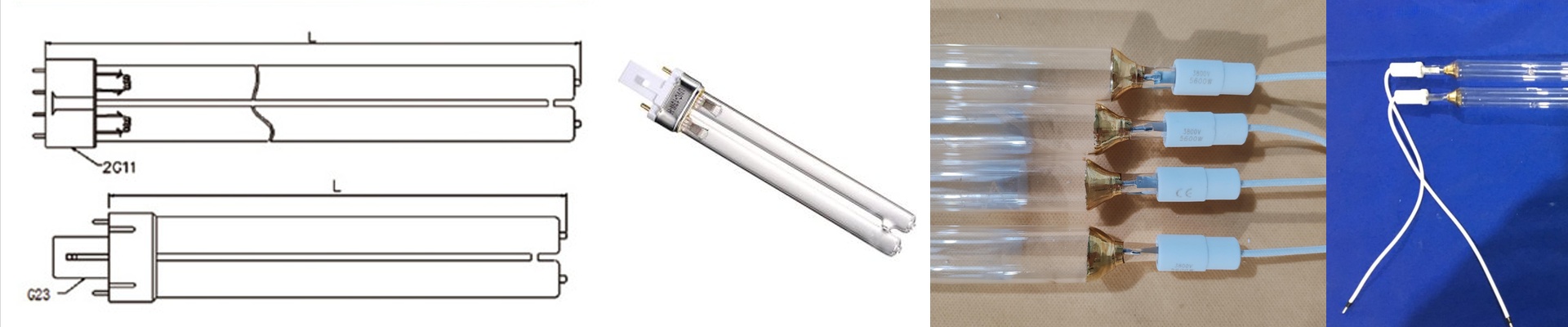
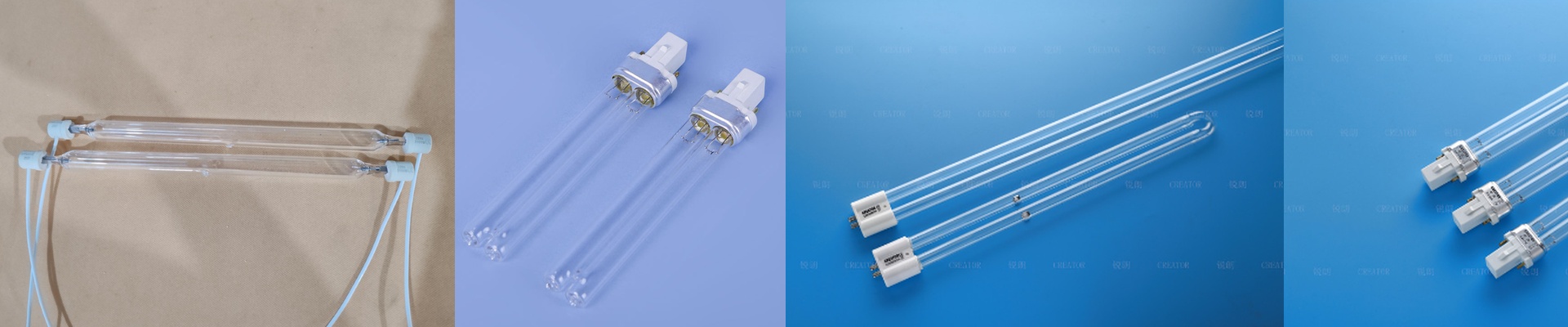
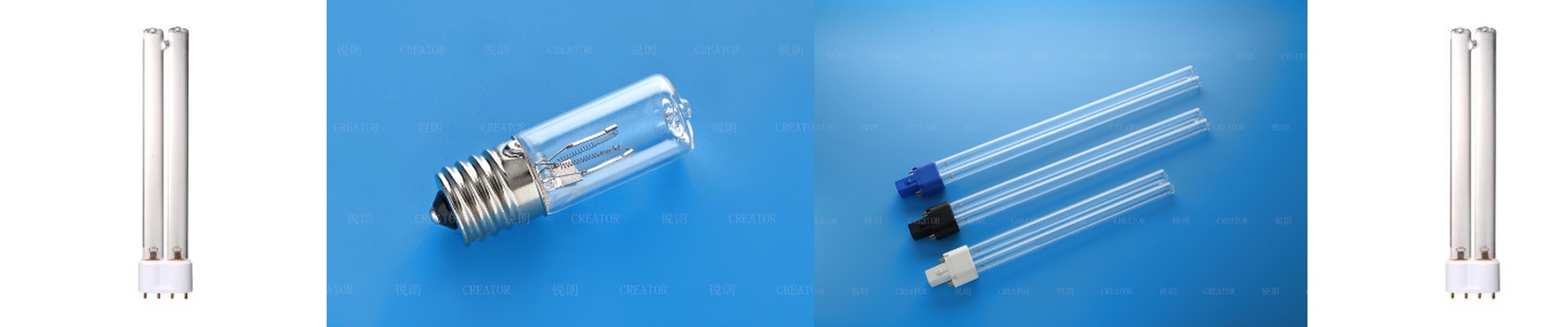
After walking through more than 3,000 printing plants, the one thing I keep seeing is the same head-scratcher: curing variability is what generates scrap. On UV offset, flexo, and screen lines, the lamp isn’t just a heat source—it’s a photochemical reactor. If you don’t have verified spectral output and irradiance, you’re not actually controlling cross-linking.
What matters, technically
When you test lamps, your UV intensity meter has to see the emission peaks that actually drive photoinitiator response. With high-pressure mercury vapor lamps, that’s primarily 365 nm. LED-UV and hybrid systems are pushing more 385 nm and 405 nm. You need a calibrated radiometer with traceable units, reporting peak irradiance in mW/cm² and cumulative energy density in mJ/cm² over a defined exposure area. And the measurement geometry has to match the curing window: distance, beam profile, and reflector efficiency all change the dose that lands on the ink. Repeatability beats a single flashy reading. The meter should stay stable across lamp warm-up, track output decay over lamp life, and expose reflector degradation by comparing current intensity against the baseline you set when everything was new.
Why this works in real production
In industrial printing today, the bottleneck isn’t the ink—it’s process stability. A verified UV intensity meter lets you set a minimum energy threshold for each substrate and ink chemistry, then watch for drift. That cuts unplanned stops, keeps gloss and adhesion consistent, and prevents under-cure that shows up later as blocking, scuffing, or odor. It also helps with energy management: you run lamps at the minimum required intensity, not on gut feel, and you replace lamps and reflectors based on measured performance, not the calendar.
The details that bite you
Match the sensor’s spectral range to the lamp spectrum. A broadband reading without wavelength specificity will mislead you when you switch between mercury and LED-UV. Fix the meter position to the web path and make the fixture repeatable. And yes, calibration drifts over time—plan annual recertification. Also account for ozone-free lamps and quartz window transmission changes. They can shift short-wave output enough that your dose targets need updating.