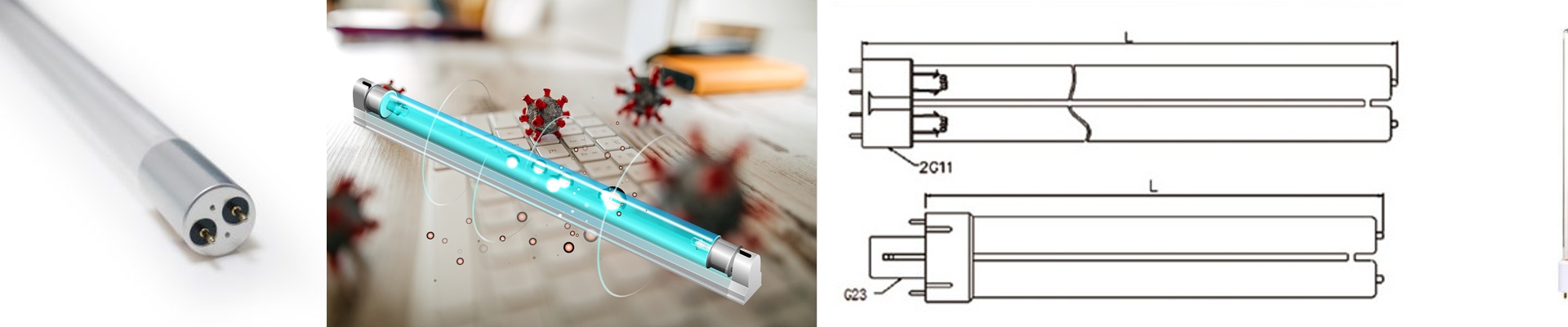
On the exposure line, underexposure is the kind of problem that quietly wrecks your day. Weak stencils, pinholes, and the inevitable rework that eats press uptime. The reality is, your UV lamp’s spectral output decides whether the photopolymer cross-links properly—or folds halfway through the run.
What actually matters under the hood
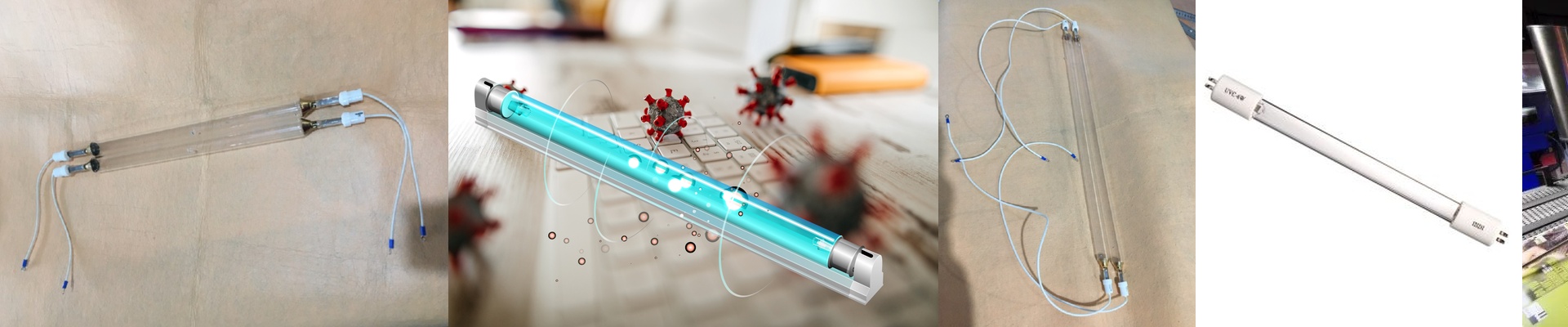
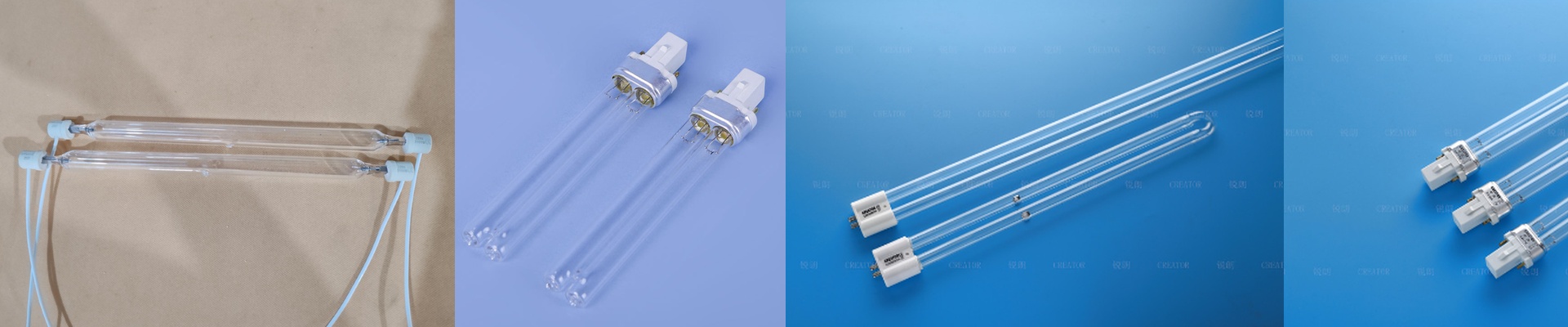
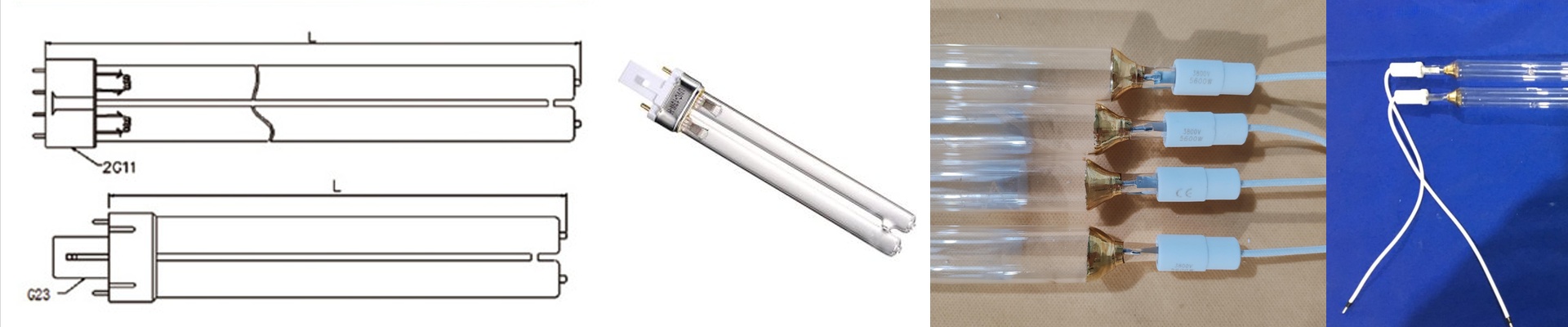
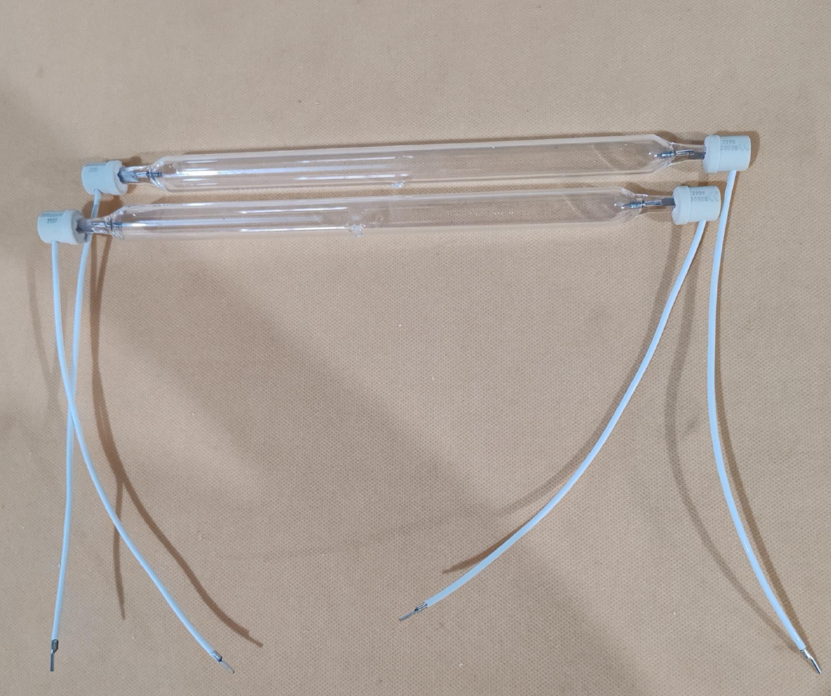
We build the gallium UV lamp for screen exposure around a 365nm peak, a mercury-vapor spectrum tuned for photopolymer initiation. Arc length and doping are set to deliver stable irradiance across the emitter, not just a hot spot down the middle. Peak irradiance is engineered to exceed 1,200 mW/cm² at the stencil surface, which translates to curing energy density above 300 mJ/cm² in typical exposure windows. That output is matched to dichroic reflectors that shape the envelope and cut wasted IR, so you keep heat off the vacuum frame and off the film. The lamp runs ozone-free, and the quartz envelope is built to survive repeated thermal cycling.
Why this setup earns its keep in screen exposure
In this process, you need repeatable depth of cure and crisp edge definition. The 365nm peak hits the photoinitiator chemistry in most emulsions and capillary films with high quantum efficiency, so exposure time drops while stencil durability improves. You end up with tighter tolerances on line width, sharper edges, and fewer pinholes—especially on fine-mesh jobs. The stable output curve means fewer exposure tweaks from lamp to lamp, and the lower IR load helps reduce film distortion and vacuum-frame heat soak. Across the first 2,000 hours, lamp-to-lamp spectral match stays within ±5%, and total life typically lands at 3,000–5,000 hours depending on power density.
The shop-floor details you can’t ignore
Match the lamp to the reflector geometry and to the power supply. Gallium lamps demand precise ignition voltage and stable ballast current; if the driver doesn’t fit, lamp life shortens and the spectrum drifts. Mounting tolerance matters, too. Misalignment changes irradiance uniformity and can show up as banding on the stencil. Check your unit’s end-of-life sensor and shutter timing. And remember: output drops faster when the lamp runs hot or is under-cooled, so confirm airflow and reflector cooling are exactly as specified.