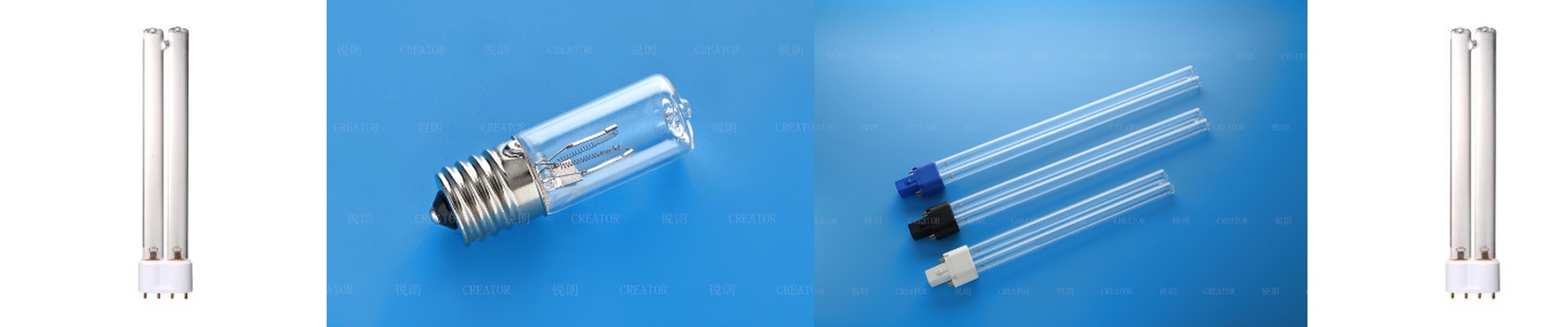
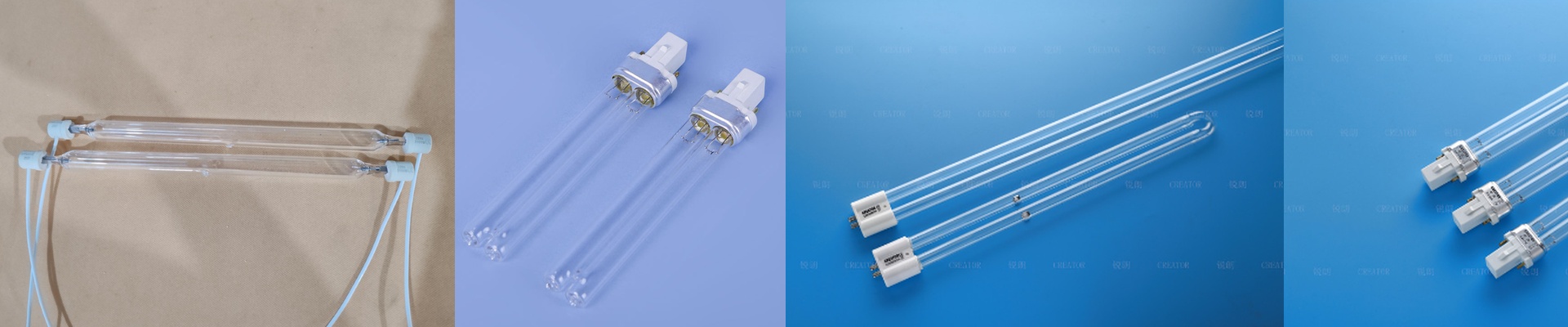
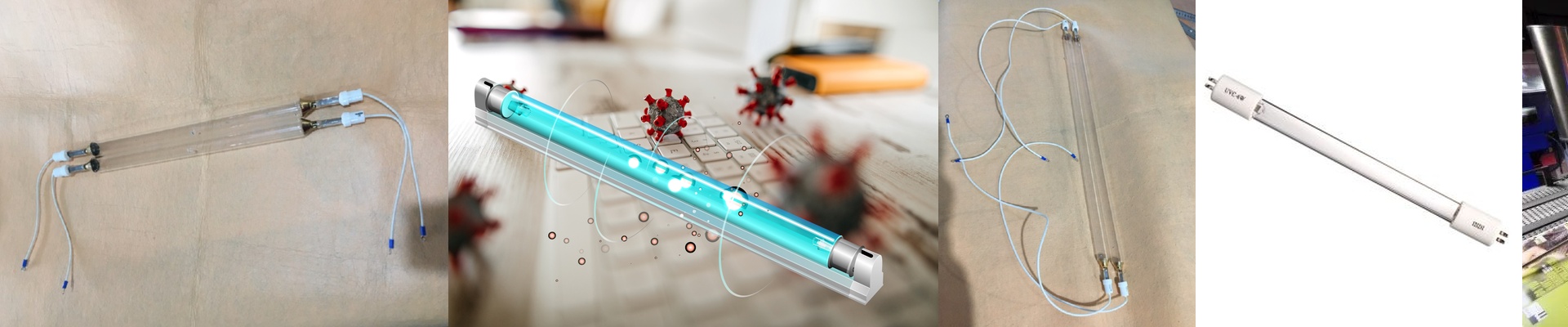
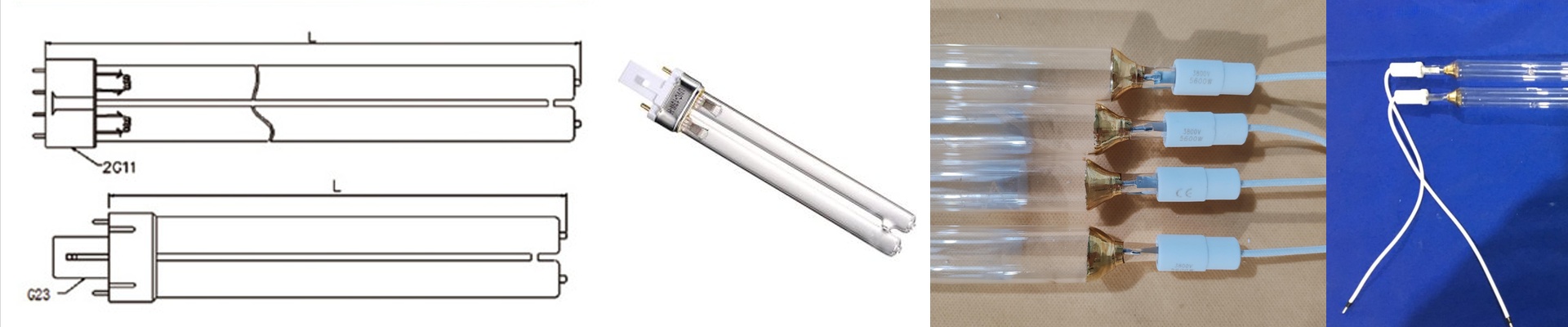
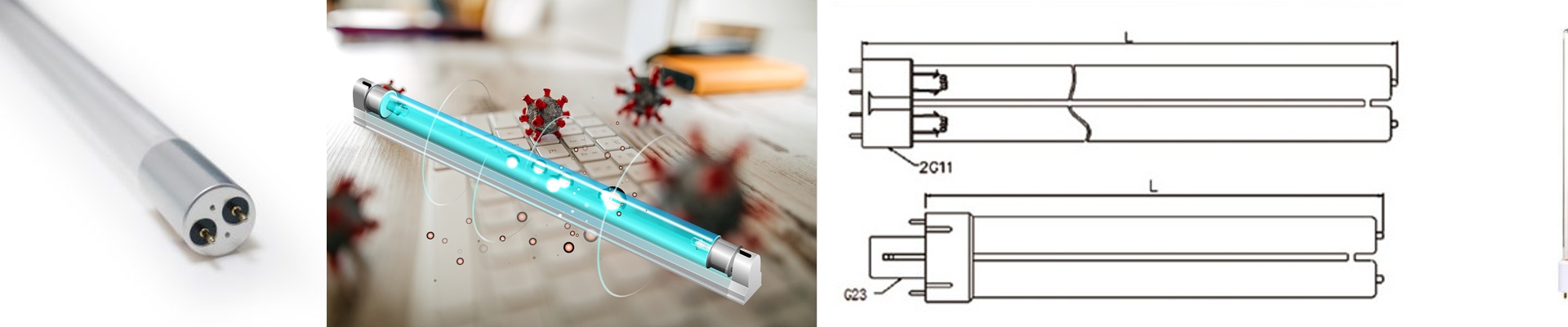
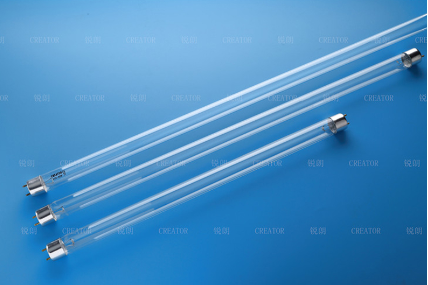
On the line, adhesive curing bottlenecks live in seconds, not minutes. A hiccup—too slow, too weak, uneven bond—and you’re downtime and scrap. We built the next generation of UV lamps for adhesive curing to take that uncertainty out, pairing remote energy monitoring with a spectral profile tuned for instant initiation and full cross-linking. What matters under the hood We run a high-pressure mercury vapor lamp behind a dichroic-coated reflector, so the spectral output is stable at 365 nm and 395 nm—right where the photoinitiators in structural and pressure-sensitive adhesives are hungry. Peak irradiance hits 12 W/cm², and you can get 200 mJ/cm² in under 1.2 seconds. That’s true inline curing without cooking the substrate. Arc length is tuned for 20–80 mm beams, so intensity stays even across the bond line. And the remote energy monitoring tracks lamp power, temperature, and cumulative dose in real time, so you can tie what the spectral radiometer reads at the substrate back to what the lamp is actually doing. Why it holds up on the floor In 24/7 assembly cells, this lamp keeps adhesive curing at line speed—surface cure is complete, and you still get penetration into opaque or filled adhesives. Energy use drops because the lamp cures in a flash and shuts down between cycles instead of idling. You get repeatable bond strength, fewer rejects, and you can plan lamp replacements with confidence because the monitoring data shows wear when it starts. The details you’ll actually care about Installation comes down to matching the reflector profile and focal distance to the bond area. Misalignment of just 2 mm can knock about 10% off your dose. The lamp runs on 230 V with a standard 3-pin connector, and it needs forced airflow across the quartz sleeve to keep the junction under 85°C. Remote monitoring uses RS-485 or Ethernet/IP—just confirm your controller protocol before you roll out. If you’re curing thick adhesive layers, run the 395 nm channel and follow it with a secondary post-cure step to make sure cross-linking finishes all the way through.