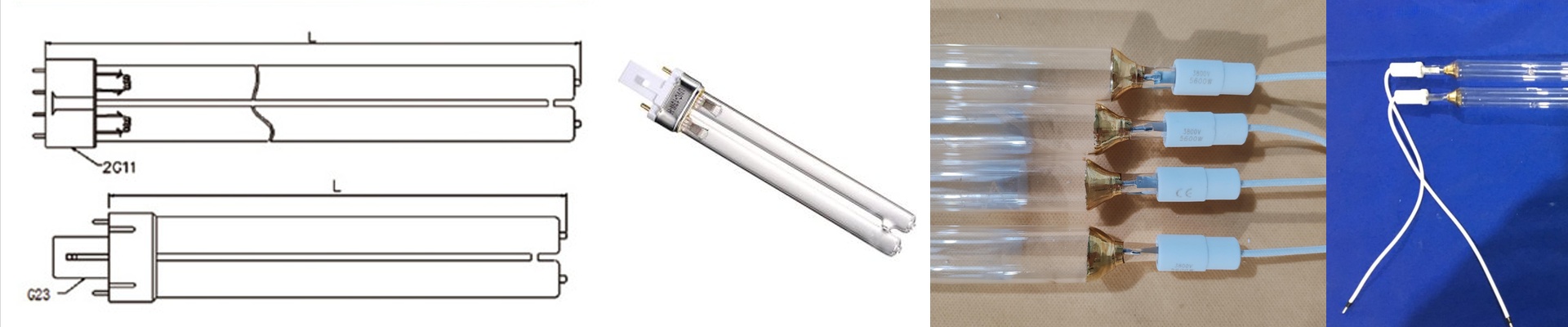
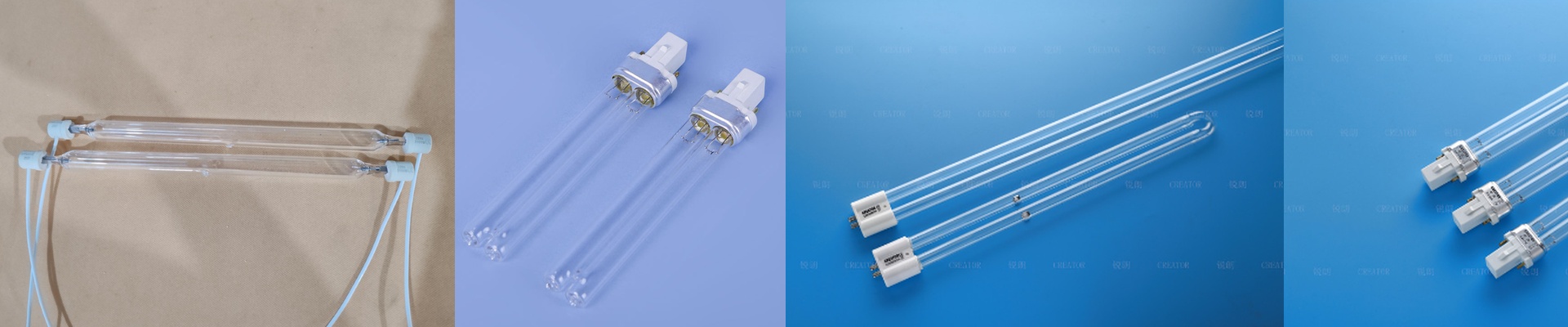
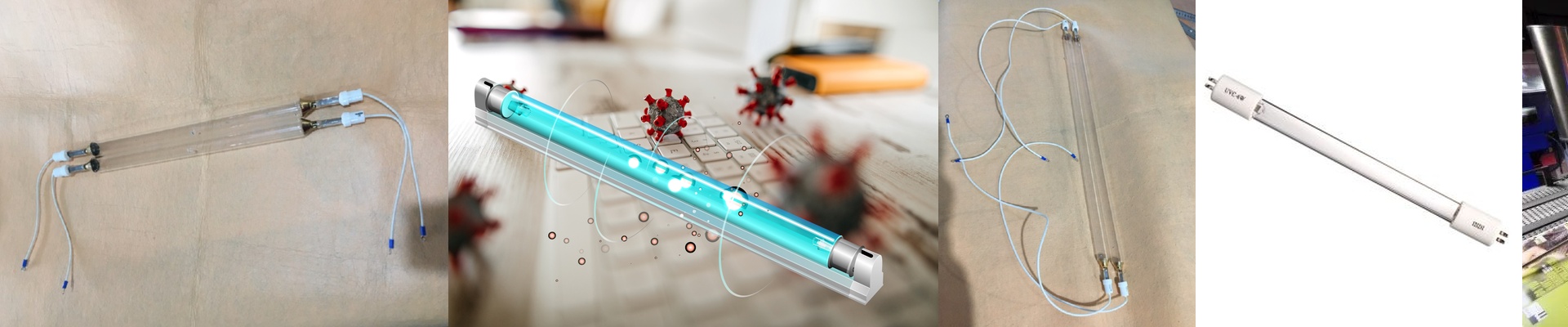
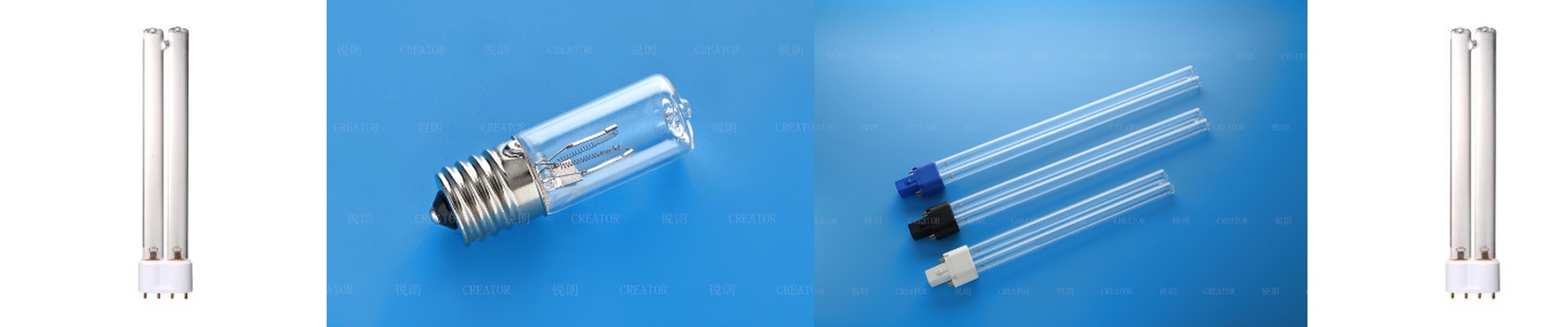
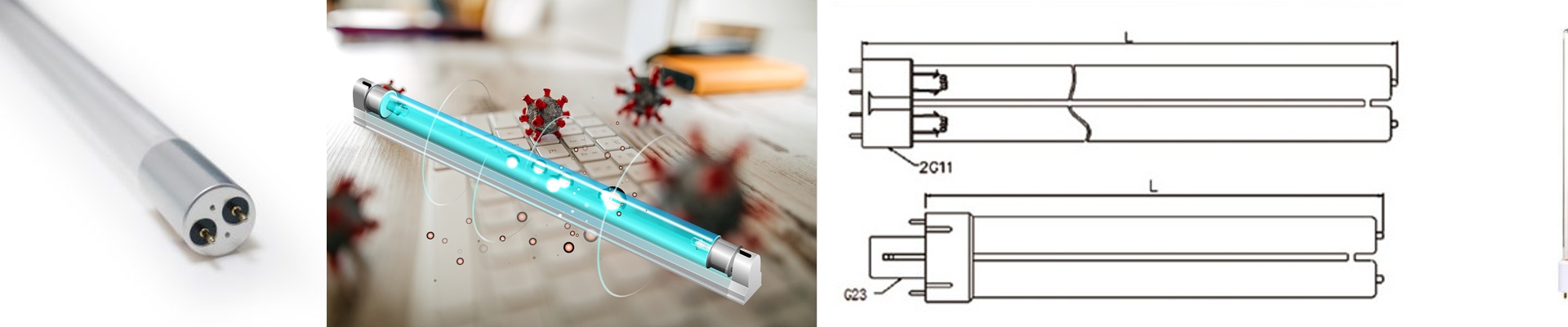
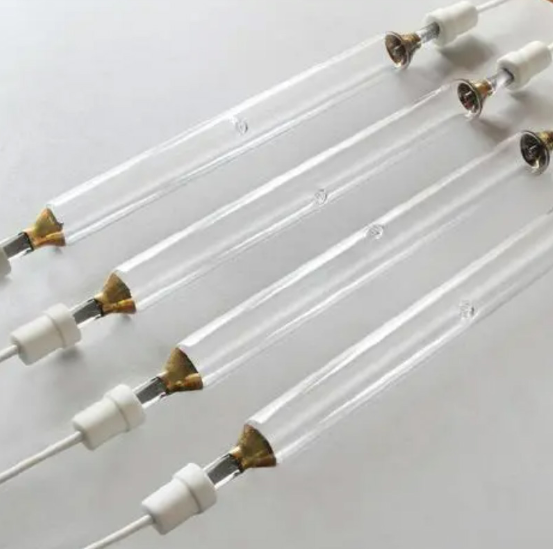
At the 2026 printing show, nobody was asking if UV curing would take over. The real question was which modules could keep running steady without breaking the bank. That’s why our custom UV lamp modules drew a crowd—they cut straight through the trade-off we all live with: control versus cost. Here’s what we build these lamps around: stable spectral output and repeatable energy delivery. We run high-pressure mercury vapor arc tubes and hold peak irradiance in the 365nm and 395nm bands. Reflector efficiency stays at ≥85%, and the dichroic coatings shape the spectrum so you get fast surface cure and cleaner through-cure. On the bench, you’re looking at 1,200 mJ/cm² at the substrate with a 200 mm arc length. Lamp life holds output within 5% over 5,000 hours. That matters when you’re dialing photoinitiator chemistry across offset, flexo, and screen jobs. Consistency is the whole game. On the show floor, printers wanted proof under live conditions. Our modules drop into standard UV retrofit slots and deliver 120 W/cm linear power density, ozone-free. You get rapid cross-linking without scorching thin films or yellowing clears. The upshot: throughput goes up, rejects go down, and you burn less energy per cured meter. If your shop is chasing fast changeovers and repeatable color, that means shorter job cycles and fewer interruptions for lamp swaps. These systems are built to hit a price point, not to over-spec the job. We get there by tuning power density and reflector geometry, not by stacking on extra wattage. Installation is straightforward, but do your homework. Verify your power supply and shutter duty cycle—make sure the lamp matches the printer’s dwell profile. Also confirm your substrate’s thermal limits. Even with ozone-free mercury lamps, you’re still adding heat. Pair the module with a radiometer, and you’ll keep curing in spec shift after shift.