Getting the Wavelength Right: The Truth About High-Pressure Mercury Lamps
We aren’t just making light bulbs here. We’re basically managing energy. Looking ahead to 2026, our big goal is tightening up the spectral output of our high-pressure mercury vapor lamps. Why? Because we want to hit those specific photo-initiator peaks exactly where they need to be. To do that, we have to get a real grip on internal pressure and keep that arc stable.
Power, Pressure, and the Breaking Point
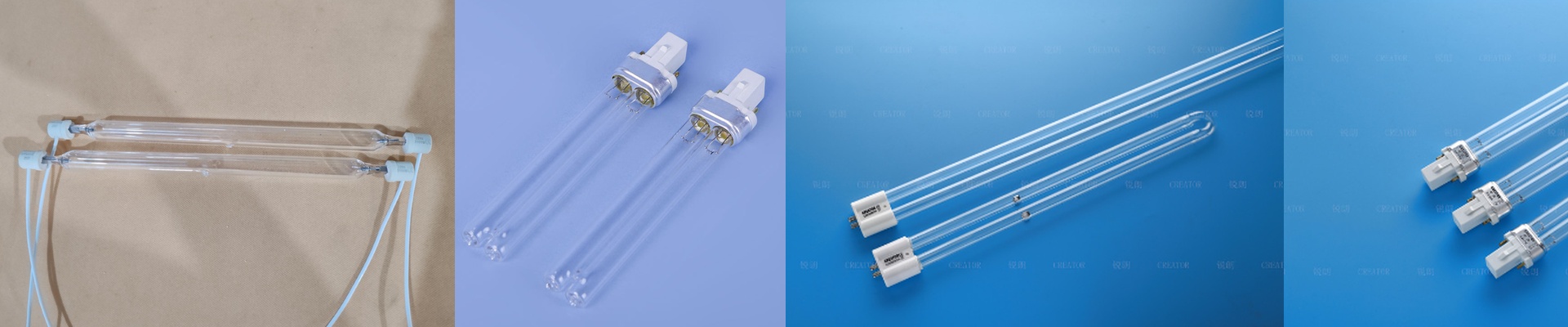
These lamps use a dense plasma arc to create UV radiation. It’s a balancing act. We spend a lot of time obsessing over the wattage-to-length ratio because if we get it wrong, you get “hot spots.” And hot spots are a nightmare. They kill the tube. Here’s the thing: if you cram too much power into a short quartz envelope, you’ll get more irradiance, sure. But you’re also stressing the glass to its limit. If your cooling system can’t pull that heat away fast enough, the quartz softens. Then, the lamp burns out way before it should. It’s a fragile dance.
The Secret is in the Glass
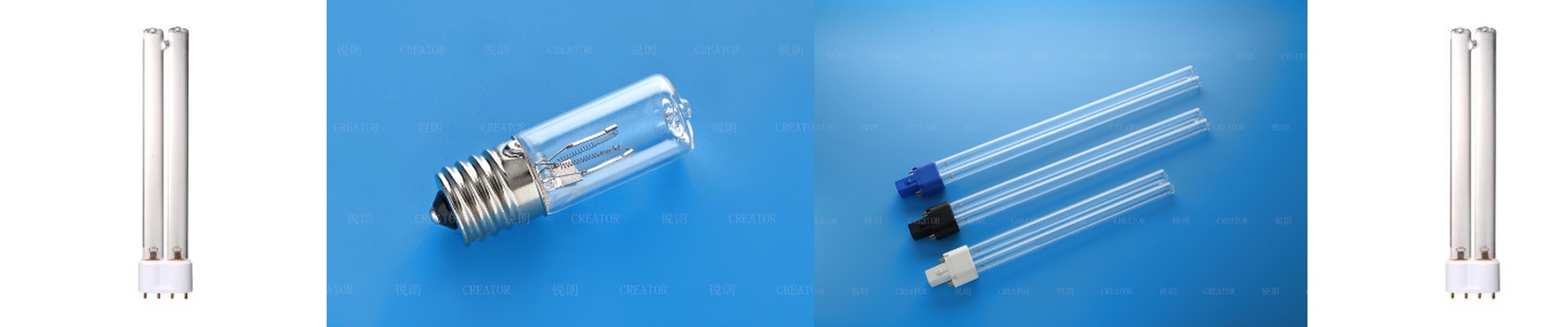
We use high-purity synthetic quartz. We have to. Regular glass just blocks the shortwave UV we’re after. To really dial in the output, we add selective coatings to the inner walls. Think of these as filters. They kick out the infrared heat you don’t want and push the spectrum toward UVC or UVB. The result? You get the exact wavelength you need without accidentally cooking your substrate.
The Real-World Trade-offs
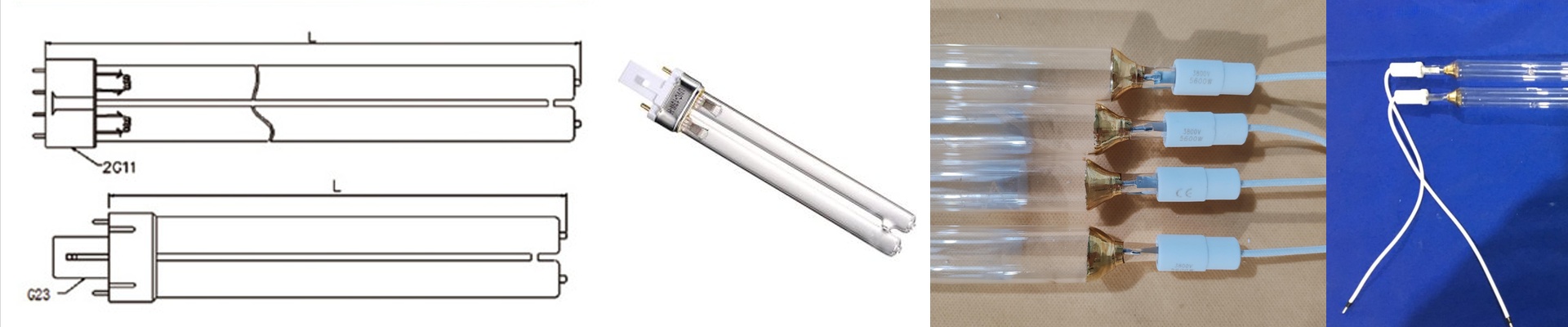
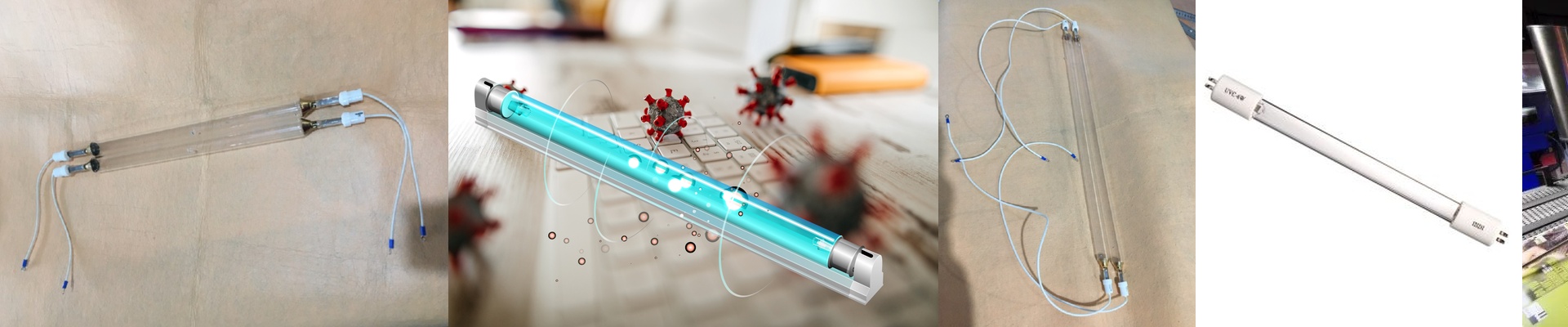
Wiring these things isn’t a “plug and play” situation. You need stable ballasts. If your voltage flickers, the arc starts to wander. Once that happens, your cure isn’t uniform anymore, and you’ve got a problem. I’ve seen plenty of engineers try to over-drive these lamps to speed up their production lines. It works—for a while. You get a faster cure. But you’re basically trading the life of your lamp for a few extra seconds of speed. It’s a gamble. Then there’s the footprint. If you’re squeezing these into a tight space, you have to deal with the ozone. These lamps pump out a lot of O3. If you don’t have a solid exhaust system, your shop floor becomes a health hazard pretty quickly. It’s a simple reality: if you want high intensity, you need high ventilation. No way around it.