Let’s Talk About 80W/cm UV Lamps (And Why “Set It and Forget It” Is Killing Your Efficiency)
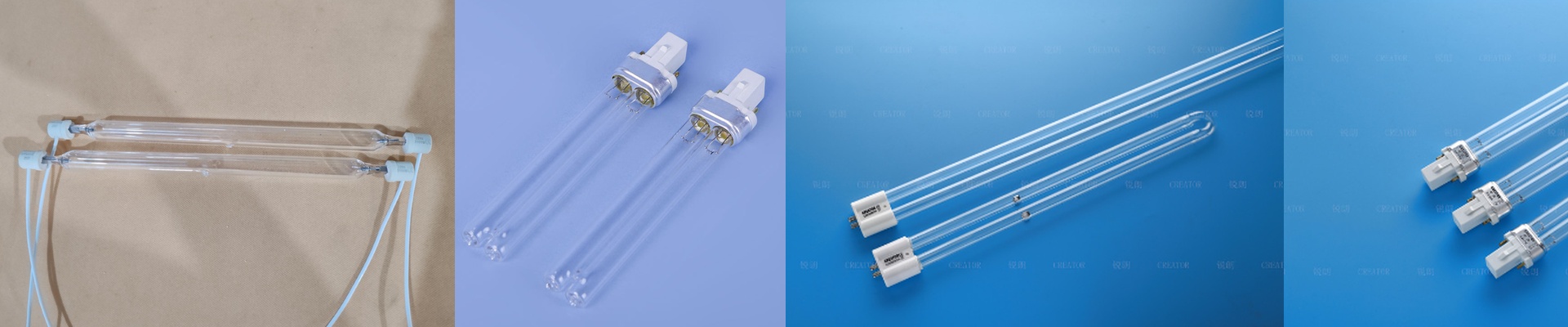
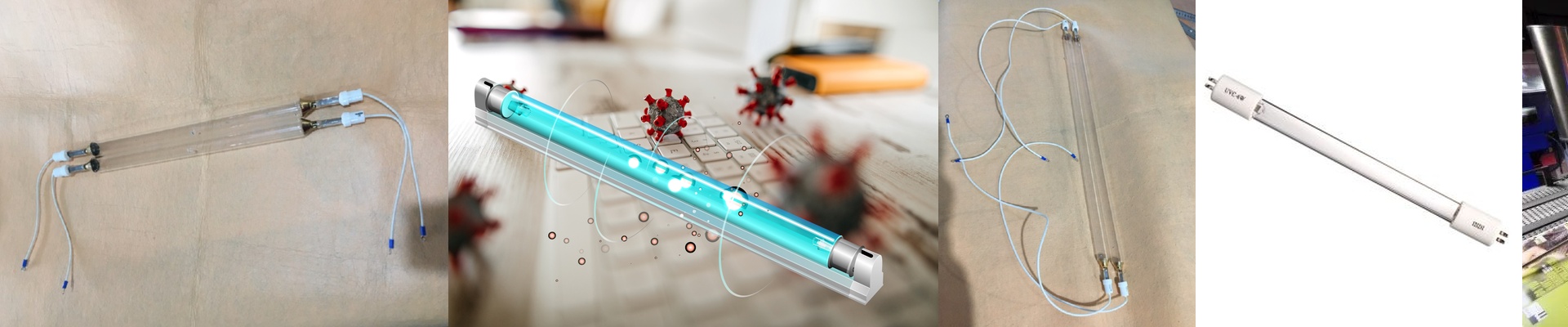
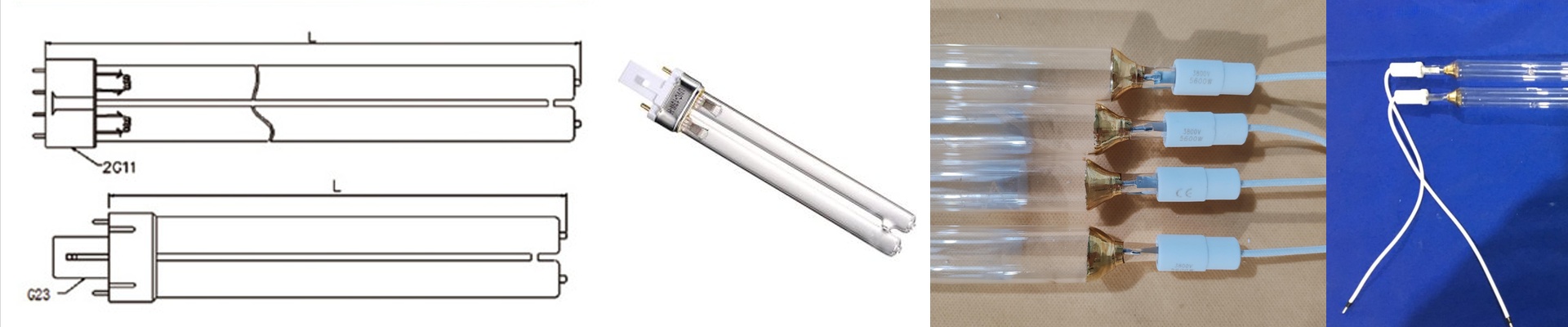
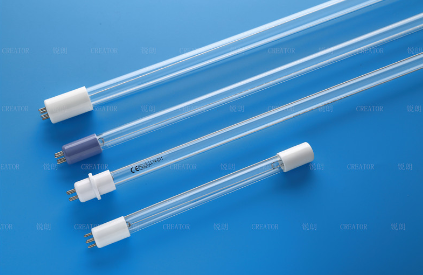
If you’ve spent any time in industrial curing, you know the standard 80W/cm mercury UV lamp. It’s the reliable old workhorse. We build these things to hit a very specific power density so your polymers cross-link properly or your water actually gets sterilized. But here is the problem: most plants are flying blind. Usually, these lamps run on a basic timer. You turn them on, you hope they’re working, and you swap them out every few months. The issue? You have no idea if a tube has burned out early or if the output has drifted. You’re basically guessing.
The Heat Struggle
Working with 80W per centimeter means dealing with a massive amount of heat. It’s intense. To keep that UVC peak stable, the mercury vapor has to be just right. If your ballast isn’t perfectly tuned to the lamp’s impedance, your irradiance will tank way before the lamp is actually “dead.” And please, check your cooling manifolds. If they aren’t spec’d for this kind of heat density, the quartz envelope gets stressed. Then it fails. Fast.
Stop Guessing, Start Monitoring
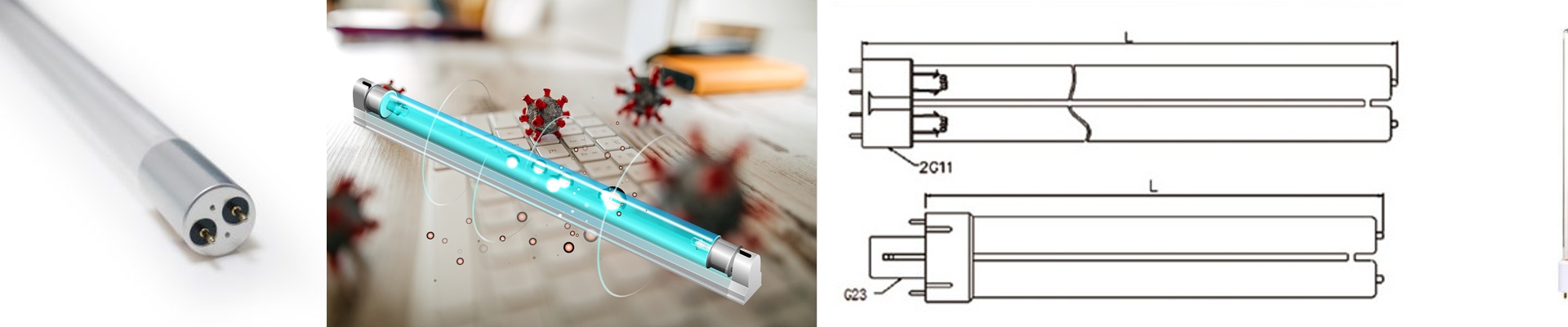
We’re moving toward “intelligent” lighting, but let’s be clear—this isn’t about having a flashy screen or a fancy app. It’s about the raw data. We’ve started adding sensors that track power consumption and spectral output in real-time. Instead of wondering when to swap a lamp, you just look at a telemetry feed. You can see exactly how much energy is being drawn. This helps you find “dark” lamps. You know the ones—tubes that are still pulling current (so they look “on” to the system) but aren’t actually emitting any UV. It’s a waste of electricity to keep heating up a piece of dead glass.
The Trade-off
Now, there’s a catch. Adding this hardware means your control cabinet gets a bit bigger. You’ll need a data gateway to push that info to your PLC or the cloud. Yeah, it costs more upfront. But think about the alternative. No more walking around with a handheld radiometer, trying to take manual checks that happen way too infrequently to be useful. You won’t have to worry about a sudden drop in line speed or a batch of curing failures because a lamp quit on Tuesday and you didn’t notice until Friday.