Getting More Life Out of Your UV Curing Tubes
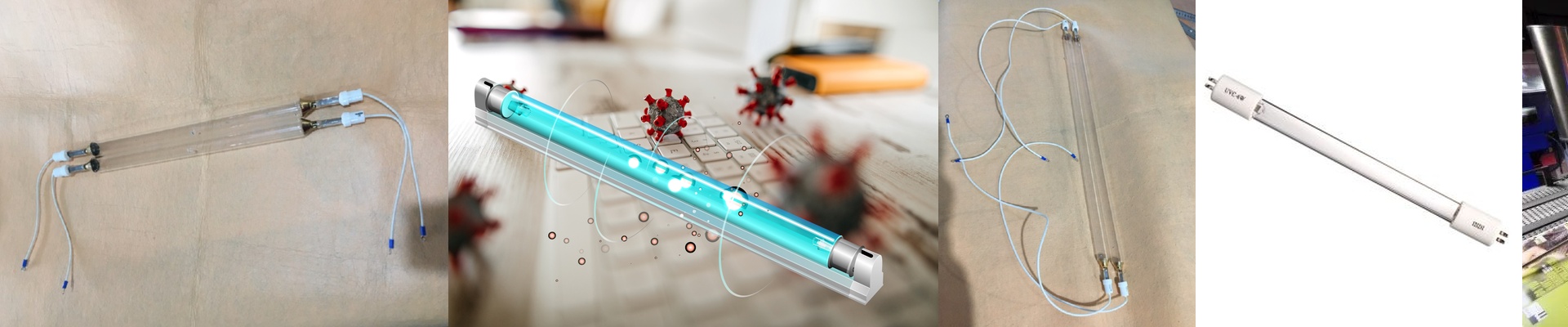
Here is how mercury UV tubes actually work: they excite mercury vapor to create short-wave radiation. That radiation hits your UV-curable inks and triggers a reaction that turns liquid resin into a solid film almost instantly. If you’re running a small or mid-sized shop, you just want a consistent cure speed. You don’t want to spend a fortune on those massive industrial arrays that cost more than your car.
Why the Glass Matters
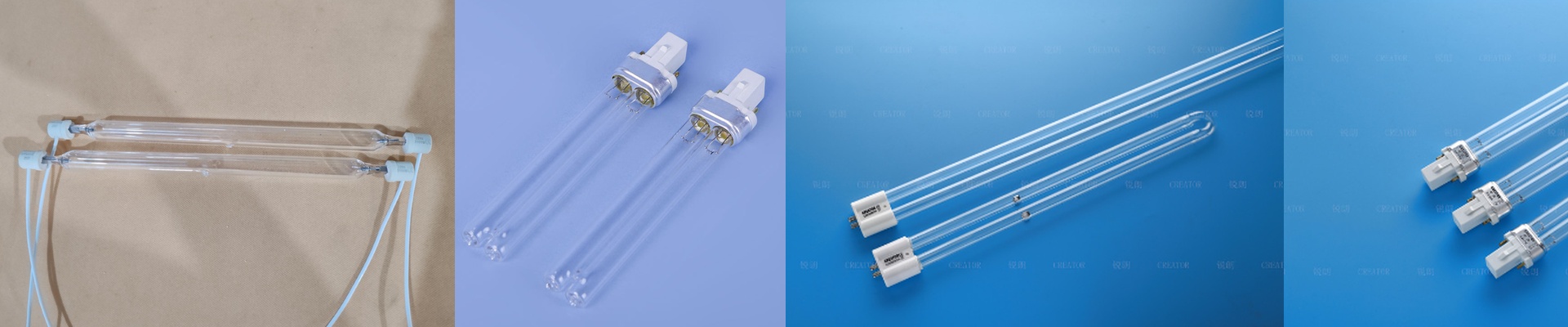
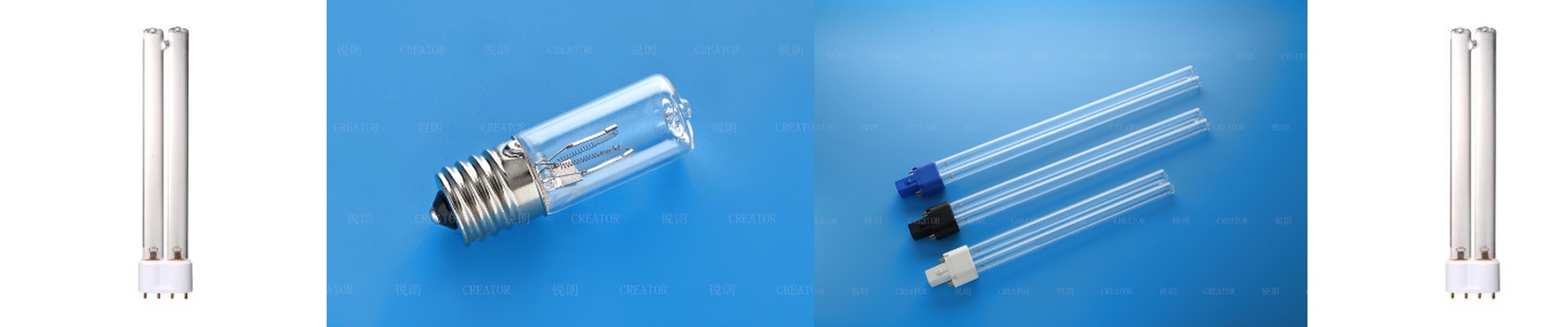
We use high-purity fused quartz for these tubes. Why? Because standard glass just blocks UV rays. Quartz lets them fly right through. But the real secret to making a tube last is in the electrodes and the purity of the mercury. You’ve probably seen that “blackening” that happens at the ends of a tube. That’s usually what kills the output, often long before the gas itself is actually gone. We focus on stopping that from happening so you aren’t replacing bulbs every few weeks.
The Heat Struggle
It’s all a balancing act between power and heat. When you’re picking a tube for a custom rig, you have to match the wattage to how fast your line is moving. More wattage means a faster cure, but it also means way more heat. If your cooling fans can’t keep up, the quartz overheats. That leads to two things: the tube burns out way too early, or your substrate starts warping. We’ve designed these to hit a sweet spot. You get enough UVC output to dry modern inks, but not so much thermal stress that the tube dies in a few hundred hours.
Making it Work for Small Shops
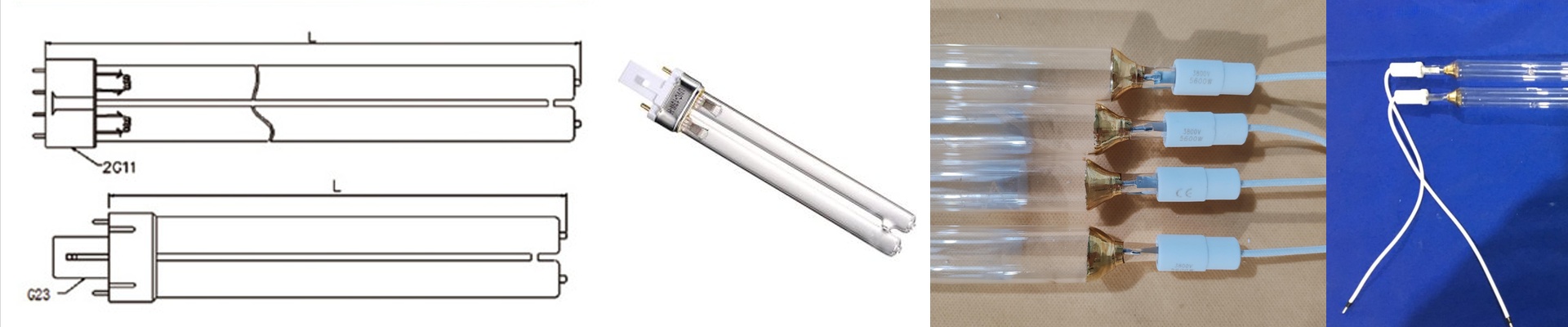
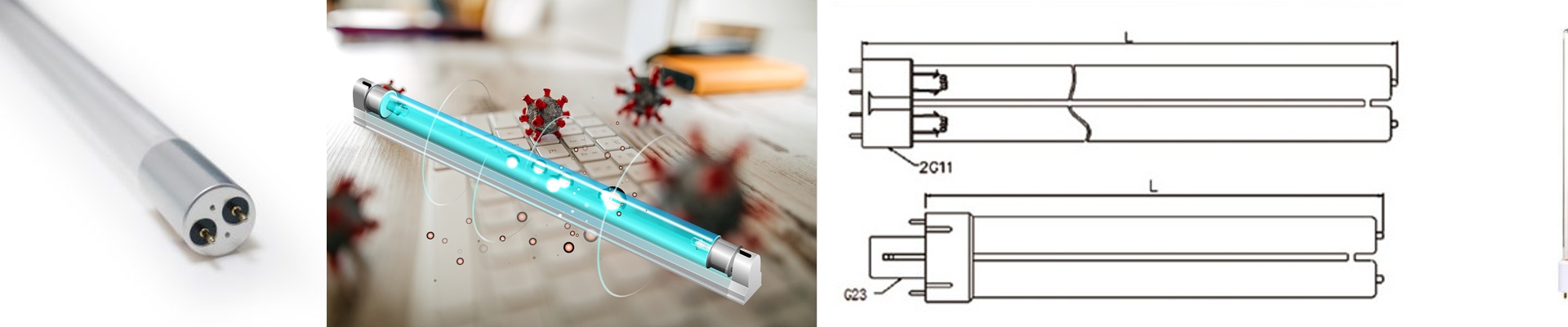
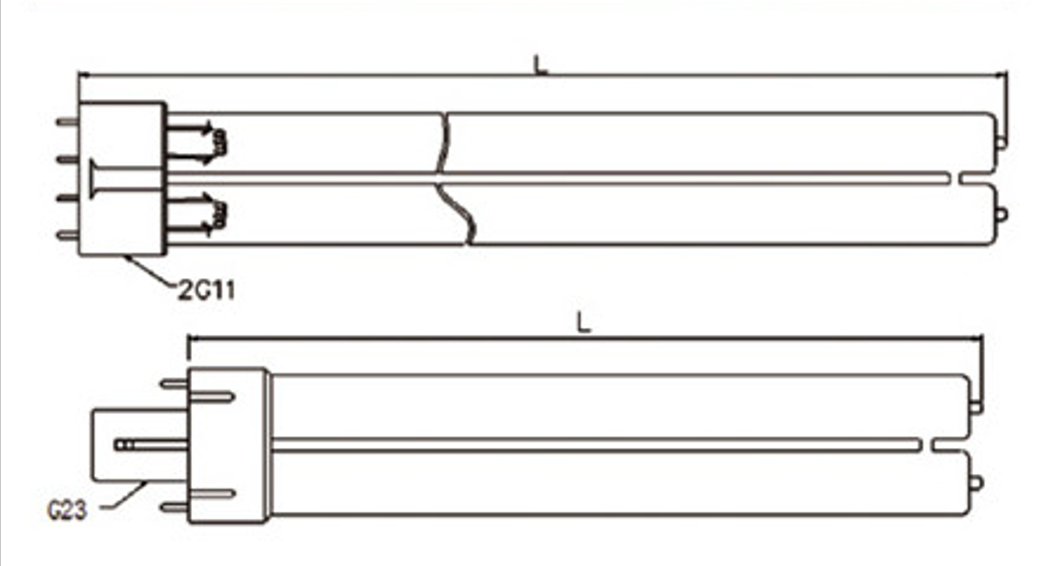
Most small shops aren’t using “out of the box” setups—they’re running custom rigs. That’s why we make these as drop-in replacements. We keep the lengths precise and the connectors standard. This means you can just wire them into your existing ballasts. You don’t have to tear down your entire curing station or spend six figures on a total equipment overhaul. You just swap the tube and get back to work.