Stop Guessing with Your UV Lamps
Most UV lamps are basically blind. You flip the switch, cross your fingers, and just hope they’re putting out enough power to actually kill the germs. You stay in the dark until the bulb finally dies or an alarm starts screaming at you. It’s a stressful way to run a line. But we’re finally moving past that. The new way of doing things is all about remote energy monitoring—basically giving your system a brain so it can tell you exactly how it’s doing in real-time.
How the magic actually works
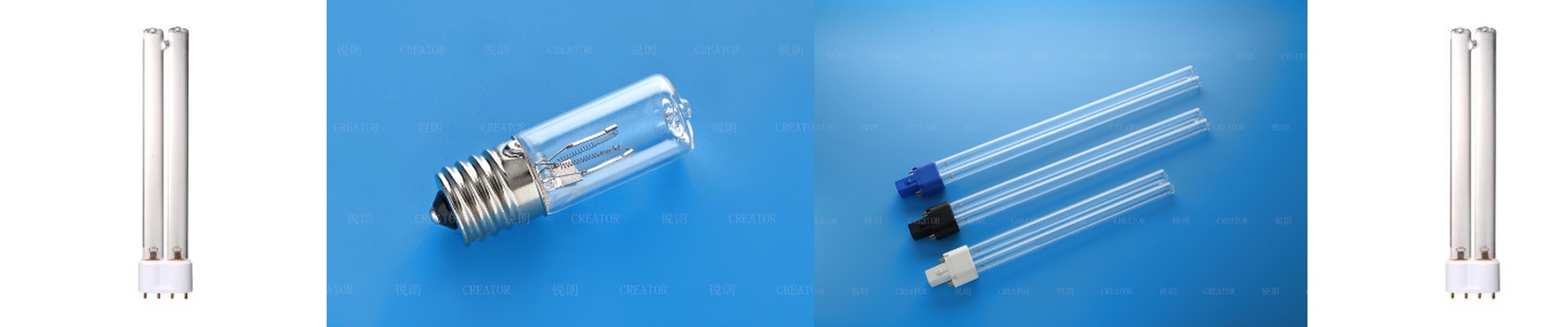
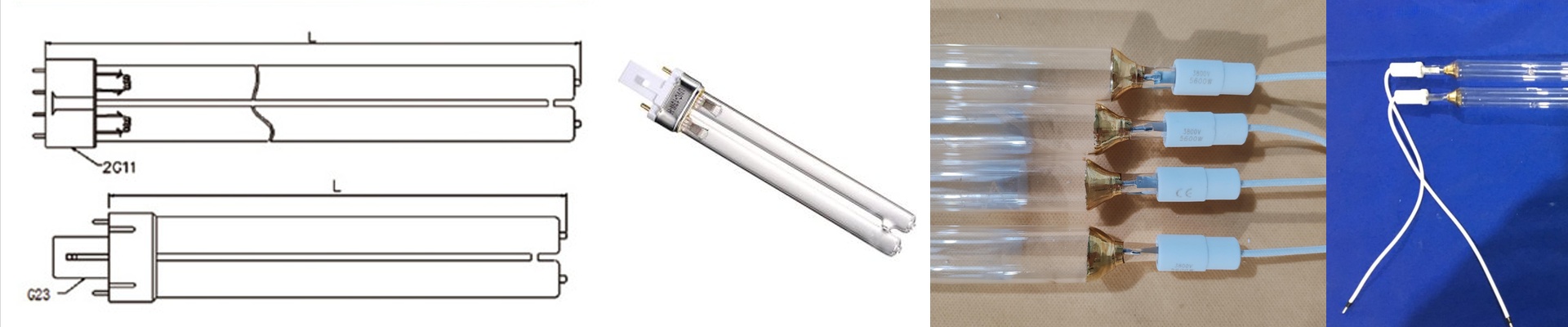
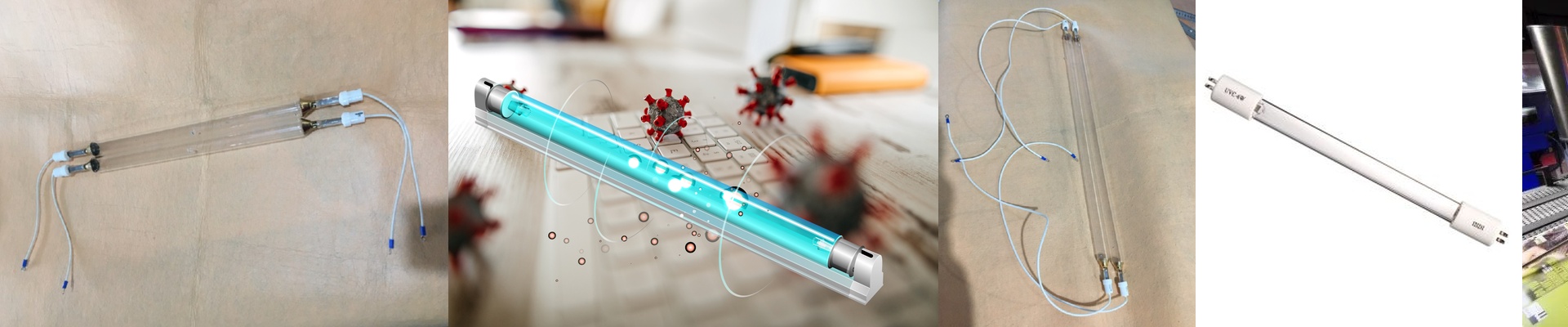
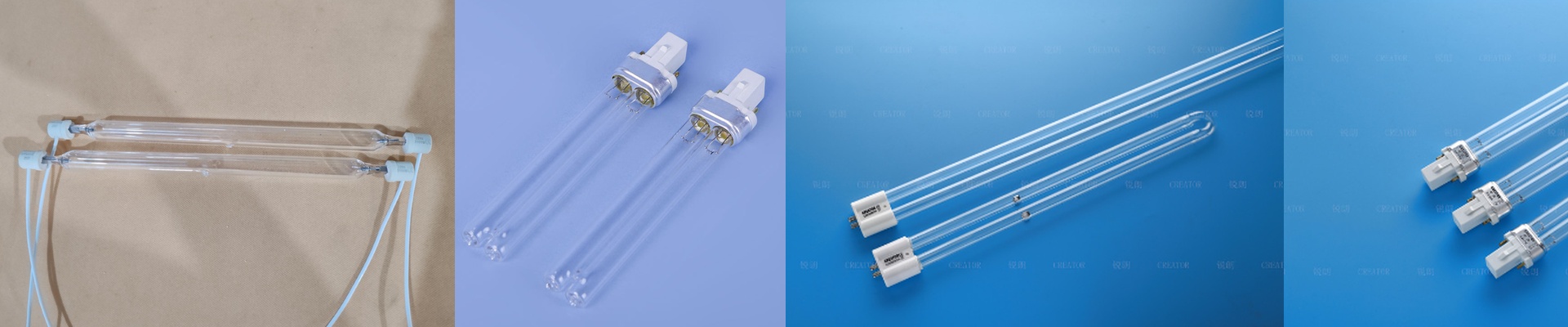
Here’s the thing about high-output germicidal lamps: they don’t just stay at one steady power level. As the electrode wears down and the gas inside shifts, the electrical draw changes. By putting IoT controllers right into the ballast, we can watch the wattage. If the power dips below a certain point, it’s a red flag that the bulb is about to give up. Instead of finding out the hard way, you get a ping on your phone or computer before the sterilization actually fails.
The honest trade-offs
Now, this isn’t just a “plug and play” situation. Adding this kind of monitoring means the power supply takes up a bit more room. You can’t just tape a sensor onto an old ballast and call it a day. You need a redesigned driver that can actually talk to your network via Modbus or MQTT. It makes the initial wiring a bit more tedious, and you’ll need a solid network backbone across your facility. If your Wi-Fi or ethernet is spotty, this won’t work.
What this means for the team on the floor
For the engineers, this is a huge weight off their shoulders. No more staring at a calendar and replacing bulbs just because “it’s Tuesday.” That old way usually means throwing away about 20% of a lamp’s life for no reason. Now, you replace them based on how they’re actually performing. It stops those scary “dark spots” from appearing in your curing line. Your maintenance crew stops guessing and starts scheduling their day based on the actual health of the quartz tube. It’s just… easier.