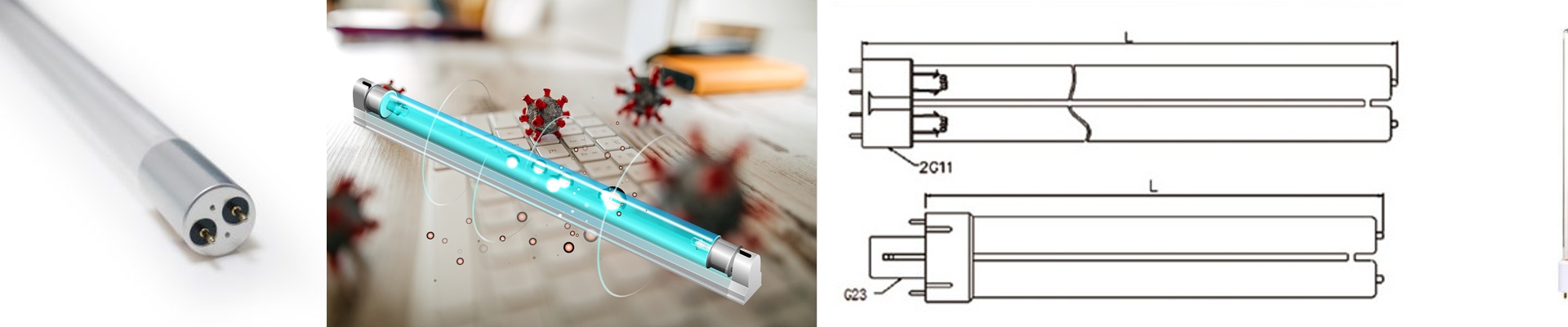
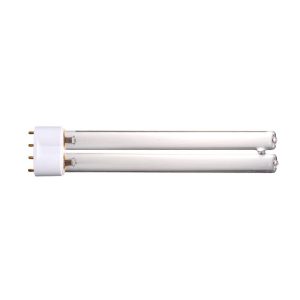
Let’s Talk About Mercury UV Bulbs
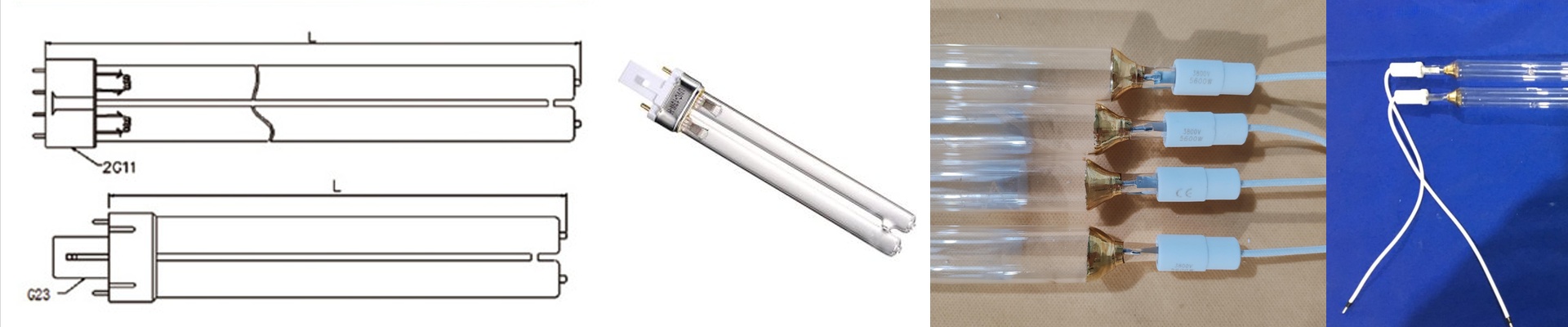
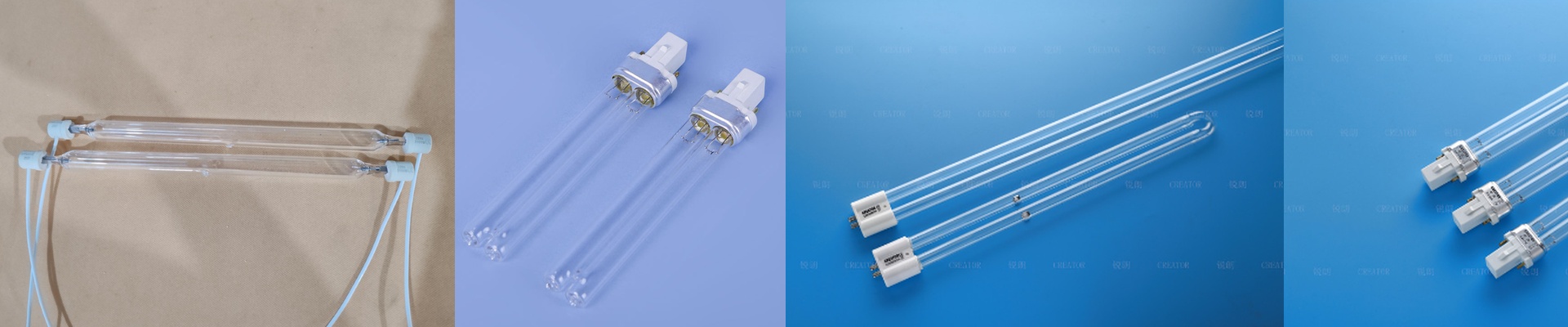
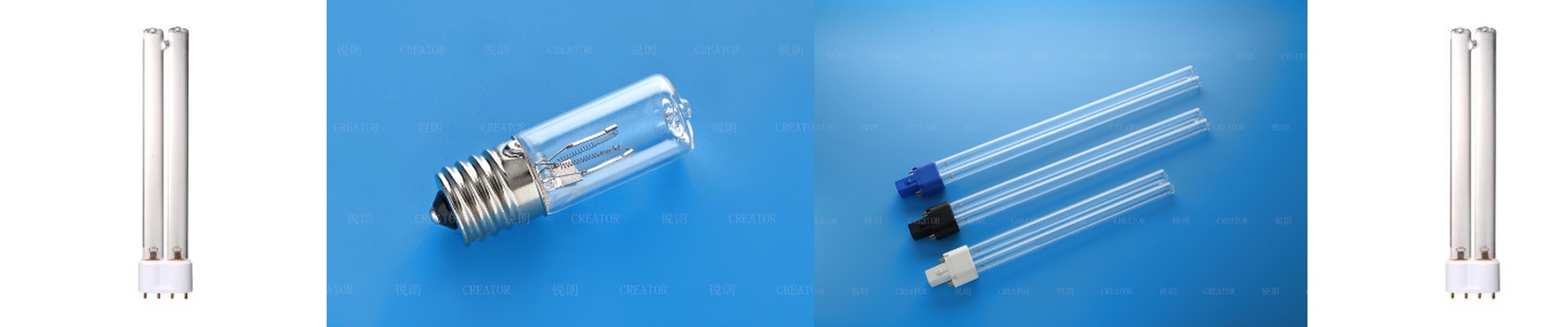
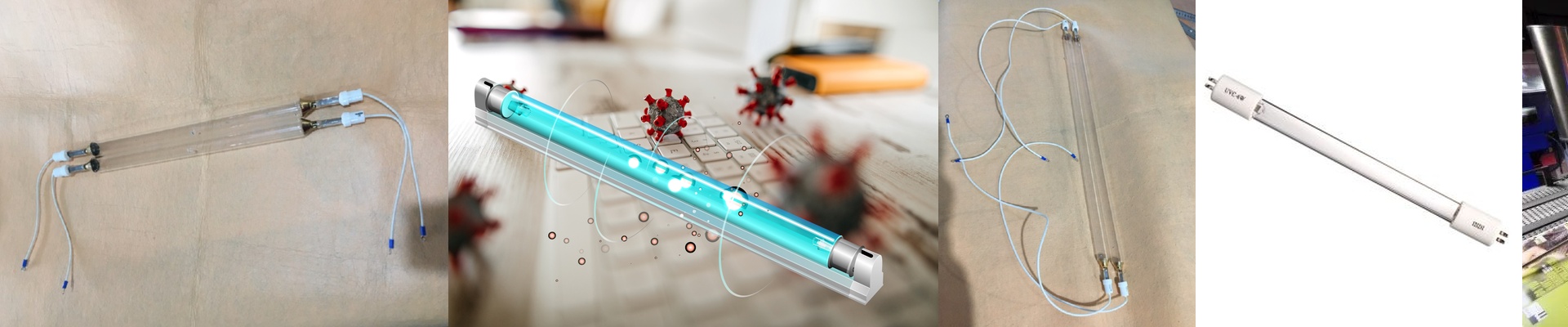
If you’ve spent any time in a print shop, you know that mercury UV bulbs are basically the backbone of the whole operation. They do the heavy lifting. The way they work is pretty straightforward: an electrical arc hits the mercury vapor, and out comes a blast of ultraviolet light. That light hits your wet ink or coating and—snap—it turns from a liquid to a solid in a heartbeat. It’s a bit like magic, but it’s actually just some very precise physics. The Heat Struggle Here is the thing about power. You want your prints to cure fast so you can keep the conveyor moving, right? To do that, we pack as much wattage as possible into the tube. But there’s a catch. More power means more heat. These lamps put out a lot of infrared radiation. If your cooling fans are dusty or your water-jackets aren’t doing their job, things get messy. You’ll either scorch your paper or burn out your bulb way sooner than you should. It’s a constant balancing act. Why the Glass Matters We don’t use just any glass here. We use high-purity fused quartz. Why? Because regular glass would just soak up the UV rays instead of letting them hit the ink. We also obsess over the internal pressure. If the mercury isn’t just right, the arc starts to wander. That’s how you end up with those annoying “stripes” across your print where some spots are cured and others aren’t. Plus, we keep the end caps tight. We want these to be a simple drop-in replacement so you aren’t fighting with your rig for an hour just to change a bulb. Real Talk for the Small Shops I know that for a lot of smaller shops, custom UV setups are just too expensive. That’s why we stick to standardized specs. You get a reliable, punchy light output that handles almost any standard UV ink without breaking the bank. Just a couple of tips to keep your gear alive: First, give them time to warm up. If you’re flicking the switch on and off all day, you’re going to kill the electrodes. Second, make sure you’re using a stable ballast. Voltage spikes are the enemy here—one big surge and that quartz tube is gone. Keep the power steady, and these bulbs will take care of you.