Stopping the Flicker: Dealing with EMI in Industrial UV Systems
If you’ve ever run a few large printing presses in one building, you know the headache. It’s an electrical minefield. Between the heavy motors and those high-frequency power supplies, there is so much “noise” in the air that your UV lamps start acting up. They flicker. They shut down for no reason. It’s frustrating, and it kills your productivity. We build our lamps specifically to survive this kind of chaos.
Dealing with the Noise
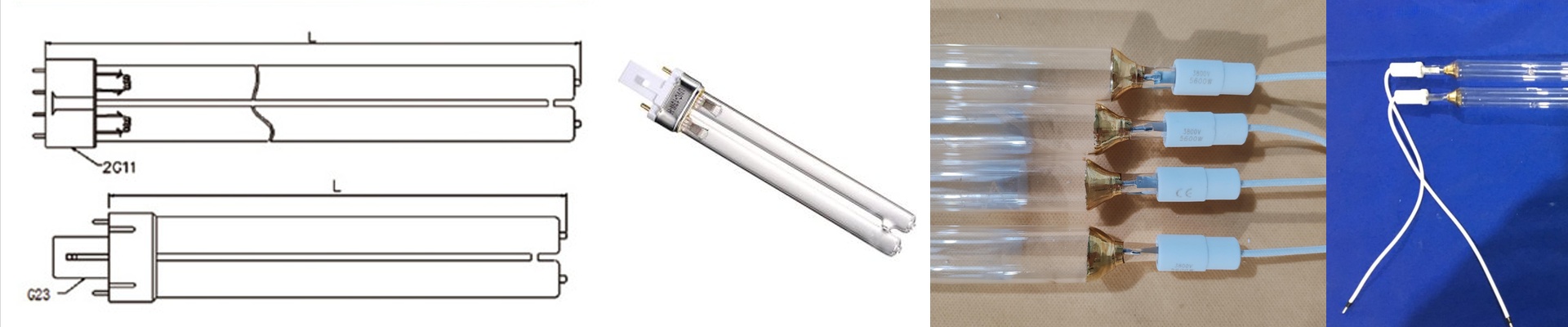
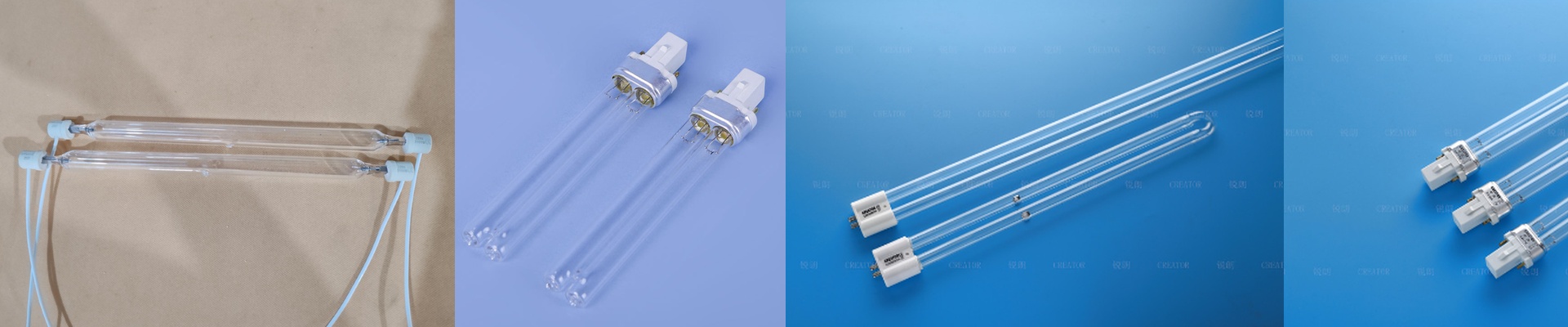
The secret to a stable UV system comes down to how the ballast and the lamp handle sudden voltage spikes. We spend a lot of time on the shielding and the grounding path. By using high-grade dielectric materials and keeping the electrode assembly tight, we stop those annoying arcs from happening when the machine next to you kicks into high gear. It gets rid of that “stutter” you see in cheaper tubes whenever the factory power grid decides to act moody.
Real-World Stress Tests
A lot of lamps look great in a clean lab. But a lab isn’t a shop floor with ten presses screaming at full tilt. Our lamps keep their light output steady even when the electrical noise hits its peak. We use reinforced quartz and a specific gas fill to keep the plasma stable. It just works. But here is the honest truth: our lamps are tough, but they aren’t magic. They can’t fix bad factory wiring. If your grounding loops are a mess, no lamp on earth is going to stay stable. You’ve got to make sure your power distribution is actually up to spec if you want your tubes to last.
Keeping the Line Moving
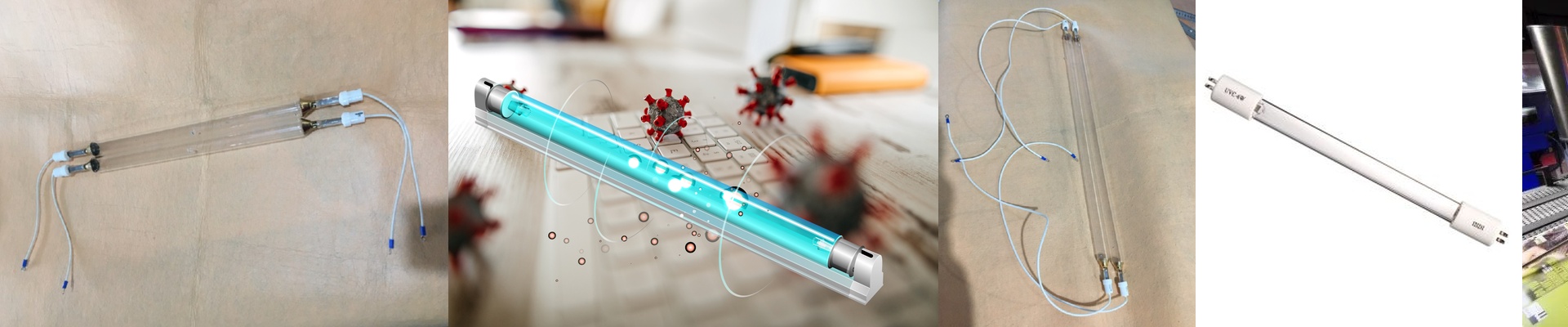
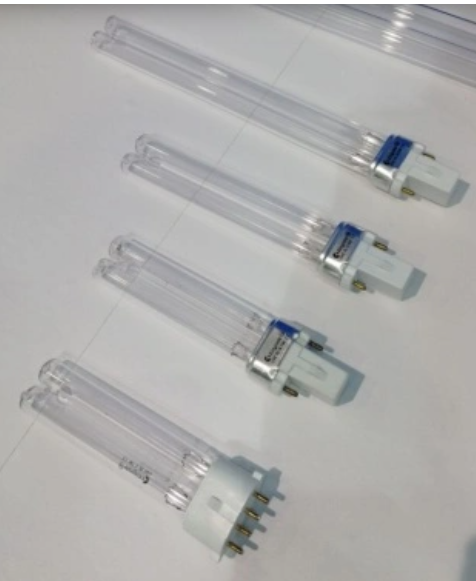
We designed these to be simple drop-in replacements for standard lines. No fuss. The goal is simple:uptime. When a lamp doesn’t flicker, you don’t get ink curing failures. You don’t waste expensive substrates. We put extra focus on the bond between the lamp pin and the socket so you don’t lose voltage during high-speed runs. It means your line keeps moving. No constant resets. No staring at a dead lamp while the clock is ticking.