Getting the UV Spectrum Just Right
In the world of industrial automation, there’s a frustrating gap between a part that’s perfectly cured and one that still feels tacky to the touch. Usually, that comes down to how the light is distributed. We spent our last R&D push trying to tighten that spectral energy concentration by just 0.5%. Now, that sounds like a tiny number. But in the real world, it’s the difference between the photons actually hitting the photo-initiators and just heating up your parts for no reason.
The science of not wasting energy
We messed around with the gas mixtures and the electrode shapes to narrow the emission peak. Here’s the thing: when you cram the energy into a tighter band, you stop wasting so much as infrared radiation. Instead of heating up your conveyor belt or the part itself, the energy actually goes into the curing. It also fixes that annoying “skinning” problem. You know the one—where the top layer dries instantly and traps solvents underneath? Tightening that spectrum by 0.5% pretty much kills that effect.
Fitting it into your line
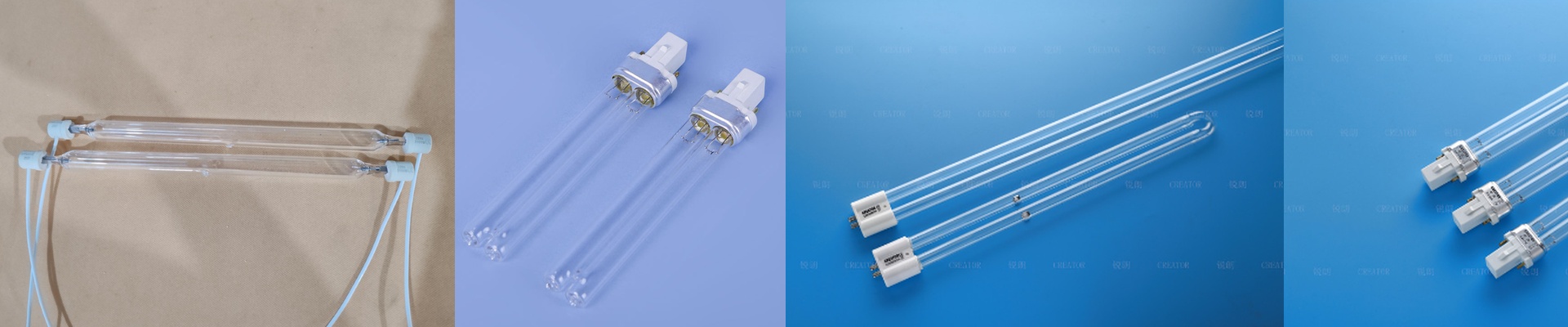
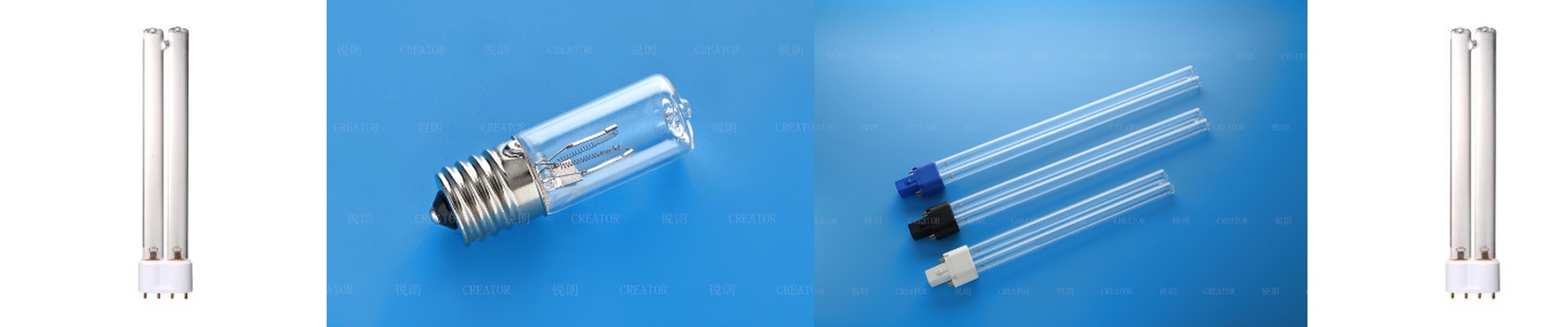
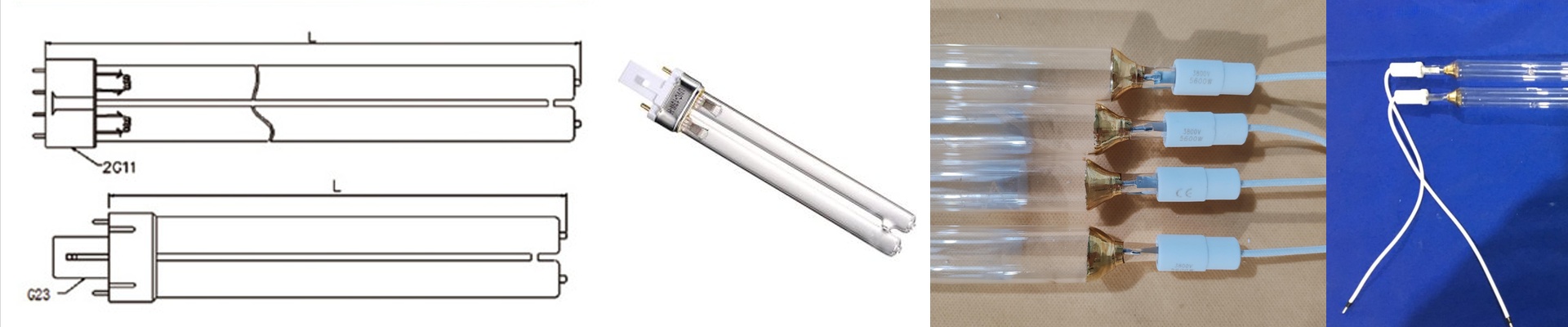
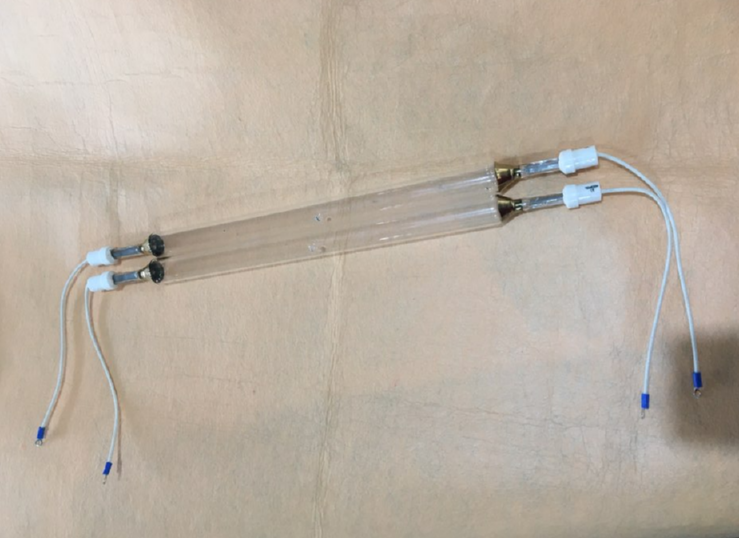
These lamps are designed to drop right into your existing automation lines. But because the energy is more concentrated, the heat profile changes. We use high-purity quartz envelopes to keep the transmission rates high. You’ll notice the output feels more intense. Because of that, you’ve got to make sure your cooling fans can handle the extra heat at the lamp head. If your airflow is blocked or weak, the envelope temperature will spike, and your lamps won’t last nearly as long.
Real-world results
We built these for high-speed lines where you’re counting dwell time in milliseconds. By tightening the spectrum, you get a choice: you can either crank up your line speed or dial back the total power draw. It takes the guesswork out of the process. As long as you keep your reflectors clean of dust and overspray, you get a consistent cure across the entire part. Every single time.