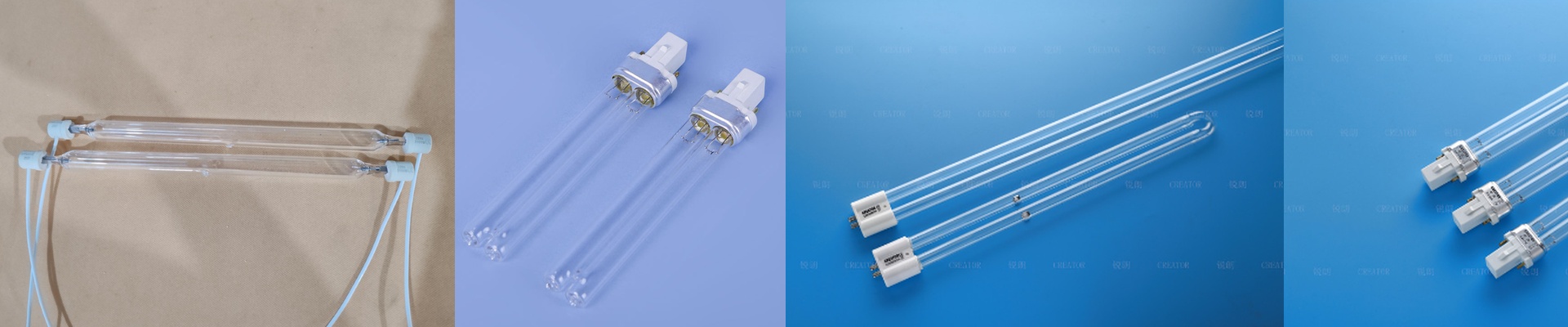
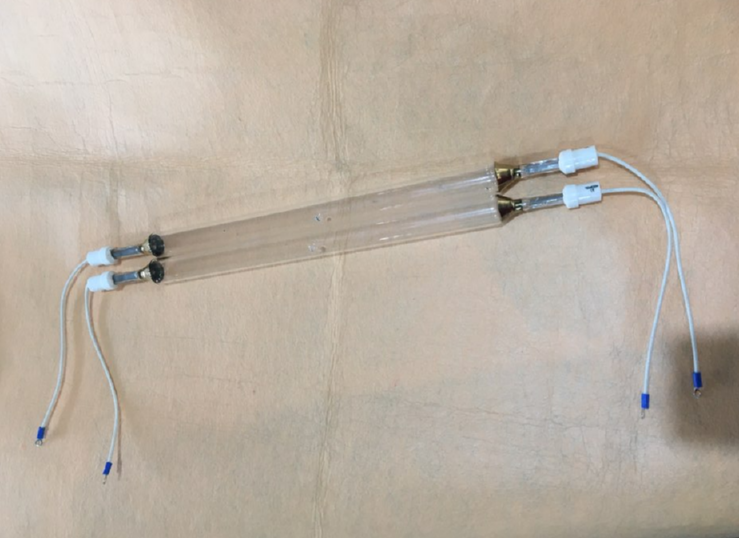
Stop Fighting Your UV Gear: The Case for Modular Hardware
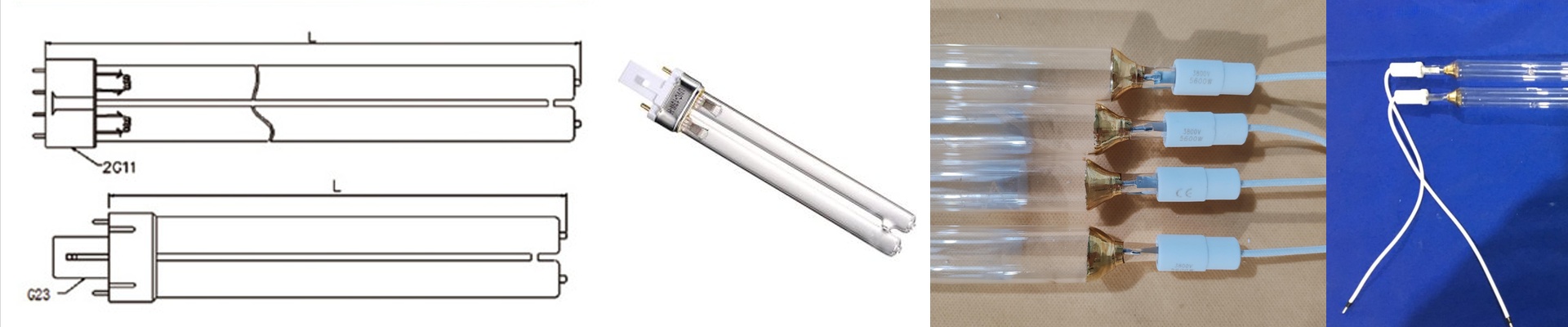
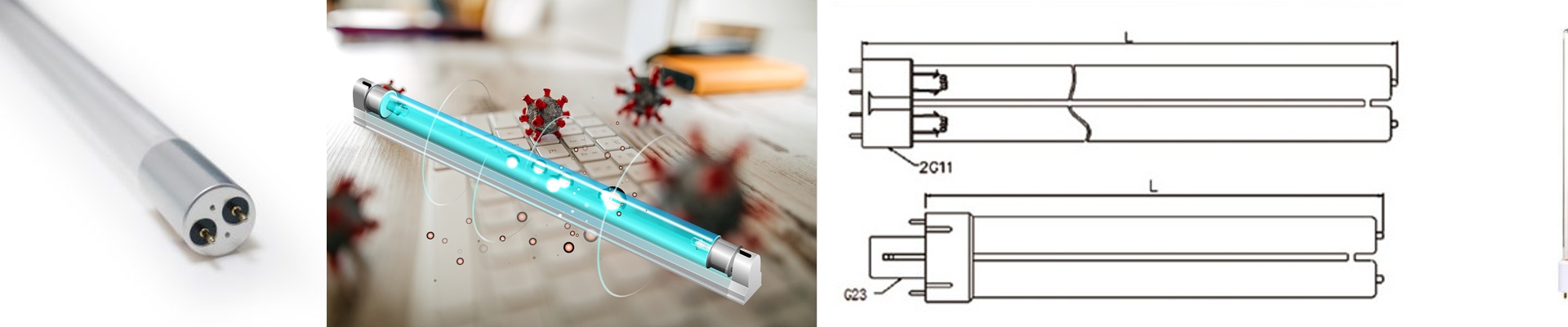
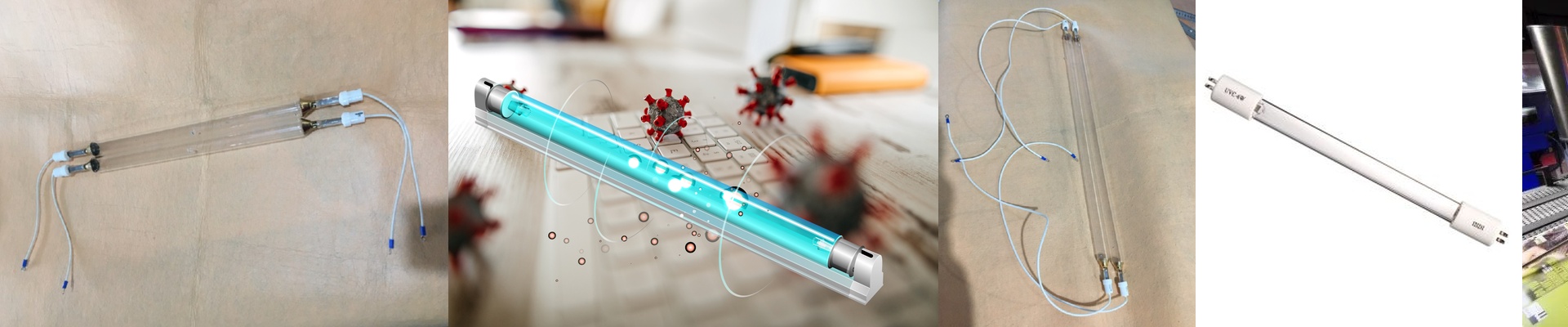
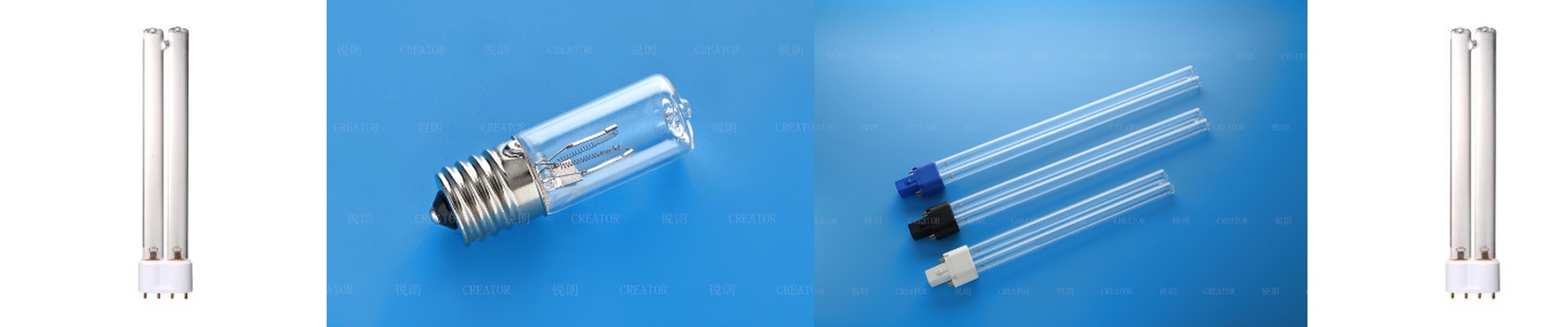
Most UV curing setups are a nightmare because they’re too rigid. You buy a lamp, you set it up, and then—surprise—your production line changes or you start using a thicker material. Suddenly, that expensive piece of hardware is just a bottleneck slowing everything down. We do things differently. Instead of forcing you into a “one size fits all” box, we build modular UV systems designed to slide right into your OEM setup. You tell us how much space you have and how fast you need to cure; we handle the heavy lifting on the hardware.
The nitty-gritty of modular power
It all comes down to interchangeable lamp modules. Think of it like a dial. By swapping the wattage or tweaking the distance between the lamp and your conveyor, you control the intensity. Now, here’s the catch: high-intensity modules are great for cranking up your line speed, but they gethot. Really hot. If you aren’t careful, you’ll warp your materials. That’s why we spend time helping you balance the UV output with your cooling fans. It’s about finding that sweet spot where things dry fast but don’t melt.
Your brand, your specs
Our OEM service isn’t some “white label” gimmick where we just slap your logo on a generic metal box. We actually let you call the shots on the electrical specs and the housing. Need a specific voltage to match the power grid in your plant? A weirdly shaped chassis to fit into a tight corner of your machine? Just send over your CAD drawings and we’ll build it. We take care of the messy stuff—the internal wiring and the ballast tuning. You just get a system that fits your brand’s technical vibe and drops right into place.
The honest trade-offs
I’ll be straight with you: modular systems have a downside. More parts mean more connection points. If a modular rail isn’t bolted down tight, those joints can become a problem, especially if your factory floor vibrates like crazy. To stop that from happening, we use industrial-grade fasteners. No shifting, no rattling. And a word of warning: if you try to cram maximum wattage into a tiny housing, you’re going to kill your lamps faster. We’ll work with you to figure out the balance between raw speed and how often you’ll have to stop everything for maintenance.