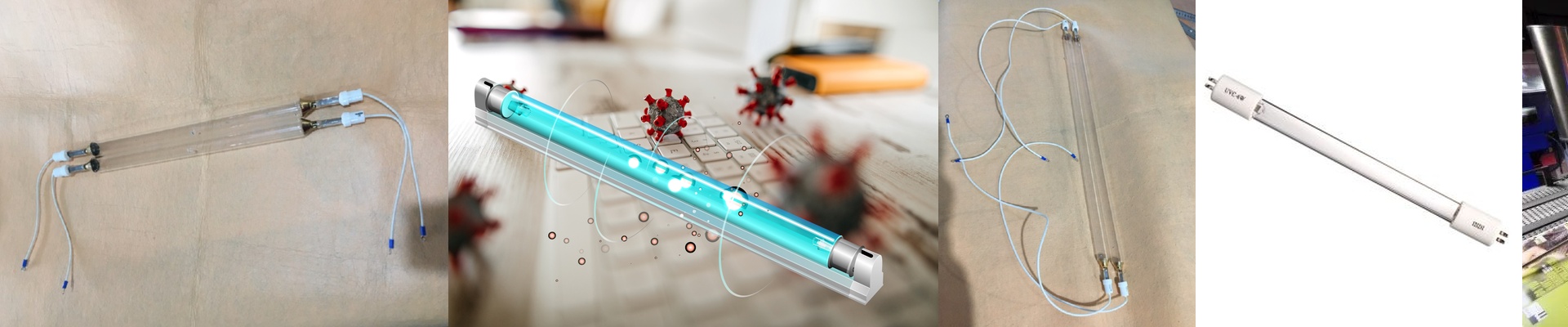
Hitting the Sweet Spot: Why UV Precision Actually Matters
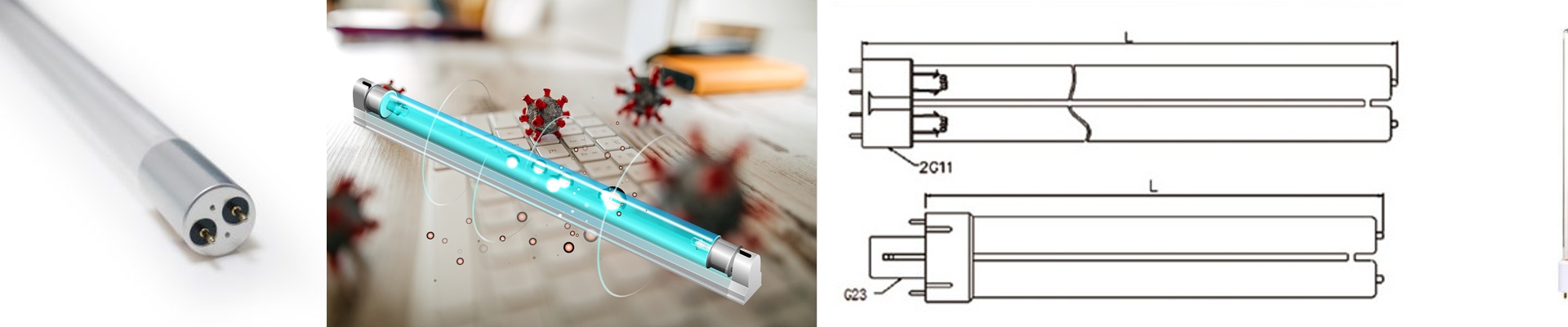
Here is the bottom line: if your UV lamp isn’t hitting the exact right wavelength, you’re basically paying for light that doesn’t do anything. For UV sterilization to actually work, the light has to line up perfectly with the DNA of the germs you’re trying to kill. We spend all our time obsessing over the 253.7nm range. Why? Because if the wavelength drifts even a little bit, you’re just burning electricity to make a glow that doesn’t kill a thing.
The Trick to Better Light
We don’t just throw parts together. We care about where every single photon goes. Most generic lamps are “leaky.” They waste a ton of energy in the 280nm+ range, which is just wasted wattage. We fix this by tightening up the mercury vapor pressure and using incredibly pure quartz. The result? We push the output right into the germicidal center. It means you can actually dial back the total power and still get the same kill rate. You get the same clean results, but your power bill stays lower.
Glass, Heat, and the “Clouding” Problem
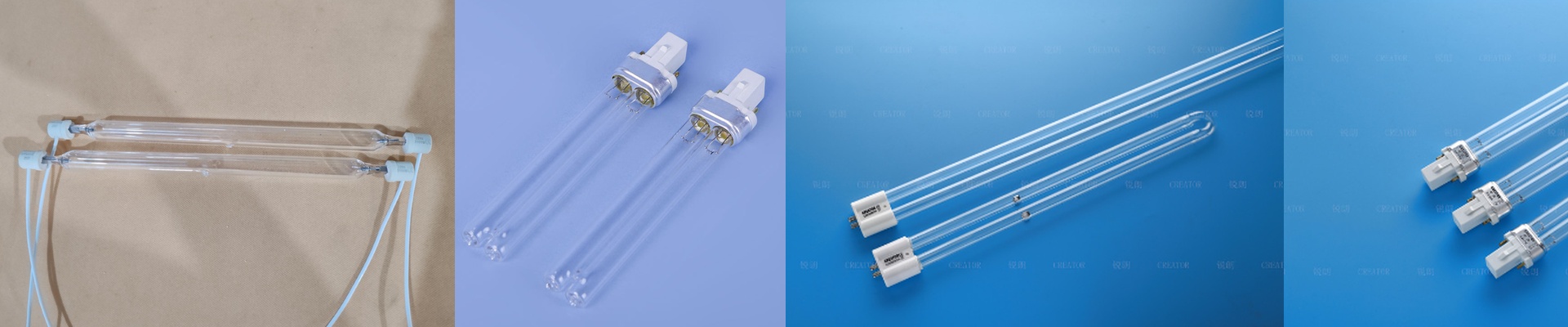
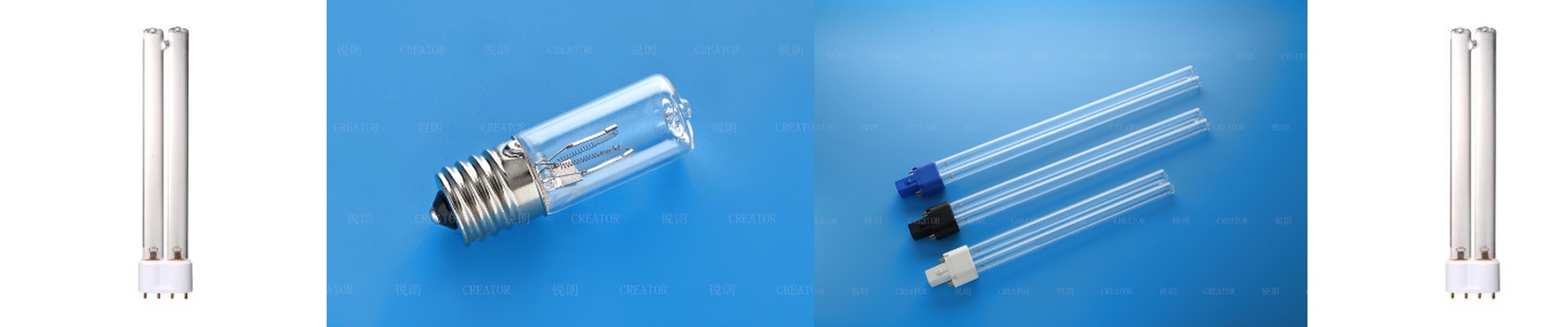
Standard glass is a wall to UVC light—it just blocks it. That’s why we use high-purity synthetic quartz. It lets the photons fly right through without getting trapped. But there’s a catch. Even a little bit of grime on the glass can tank your output by 20%. Plus, there’s this thing called “solarization” where the glass gets cloudy over time. We added specific coatings to stop that from happening, so your lamps stay clear and effective. Then there’s the heat. High-intensity light gets hot. If your housing doesn’t breathe, the lamp temperature spikes, and ironically, your UV output actually drops. You’ve got to make sure your airflow is dialed in to keep the tubes in that happy, optimal window.
A Note for the Engineers
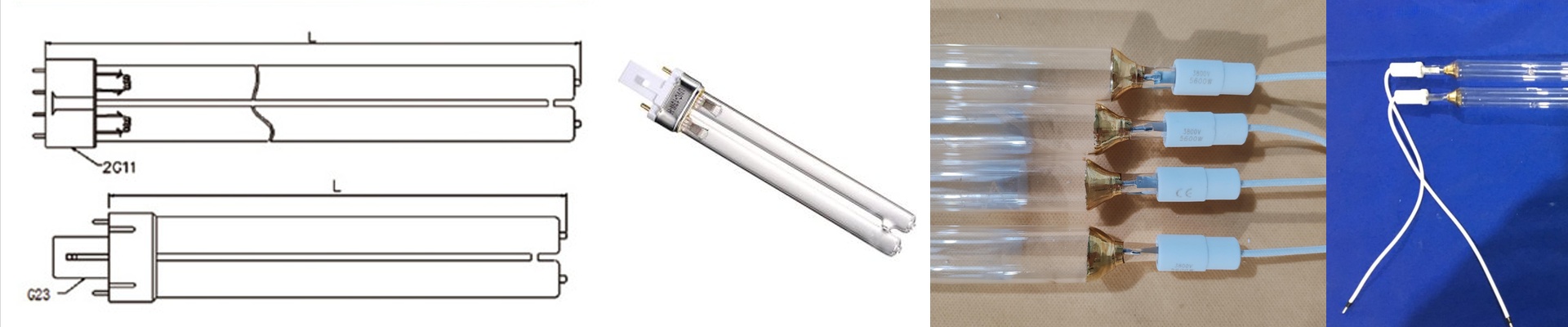
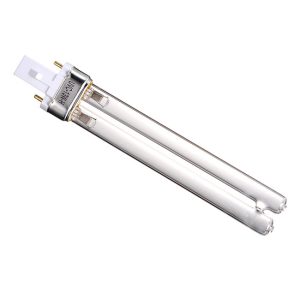
If you’re swapping these into an old system, they’re designed to be simple drop-in replacements. We stripped out all the fluff and focused on raw power. Just a heads-up: double-check your ballast compatibility. If the current doesn’t match, the lamp will flicker and you’ll burn through the lifespan way too fast. Keep the footprint tight, keep your distance to the surface consistent, and let the physics do the heavy lifting.