The Real Deal on UV Curing for Industrial Printing
Ever wonder how a printer can spit out liquid ink and have it be bone-dry the second it hits the conveyor? That’s the magic of UV curing. Basically, we use shortwave ultraviolet light to trigger a chemical reaction that turns liquid monomers into solid plastic—instantly. It’s the only way to keep a factory line moving at high speeds without everything turning into a smeared mess.
Getting the Light Right
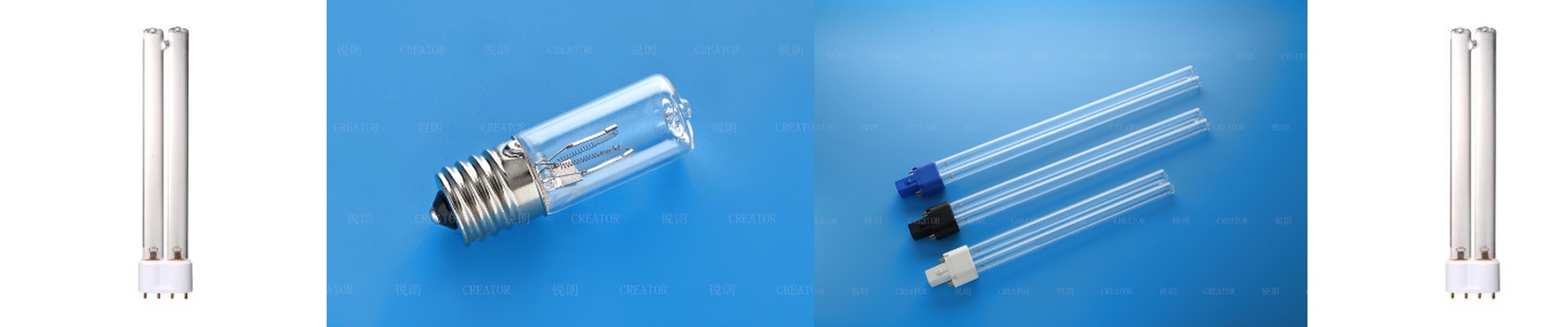
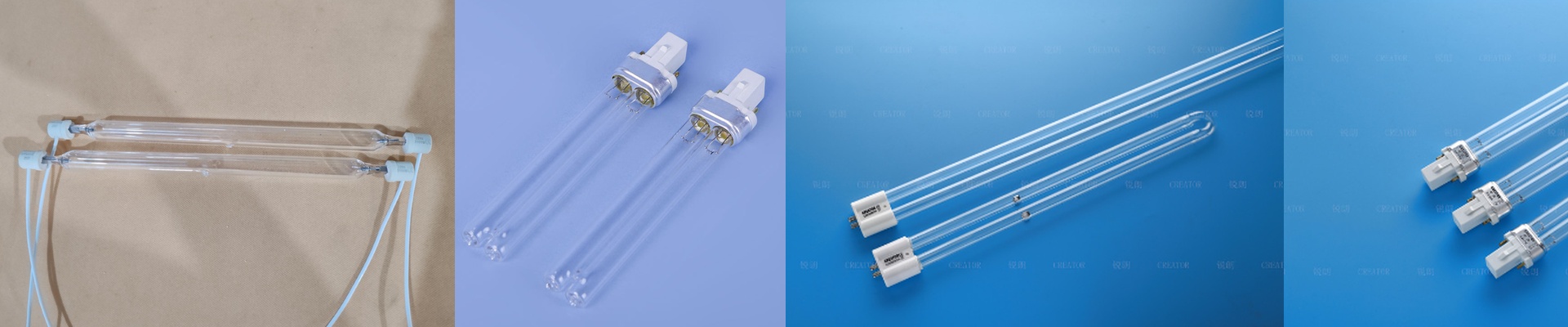
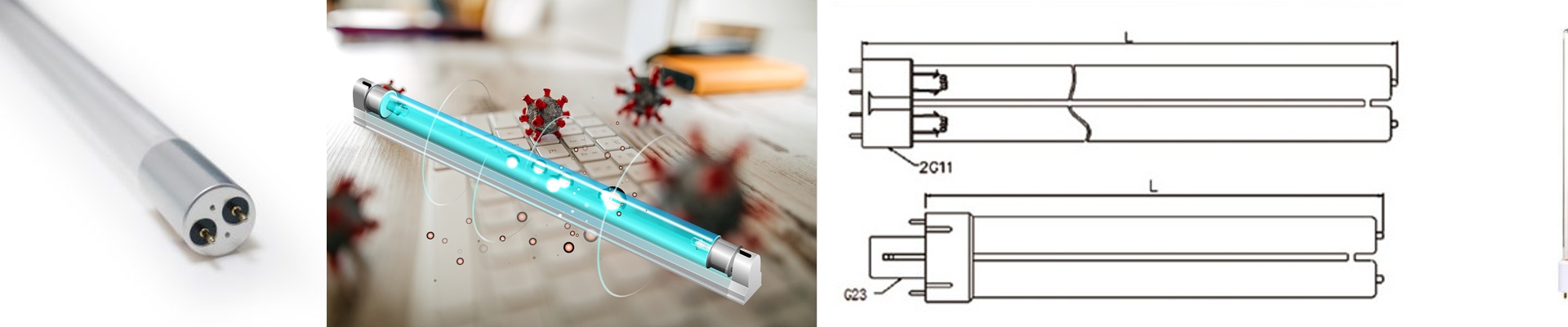
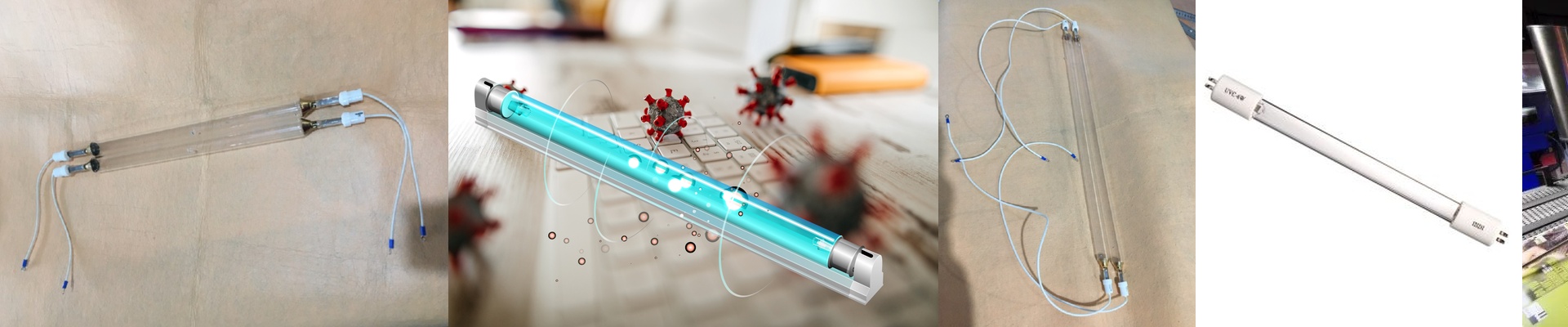
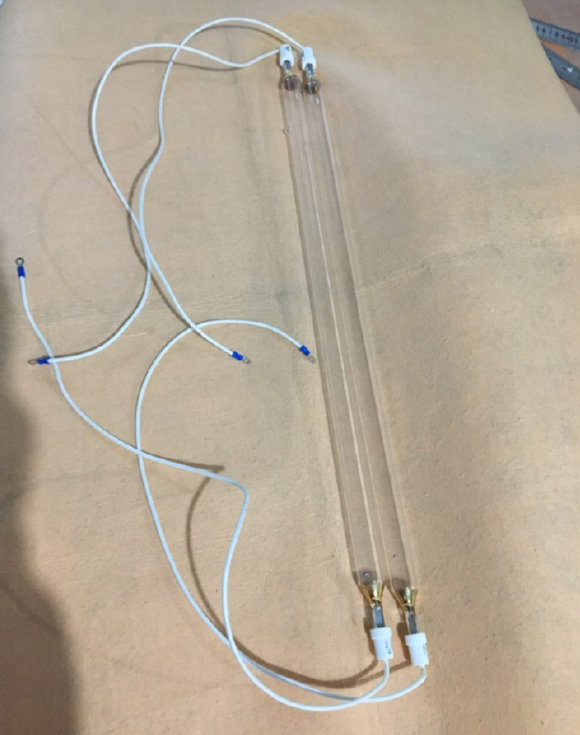
It all starts with the quartz arc tube. We use high-purity fused quartz because, honestly, cheap glass is a nightmare. If there are too many impurities in the glass, the UV energy gets trapped and turns into heat. That’s how you burn out a lamp way before its time. You’ve also got to get the wattage and the length of the tube just right. If those numbers are off, you won’t get enough punch (or irradiance) on the surface of your product, and nothing happens.
The Battle Against Heat
Here is the tricky part: these lamps put out a ton of infrared heat along with the UV light. It’s a lot. To handle this, we use reflectors and special coatings to bounce the UV light back toward your product and away from everything else. But you can’t just “set it and forget it.” You have to nail your cooling system. If your belt is crawling but your lamp is cranking out max power, you’re going to scorch your materials. It’s a constant balancing act between how much power you’re using, how fast the belt is moving, and how much air is flowing through the system.
Keeping Things Running
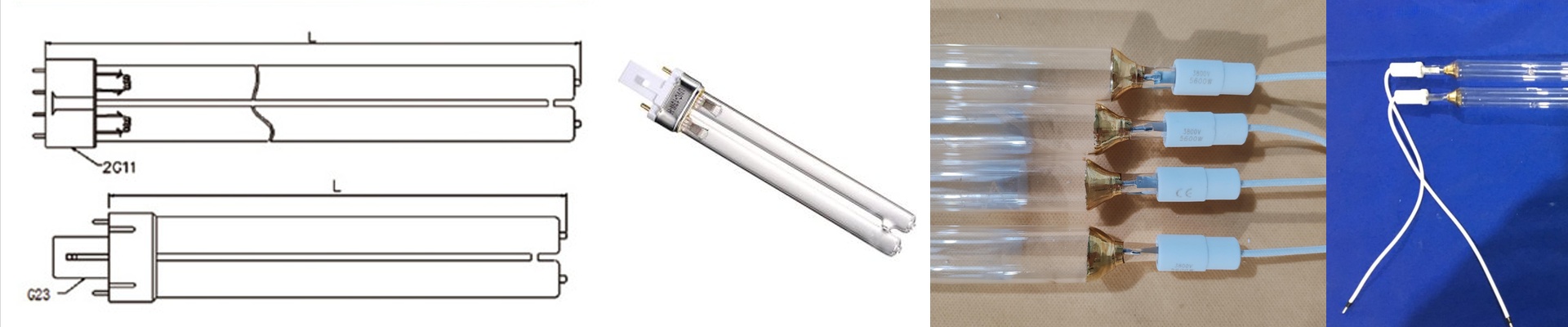
We build these units to be “drop-in” replacements because nobody wants to spend six hours on a teardown. One warning, though:**be obsessive about your electrical connections.**A loose wire at the terminal can cause arcing, and that’s a fast track to a dead lamp. Also, keep a close eye on your operating hours. As the electrodes wear down, the light shifts. You might not see it with your eyes, but the ink knows. If the intensity dips too low, you’ll start seeing “tacky” surfaces or ink that just won’t cure. Swap those tubes out before the output drops. It’s a lot cheaper to replace a bulb than it is to throw away a whole batch of rejected parts.