How We Actually Build Industrial UV Lamps
We’ve spent a lot of time walking the floors of about 3,000 different printing plants. If there’s one thing we learned, it’s this: most UV systems don’t break because the bulb is bad. They fail because the people designing them forgot that a high-speed press is a chaotic, hot, and demanding place to work. It’s a balancing act. You need the power to cure the ink, but you can’t turn your shop floor into a sauna.
The Logic Behind the Power
When you’re trying to dry inks and coatings fast, it all comes down to the light spectrum. We stick with mercury-vapor tech to hit those 254nm and 365nm peaks—that’s the sweet spot for most printing. But here’s the thing: your wattage depends entirely on how fast your conveyor is moving. If you crank up the line speed, you need more punch per inch. You have to make sure those photons actually soak into the coating before the product zooms out of the curing zone. The catch? More wattage means more heat. If your exhaust hoods aren’t pulling that air away fast enough, you’ll end up warping your materials. Not a great look.
Dealing with the Heat
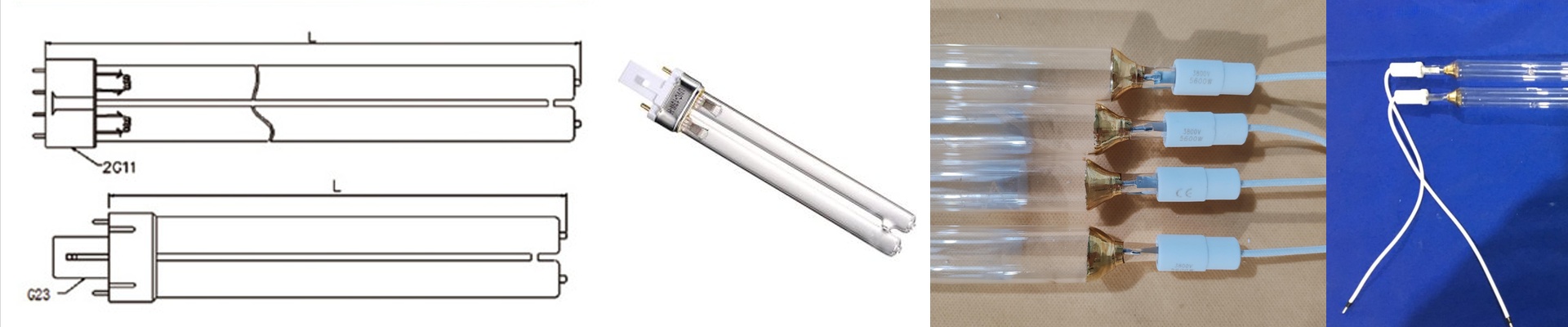
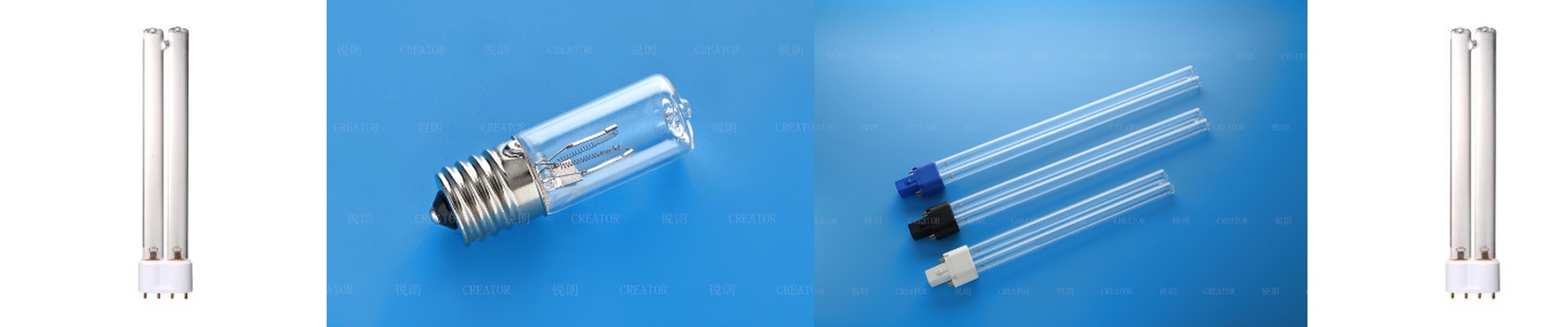
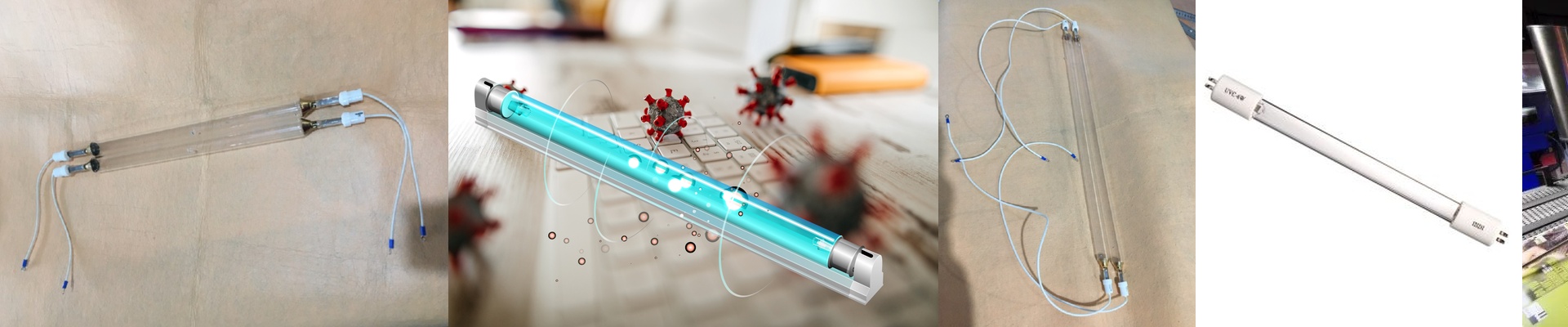
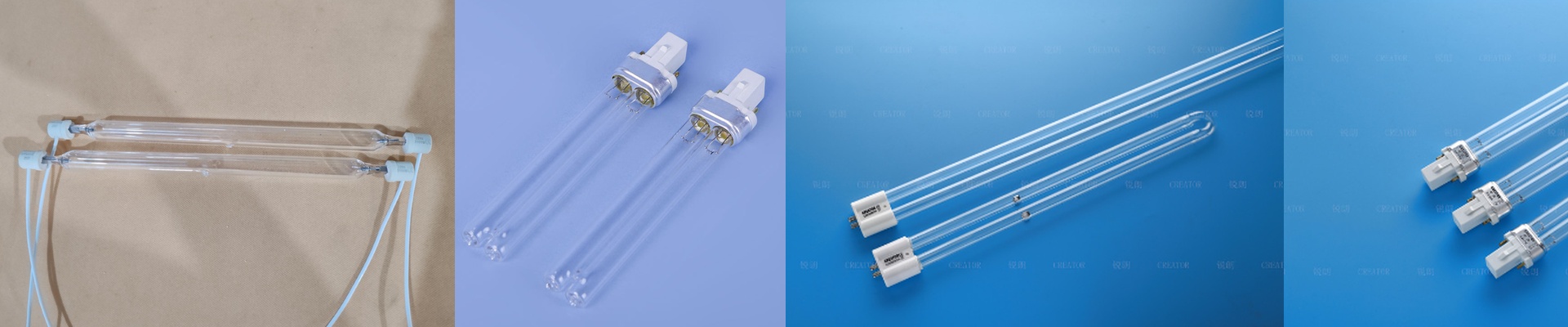
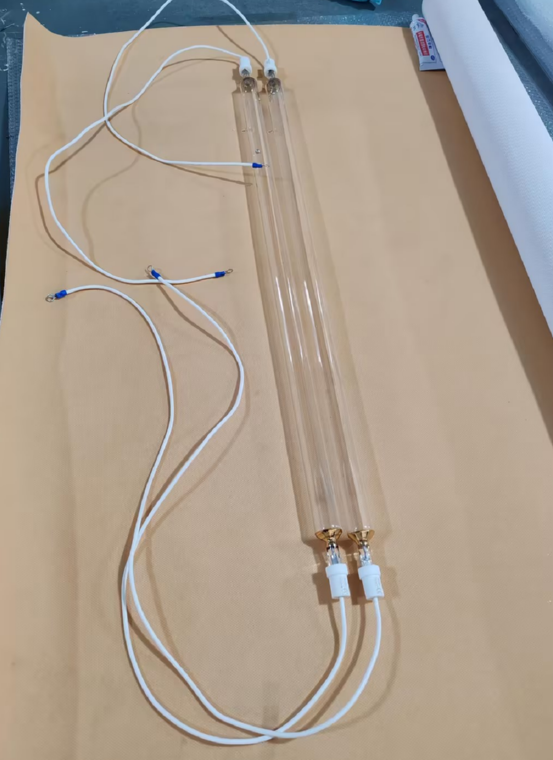
We use fused quartz for the lamp envelopes. Why? Because it can take the shock of being turned on and off rapidly without just snapping. Then there’s the downtime. Nobody wants to spend an hour rewiring a ballast just because a lamp burned out. We use simple, plug-and-play connectors. Your operators can swap a bulb in a few minutes and get back to work. But you still have to respect the heat. A high-output lamp throws off a massive amount of infrared energy. If your cooling system isn’t built to handle those BTUs, the bulbs run too hot. When that happens, the light spectrum shifts and your lamp life plummets.
Making it Work in the Real World
We build these to be drop-in replacements. Whether you’re curing PET or running offset printing, the gear has to fit the reflectors you already have. We spend a lot of time aligning the focal point of the reflector right to the center of the lamp. When the light hits the product perfectly, you don’t need as many lamps in the array. That’s a win-win. Your electricity bill goes down, and your team isn’t sweating through their shirts on the shop floor.