Making Mercury UV Bulbs That Actually Last
Let’s be honest: standard mercury UV bulbs are the unsung heroes of the factory floor. They do the heavy lifting on coating and adhesive lines, hitting that exact spectral sweet spot to cure your materials in a matter of seconds. But for too long, the industry just chased raw output. We’re changing that. We’ve shifted our focus toward materials that stay stable and, more importantly, don’t wreck the planet.
The grit behind the glow
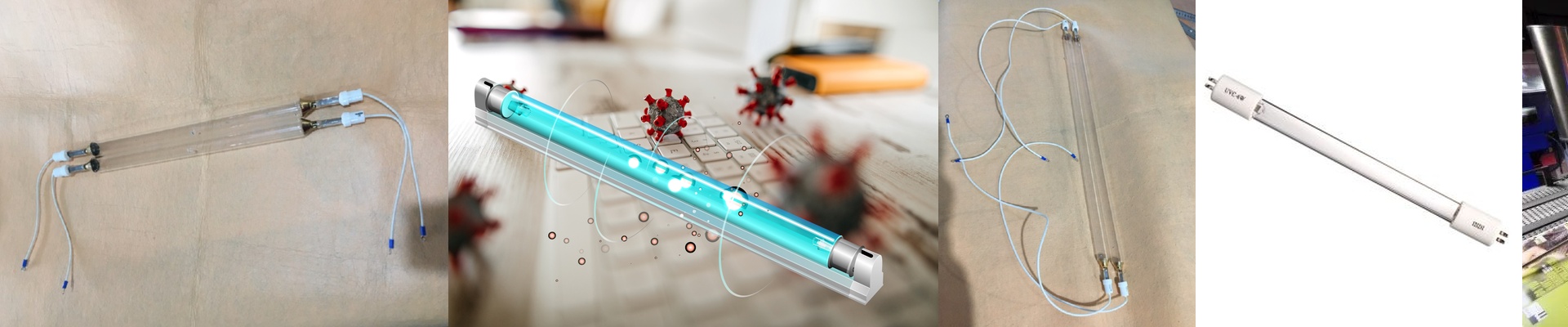
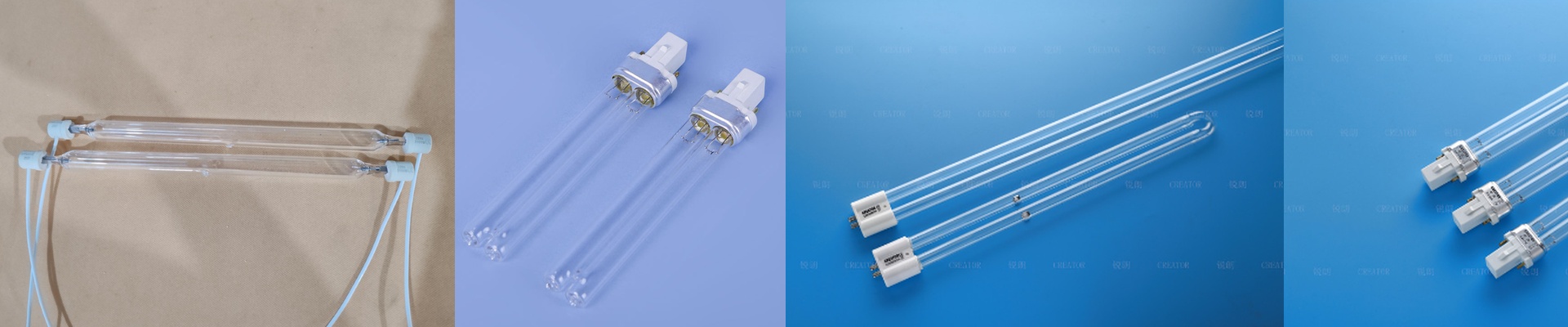
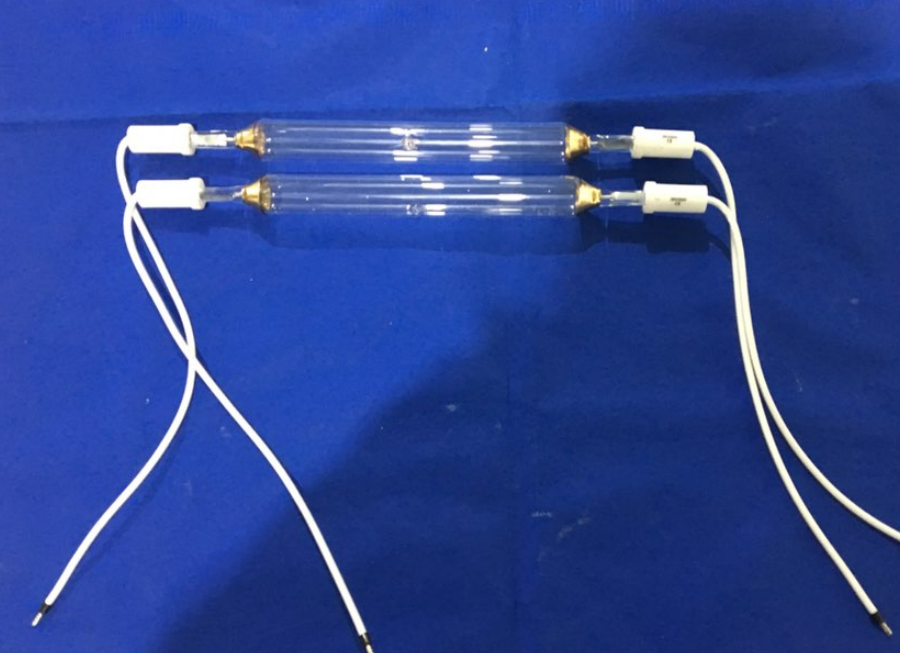
Here is how it actually works. You’ve got mercury vapor inside a high-purity quartz tube. We spend a lot of time obsessing over the grade of that quartz because it has to let the UV light through while taking a beating from constant heating and cooling. But there’s a catch. When you crank up the intensity, that quartz expands. If your cooling air isn’t dialed in just right, you’re asking for trouble. You’ll get “hot spots,” the glass will warp, and the tube will pop way sooner than it should.
Better materials, fewer headaches
We decided to strip out the nasty additives and go with eco-friendly materials instead. Why? Because if the bulb lasts longer, you aren’t swapping them out every few weeks. That means less mercury ending up in the trash. We also beefed up the electrodes. You know those cheap tubes that just “burn out” unexpectedly? We’re trying to kill that problem. The goal is a steady, reliable UV hit across the entire length of the bulb. No more weird, half-cured patches on your conveyor belt.
Getting them to work for you
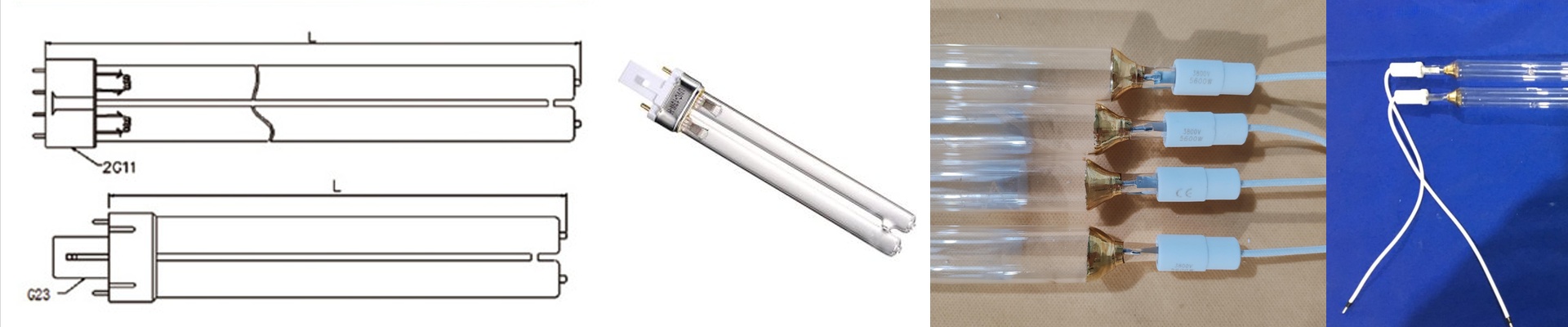
The best part is that these are drop-in replacements. You won’t have to rip out your racks or spend a weekend rewiring everything. They just fit. One thing though—you’ve got to keep an eye on your ballast. These long-life designs are a bit more sensitive to power fluctuations. If your power supply is old or jumpy, it’ll eat away at the bulb’s lifespan. Just make sure your voltage and current match the specs exactly. It keeps the arc stable and keeps your line running.