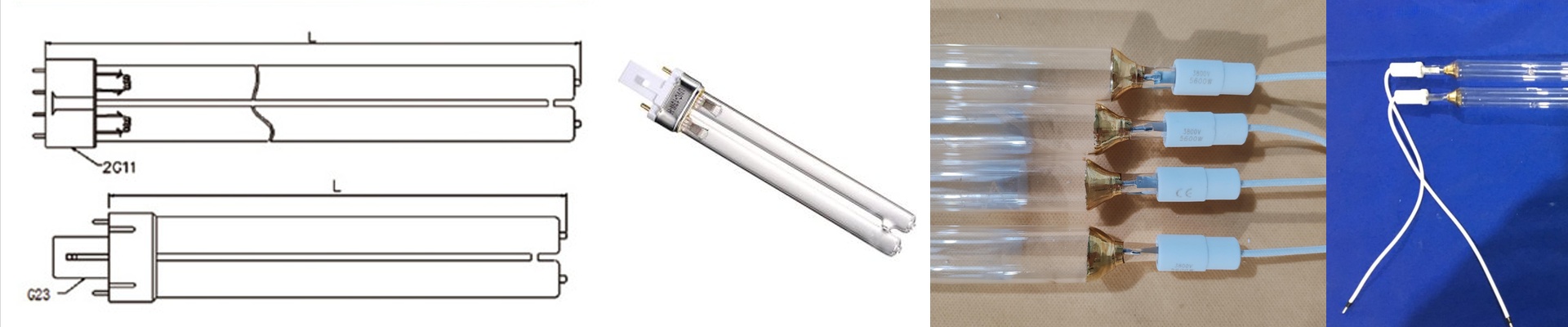
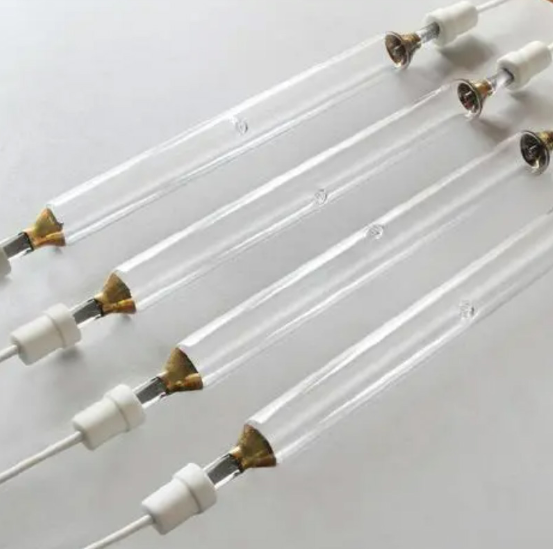
15 Years of Tweaking the Perfect UV Lamp
We didn’t just wake up one day and decide to build high-end UV lamps. It took us 15 years. We started out doing OEM work, but we wanted more. We wanted to stop following someone else’s blueprint and actually master the craft. Our goal was pretty straightforward: build a lamp that hits the same output and lasts as long as the big-name international brands. To do that, we had to get obsessed with two things: the physics of the arc and the purity of the quartz.
Getting the physics right
Here’s how it works: you’re basically creating a plasma arc inside a quartz tube to get that UV radiation. But it’s a balancing act. If you push too much wattage into a tube that’s too short, you’ll cook the electrodes. It’s a common mistake with cheap lamps, and it leads to that dreaded “burn out” way before the lamp should actually die. We spend our time dialing in the internal pressure and electrical load so the arc stays stable. It just works.
The battle with the glass
The quartz envelope is usually where things go south. If the glass isn’t pure—meaning it’s not high-grade fused silica—you get something called solarization. That’s when the tube starts turning brown. Once that happens, the glass actually blocks the UV light it’s supposed to be letting out. It’s useless. Plus, the seal has to be perfect. One tiny leak and the whole lamp is scrap. We’ve spent years refining our sealing process to make sure that vacuum stays tight.
The real-world stuff
We design these to be drop-in replacements. I hate fighting with hardware during a teardown, so we make sure the end-cap dimensions are spot on. You slide it in, and it fits. No swearing required. But, there’s one thing you’ve got to watch out for:the heat. These lamps throw off a massive amount of infrared energy along with the UV. If your cooling fans are clogged with dust or your reflectors are looking crusty and oxidized, the lamp is going to run hot. And when it runs hot, it dies early. We provide the raw power, but you’ve got to handle the airflow. Keep it cool, and these things will last.