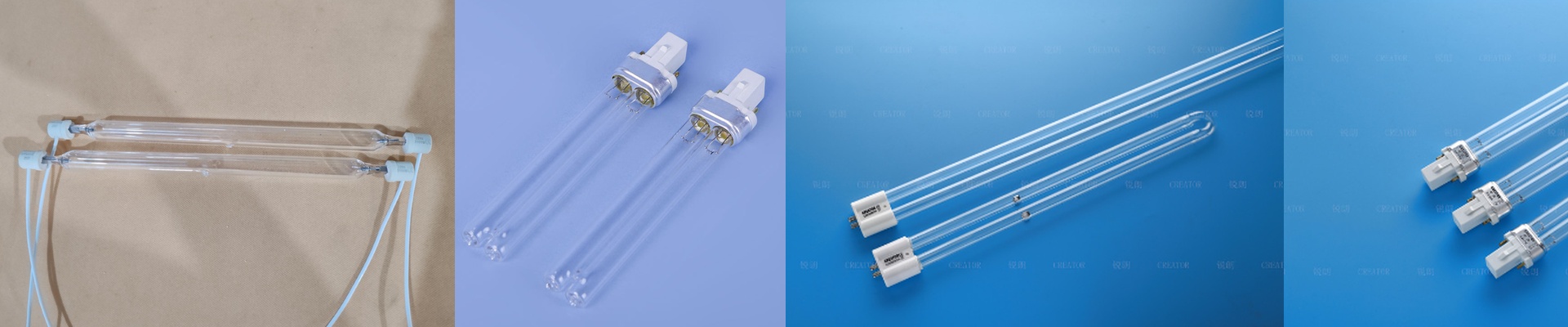
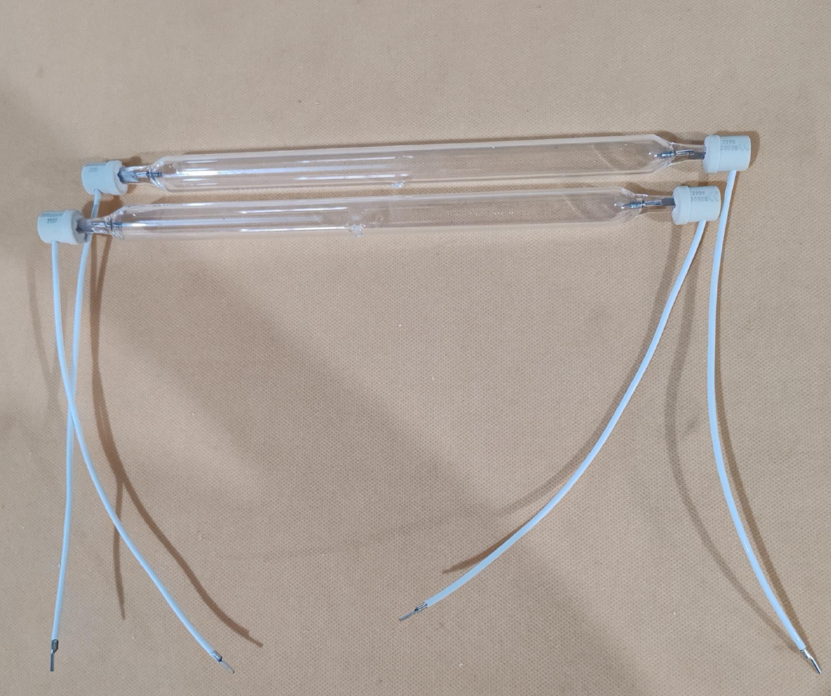
Why “Good Enough” Isn’t Enough for Your UV Lamps
Most people treat industrial UV lamps like lightbulbs—you buy a generic tube, screw it in, and forget about it until it pops. But there’s a massive difference between a basic tube and a lamp that’s actually engineered for your specific setup. You notice it in the way your cure rates dip or the frustration of unexpected downtime. We spent 15 years working in OEM support before we decided to build our own high-spec lines. We wanted the same rock-solid stability you get from the big international brands, but without the nightmare of waiting months for a shipment to arrive.
Getting the Power Right
When we design a custom lamp, we don’t just look at the wattage on the label. We care about how much light actually hits your product. Here’s the thing: if we cram more wattage into a shorter tube, you get a higher power density. That means you can crank up your line speed and get more done. But there’s a catch. That kind of power creates a ton of heat. If your cooling system can’t keep up, the quartz can warp or the electrodes can just give up. It’s a delicate balance.
The Nitty-Gritty: Quartz and Welds
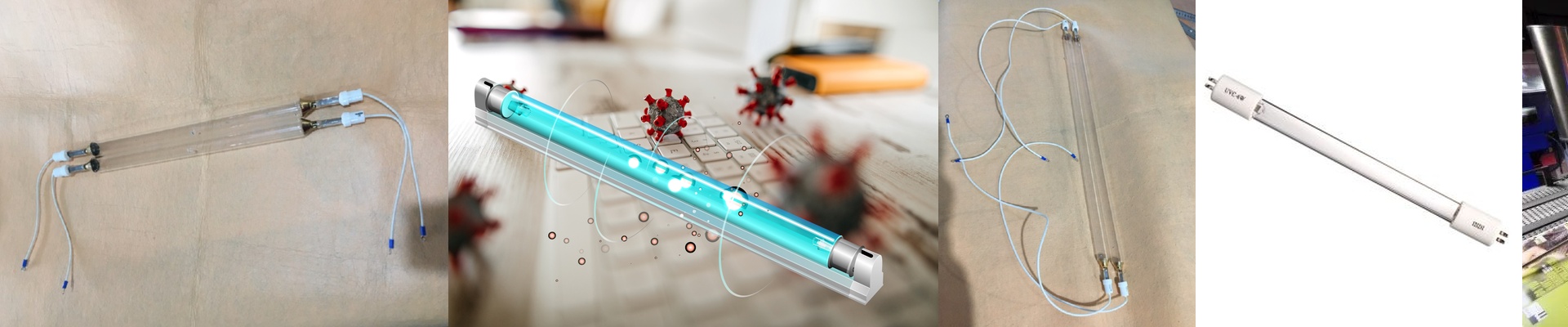
We use high-purity fused quartz because standard glass basically acts like a wall, blocking the shortwave radiation you need to actually cure your materials. Then there are the electrodes. This is where a lot of cheap lamps fail. A sloppy weld leads to vacuum leaks or that annoying “burn out” at the ends. We’ve spent a lot of time obsessing over our sealing process so these lamps can handle thousands of start-stop cycles without flinching.
Making it Actually Fit
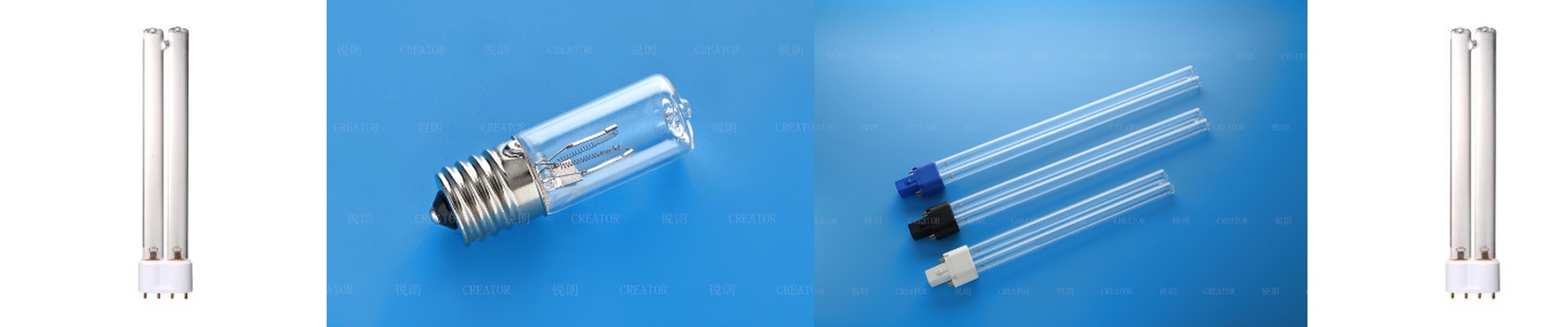
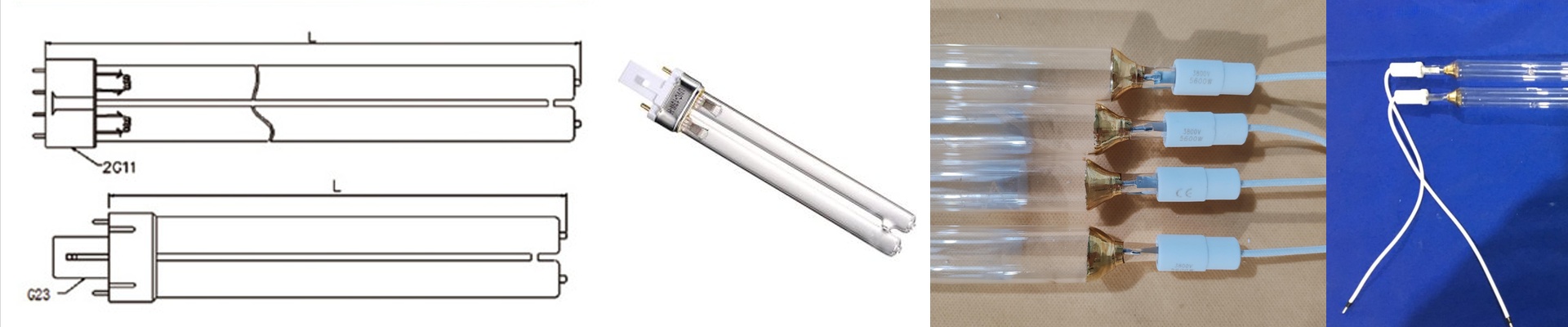
A great lamp is useless if it doesn’t fit your machine. Whether you’re dealing with a weird footprint or need specific end-caps, the measurements have to be spot on. We build our lamps to be drop-in replacements. You shouldn’t have to spend your afternoon rewiring a ballast or hacking away at a reflector housing just to switch brands. You just plug it in, set your current, and get back to work.