Getting a Deep Cure: Why Gallium Iodide Actually Matters
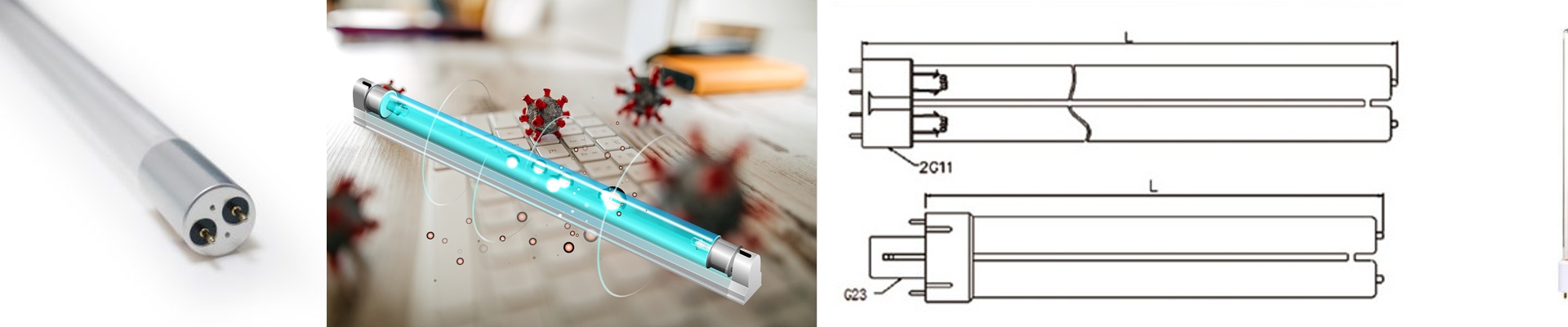
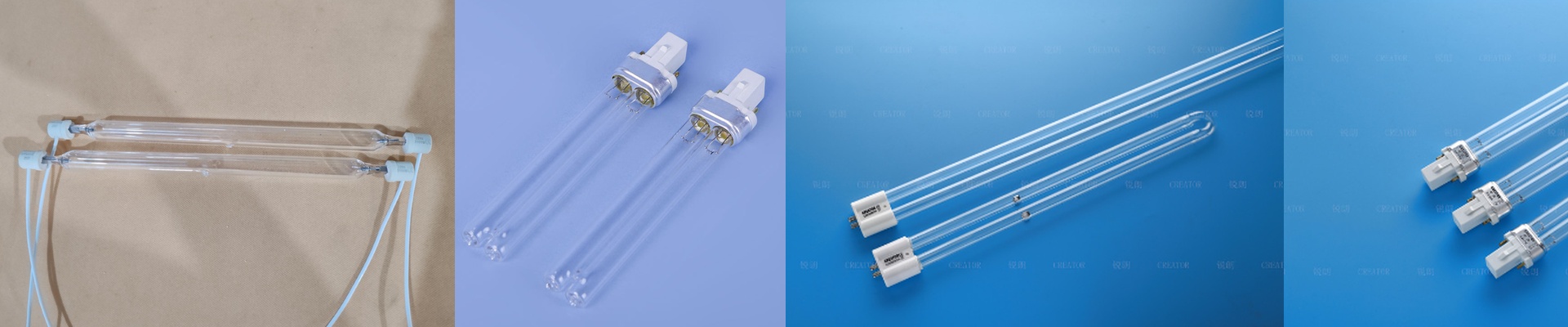
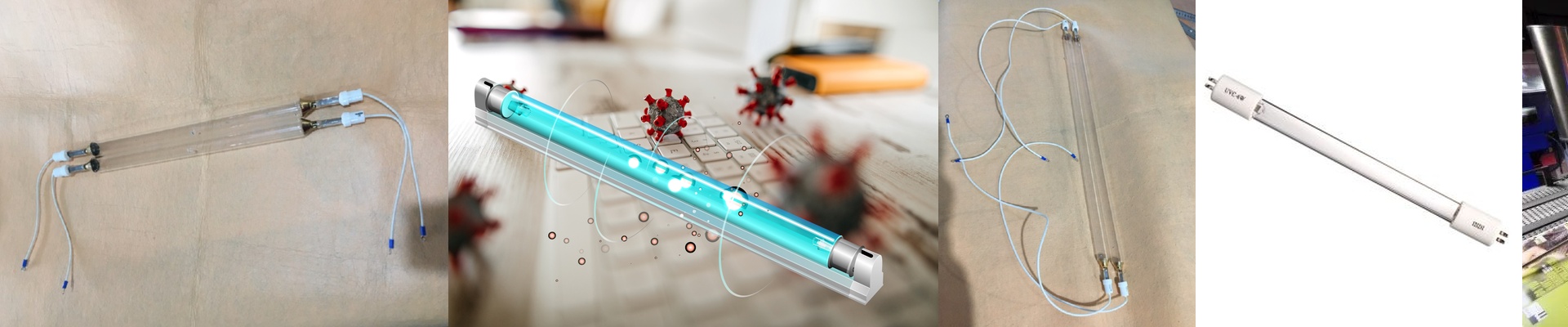
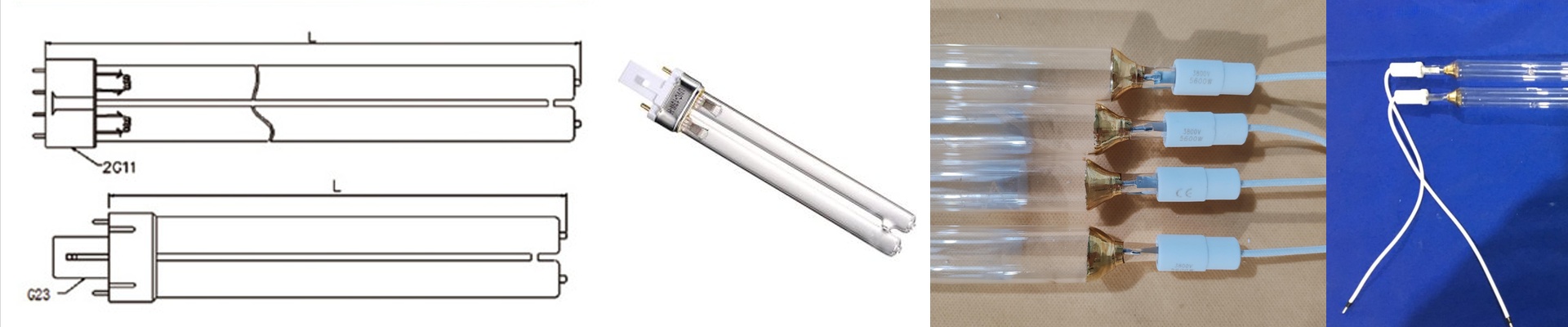
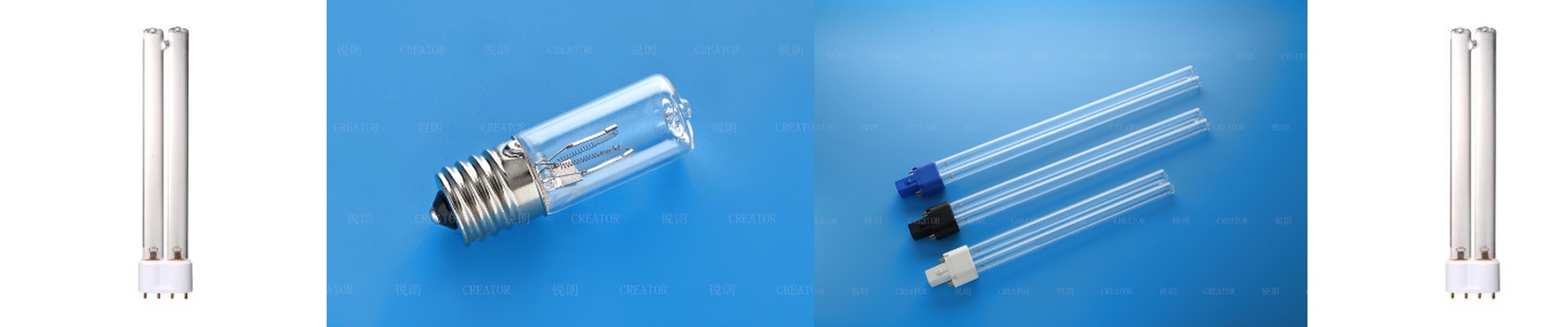
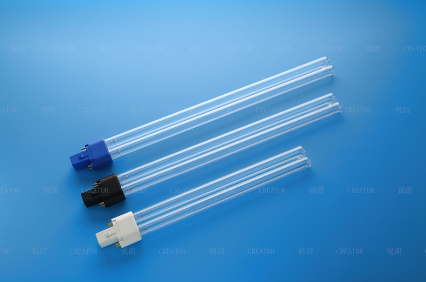
Ever had a job where the top of the ink looks perfect, but the bottom is still a tacky mess? It’s frustrating. Standard mercury lamps are great for a quick surface flash, but they just don’t have the muscle to get through thick layers or heavy pigments. They hit a wall. That’s where gallium iodide (GaI) comes in. By adding GaI to the mix, we shift the light toward longer wavelengths—specifically in that 350nm to 450nm sweet spot. Think of it as a deeper reach. Instead of just hitting the surface, the light actually sinks into the substrate. This means the bottom of your ink cures at the same speed as the top. No more “skinning,” no more peeling, and no more guessing if it’s actually dry. The technical side of things Here’s the thing: these aren’t one-size-fits-all bulbs. To make them work, the tube dimensions and your ballast output have to be a perfect match. We build these to your exact length and wattage because if the arc isn’t stable, the whole thing is a waste of time. But a quick heads-up on the heat. GaI lamps run hotter than your basic UV tubes. It’s just the price you pay for that spectral shift. If you’re swapping these into an old rig, take a look at your cooling fans. If the airflow is weak, your lamps won’t last, and you’ll end up burning out the electrodes way too soon. Making it work for your line We don’t just toss a lamp in a box and ship it. Every ink chemistry is different. Whether you’re doing PET printing or heavy industrial coatings, we look at your photoinitiators and match the lamp’s peak emission to them. And guess what? When the light and the ink are actually in sync, you don’t have to crawl. You can keep your line speed up without worrying about a partial cure. We’ll help you find that balance between wattage and conveyor speed so you can hit your numbers without sacrificing quality.