Getting Your UV Cure Right: The Truth About Gallium Iodide Lamps
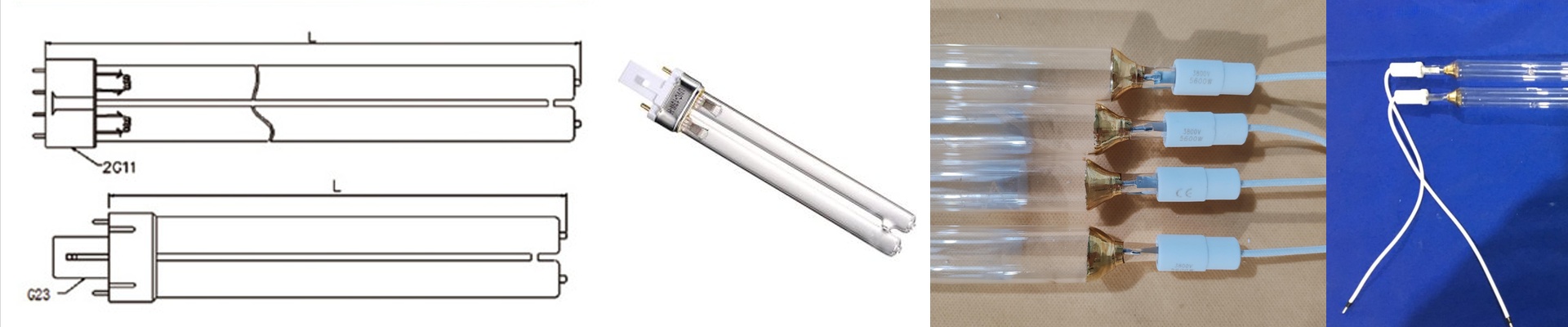
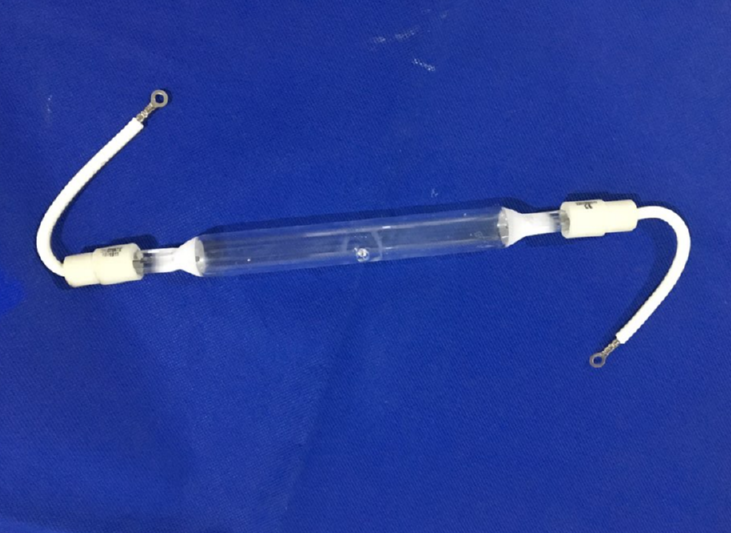
Ever had a coating look perfect on the surface, but when you dig in, the bottom is still a gooey mess? We call that “surface skinning,” and it’s a nightmare for anyone trying to run a clean production line. Standard mercury vapor lamps are great, but they can’t always punch through thick coatings. That’s why we build Gallium Iodide lamps. We’ve tweaked the chemistry inside the tube to shift the light toward longer UV wavelengths. Basically, it’s a more powerful punch for deep-curing resins. The heat factor Here’s the thing: these lamps are designed to be drop-in replacements, so they’ll fit right into your current fixtures. But because they’re packing more spectral density, they run hotter. If you’re pushing these at max wattage, you can’t slack on your cooling. Make sure your fans are actually moving air. If the quartz envelope gets too hot, you’re looking at burnt-out electrodes or cloudy quartz. It’s a quick way to kill a perfectly good lamp. Does it actually work? We don’t care about raw wattage numbers—those are just numbers on a page. What matters is the actual cure. Does it stick? Is it hard? Does it pass the scratch test? We benchmark our lamps against the biggest names in the world. If your curing speed or density isn’t hitting those marks, we’ll give you your money back. Simple as that. Setting it up Pop the lamps into your ballast and run a test. Check the depth of the cure. If the resin still isn’t setting all the way through, it usually means the light peak isn’t quite hitting the sweet spot for your photoinitiator. If that happens, just let us know. We can tweak the gallium concentration until it’s just right for your specific setup.