Ditching the Mercury: A Smarter Way to Handle UV Lighting
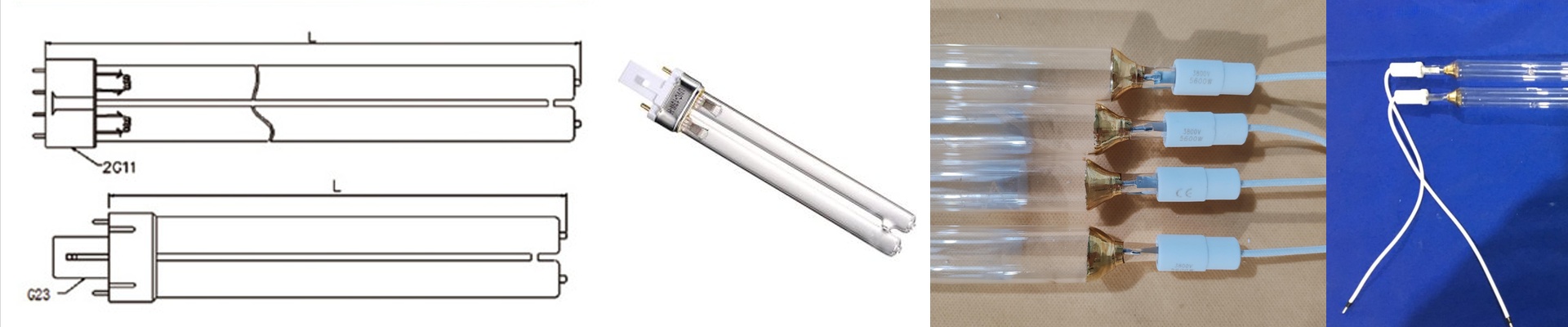
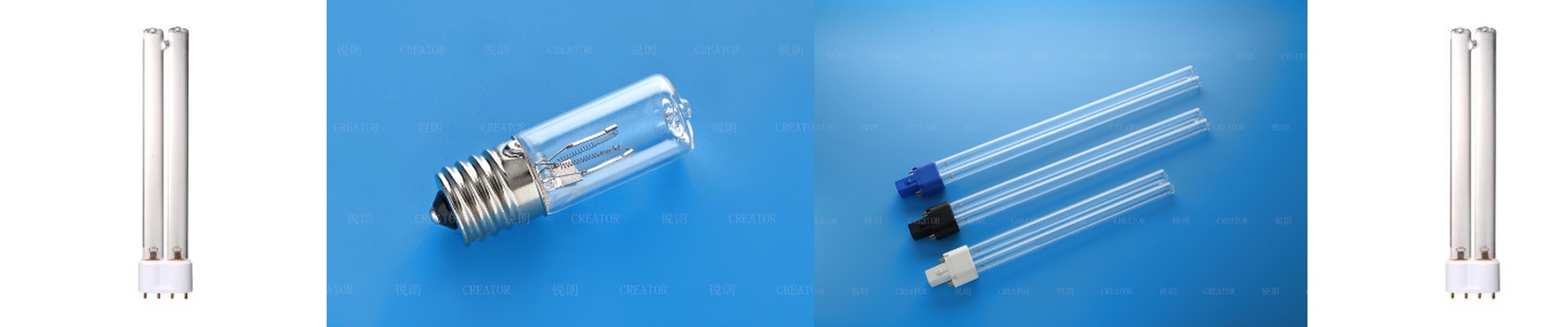
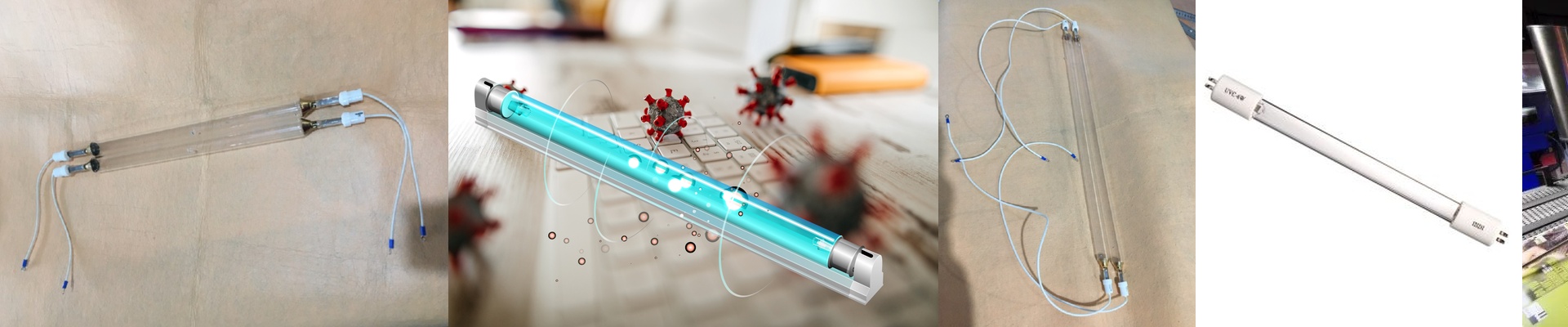
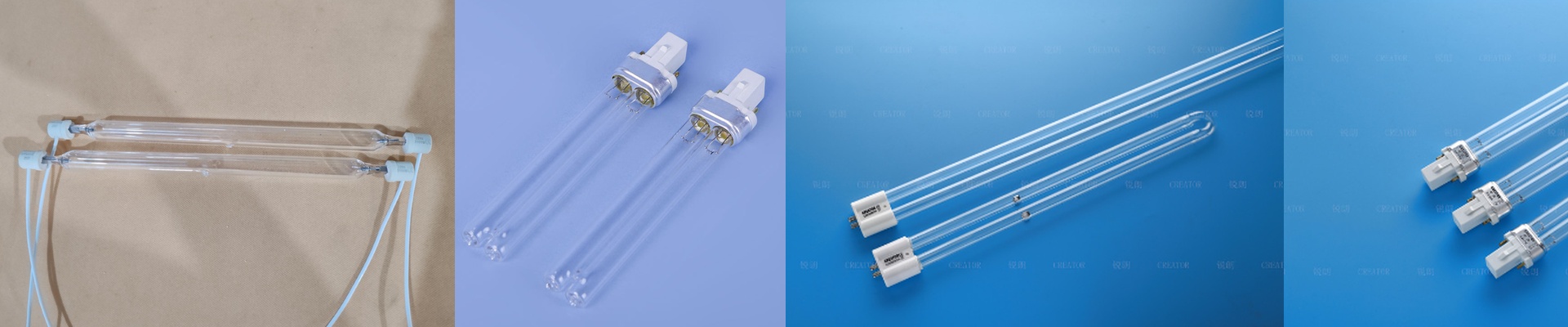
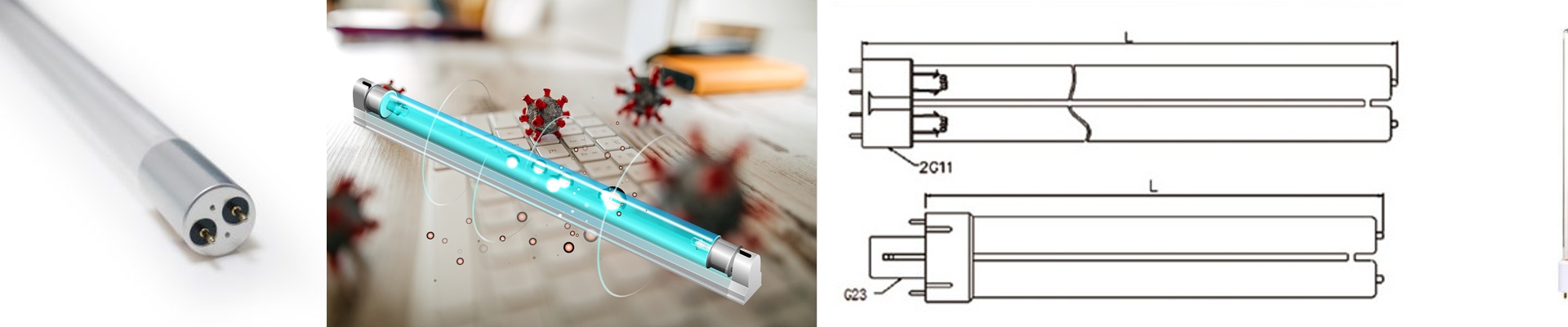
Let’s be honest: dealing with mercury vapor lamps is a pain. Between the strict disposal rules and the constant worry about a tube breaking on the shop floor, it’s more of a liability than a tool. We decided it was time to change that. We’re moving toward zero-pollution designs—basically, swapping out the nasty stuff for materials that won’t give you a headache and making the lamps actually last. What’s actually inside? We stripped out the mercury and the hazardous gases. Instead, we’re using high-purity synthetic quartz and some clever phosphor coatings. You still get the UVC output you need, but without the toxic footprint. It’s a relief, really. If a tube breaks now, you aren’t dealing with a hazardous materials emergency. We also switched the housing to recycled, heat-resistant alloys. But the real secret is in the end caps. We tightened up the seals because that’s usually where lamps leak and die early. Stopping the “Replace-Repeat” Cycle There is nothing more frustrating than shutting down a line just to swap out a burnt-out bulb. To fix this, we used a specialized emitter material for the electrodes that resists “sputtering.” In plain English? It keeps the inside of the quartz clear. When the glass stays clear, the light gets through, and the lamp lives longer. Now, I won’t tell you these last forever. If you crank the wattage to the absolute max, you’re putting a lot of heat on those electrodes, and they’ll wear out faster. It’s all about finding that sweet spot between how fast you need to cure and how long you want the lamp to last. Getting them into your line The best part? You don’t have to rip out your existing setup. These are drop-in replacements. The footprint is the same as the standard industrial mounts, so no one has to spend a weekend rewiring the whole floor. Switching over means way less hazardous waste and less time spent messing with bulbs. You just get to keep the line moving. One quick tip: just double-check that your ballast handles the new impedance curves. You don’t want to burn them out prematurely.