The Balancing Act: Getting More Life Out of Your UV Lamps
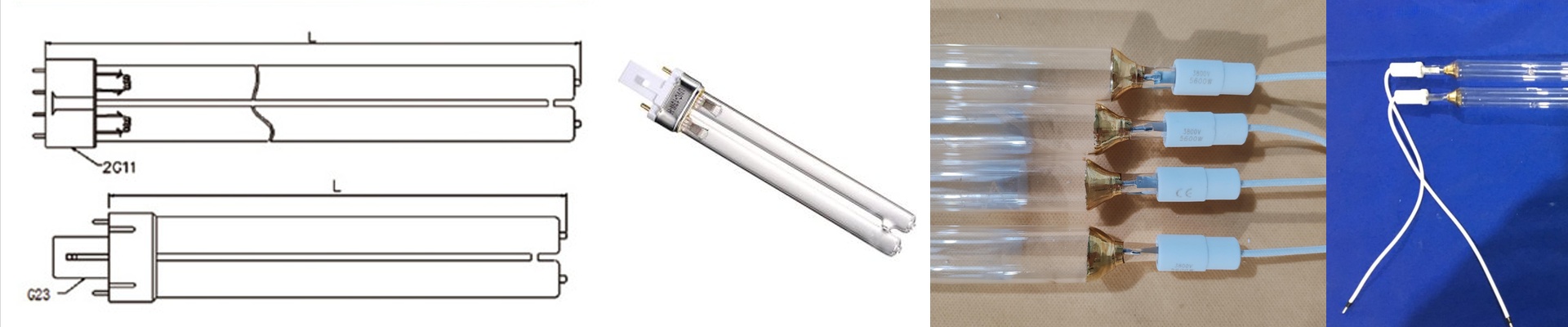
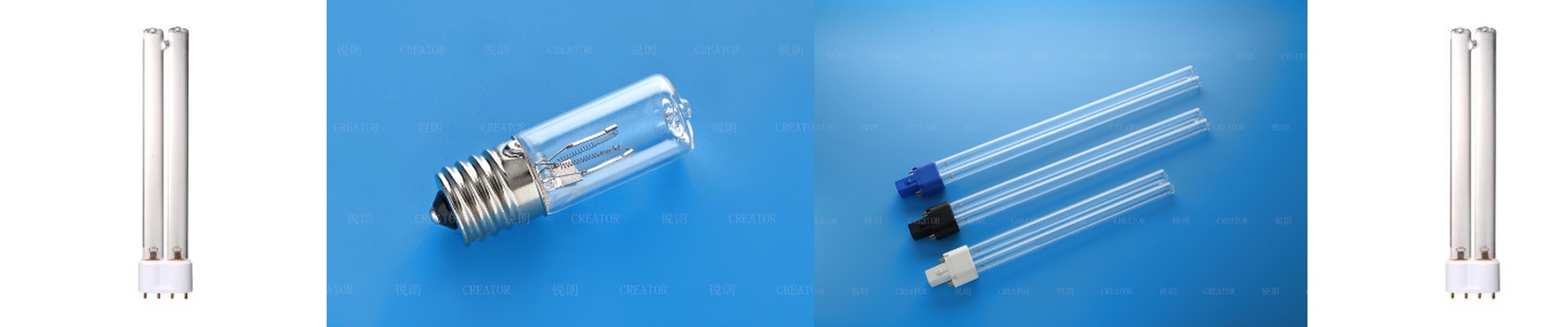
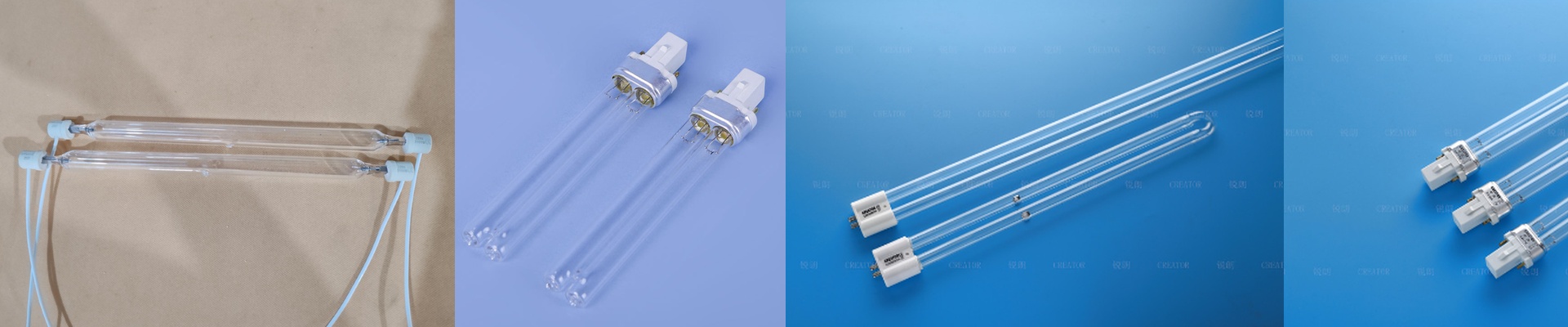
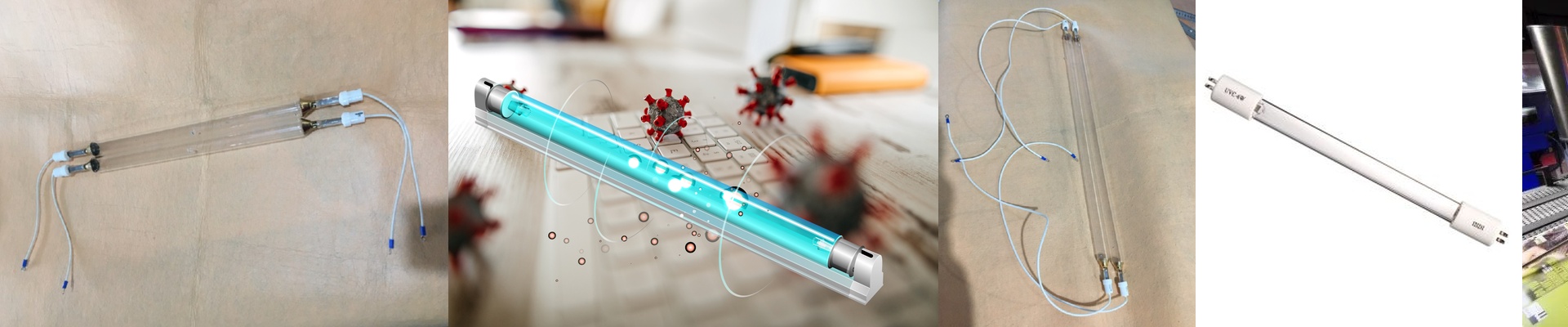
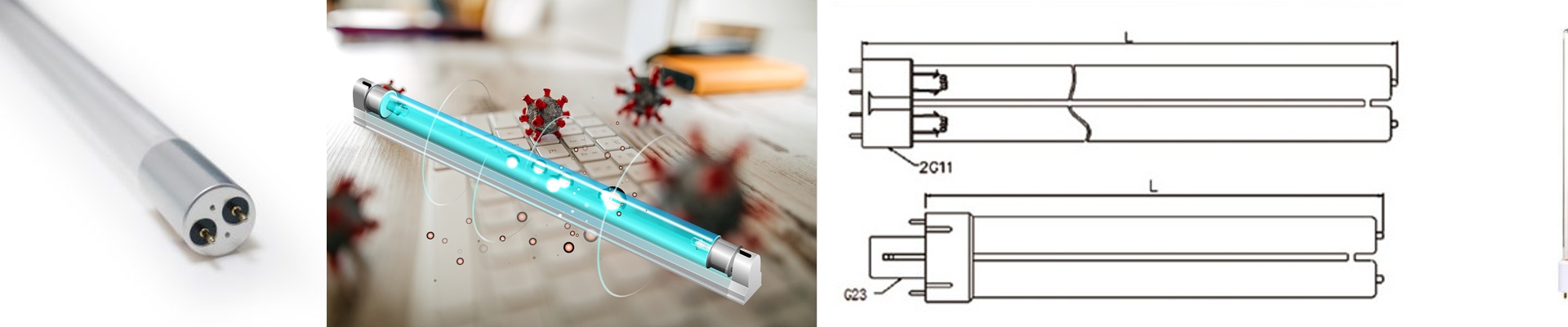
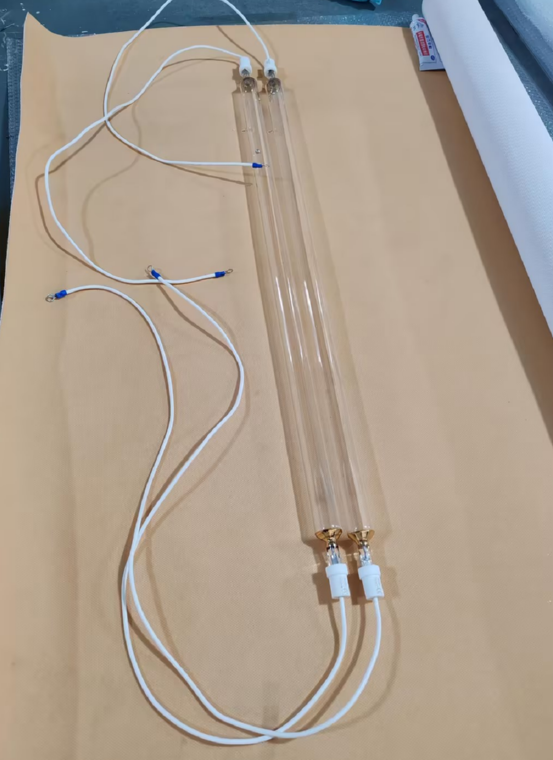
High-pressure mercury lamps are the real workhorses of UV curing. For 15 years, we played the game of white-labeling other people’s gear, but we eventually got tired of that. We wanted something better. So, we spent a decade and a half messing around with our own blends of quartz and mercury until we could finally go toe-to-toe with the biggest international brands. Here’s the thing about the physics: to get that punchy UV-C output, you have to push mercury vapor to high pressures. That’s what concentrates the energy into those 254nm and 365nm peaks. But it’s a delicate balance. With our 2026 line, we keep the wattage and voltage on a very tight leash. Why? Because if your voltage swings by even 5%, you’re basically inviting the electrodes to burn out early. To stop the tubes from bowing under all that heat and pressure, we use heavy-wall fused quartz. It’s tough. It holds. Then there’s the glass. We use high-purity synthetic quartz because nobody wants “solarization.” That’s the annoying process where your glass turns brown or cloudy over time and starts blocking the very light you’re paying for. We also ditched the standard seals. Now, we use reinforced end-caps that can actually handle the stress of high-frequency cycling without giving up. But wait—you can’t just plug these in and forget about them. You have to watch your cooling. These lamps throw off a massive amount of IR heat. If your reflectors are dusty or your blowers aren’t up to the task, the lamp overheats. The mercury starts to migrate, and your output just tanks. As for getting them into your system? It’s easy. We designed these as drop-in replacements. The footprint and electrical pins match the global standards, so you don’t have to spend your afternoon rewiring a ballast. You just pop them in and get a consistent light profile from one end of the tube to the other. You can expect the output to dip linearly over about 1,000 to 2,000 hours. Once you hit that 80% mark, just swap them out. It’s a lot cheaper than dealing with a line full of uncured resin.