Getting Your Textile Curing Right with Mercury UV Lamps
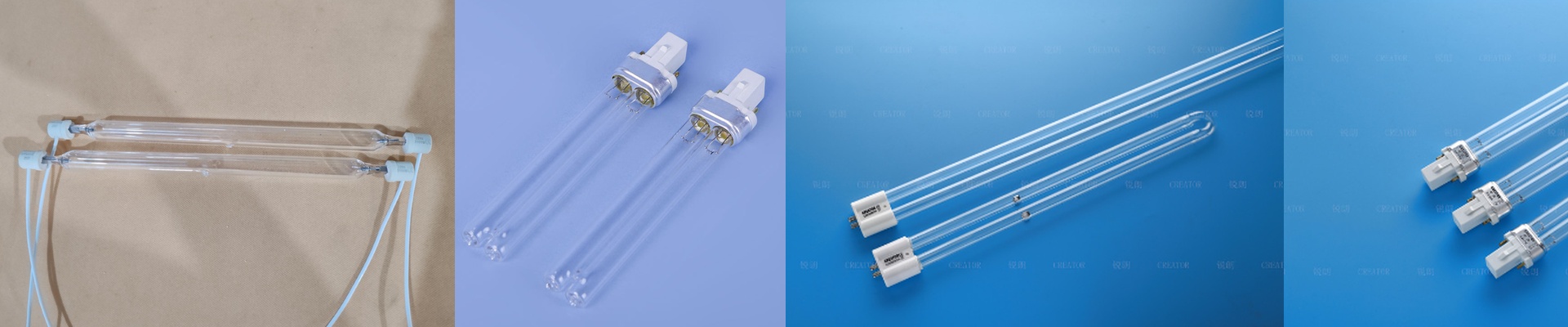
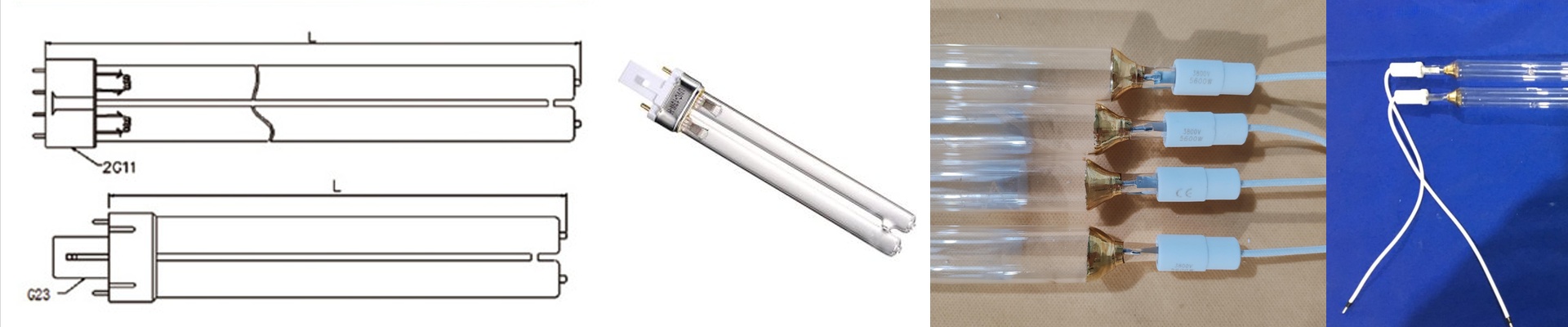
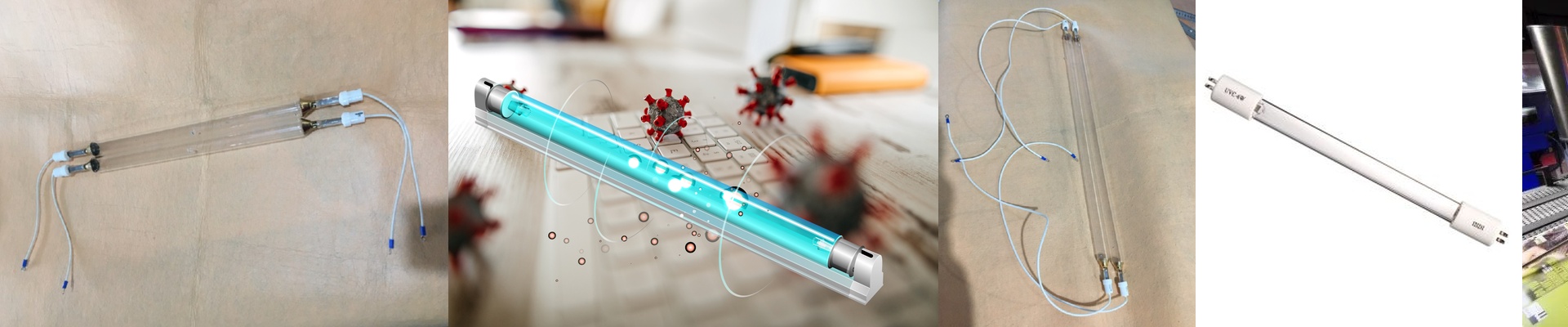
Let’s be honest: mercury vapor lamps are the real heavy lifters in textile printing. They do the dirty work of triggering photopolymerization—which is just a fancy way of saying they make sure your ink actually sticks to the fabric instead of smudging or bleeding all over the place. The balance of light and heat We build our lamps to hit a very specific sweet spot in the UVC and UVB range. That’s the magic frequency that snaps the chemical bonds in your ink and hardens it instantly. But here’s the catch: high wattage means high heat. If you aren’t pulling that heat away from the fabric, you’re asking for trouble. Nobody wants scorched fabric or a garment that shrinks the moment it hits the lamp. You’ve got to have a cooling system that actually works. Why the materials matter We don’t use regular glass for the tubes. Why? Because regular glass would just melt, and it would block the UV rays from ever reaching your ink. Instead, we use high-purity fused quartz. It lets the UV light slide right through. As for the connectors, we stick to industry-standard pins. We want these to be a simple drop-in replacement for your curing presses. No fuss. We also keep the tolerances tight because nothing is more annoying than a lamp that flickers or arcs at the electrodes right in the middle of a big run. The secret to a perfect print If your UV dosing is off, you end up with “tacky” prints that feel sticky or colors that wash out way too fast. It’s frustrating. That’s why we build our lamps to stay stable over thousands of hours of use. If you decide to speed up your production line, you have two choices: bump up the wattage or move the lamp closer to the fabric. Just be careful. The closer you get, the more intense the heat becomes. Push it too hard, and you might over-cure the ink, leaving your prints brittle and prone to cracking. We provide the raw power. You just tune the conveyor speed to match your specific ink chemistry. Simple as that.