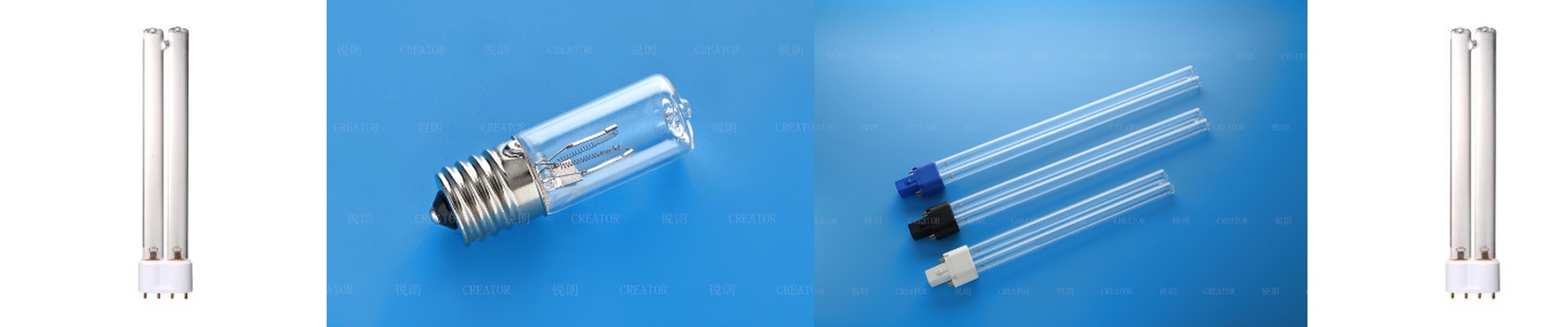
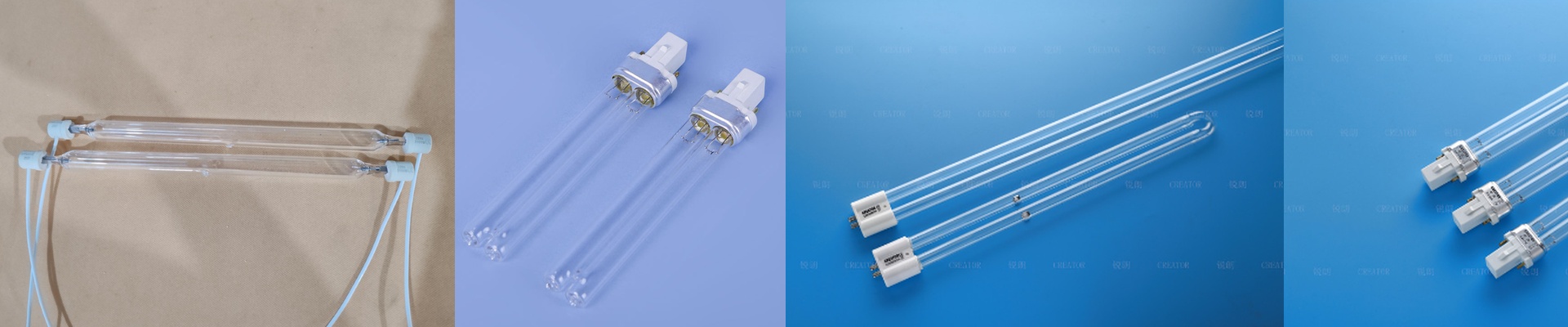
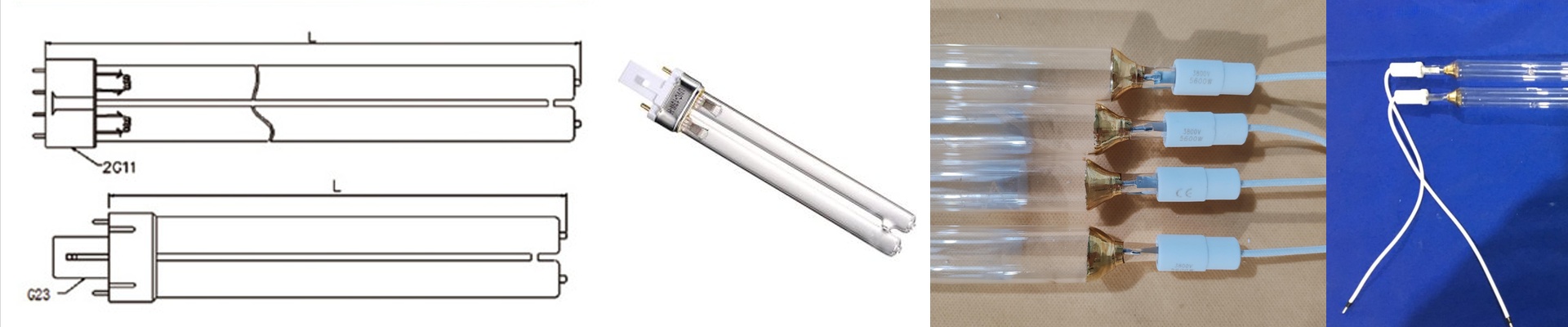
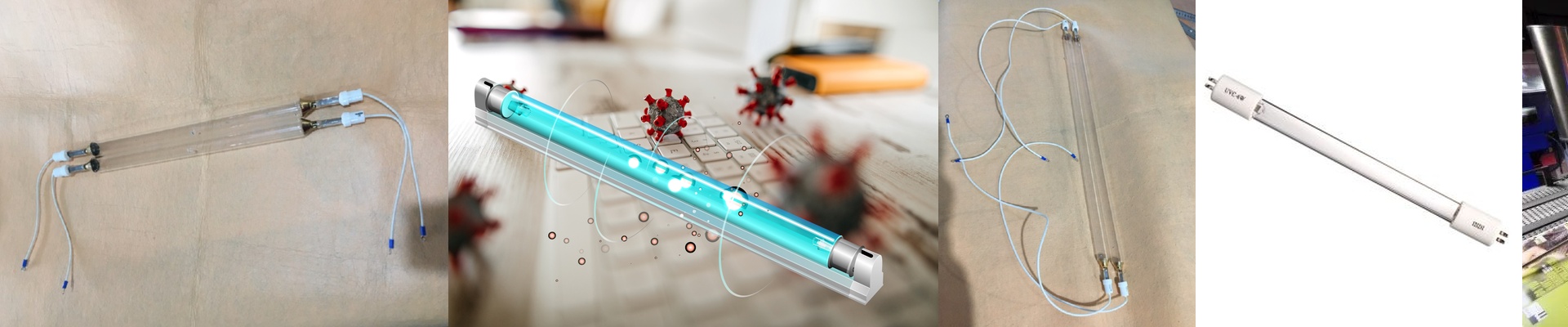
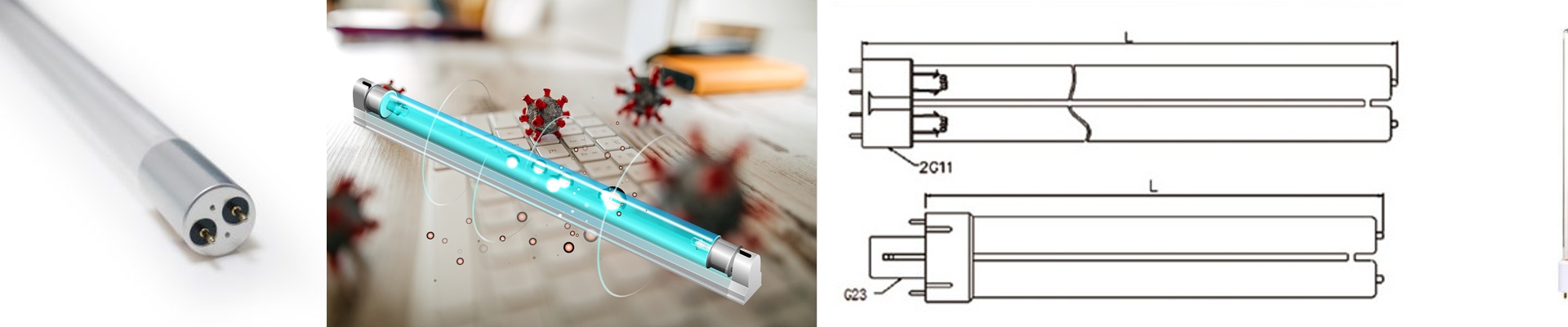
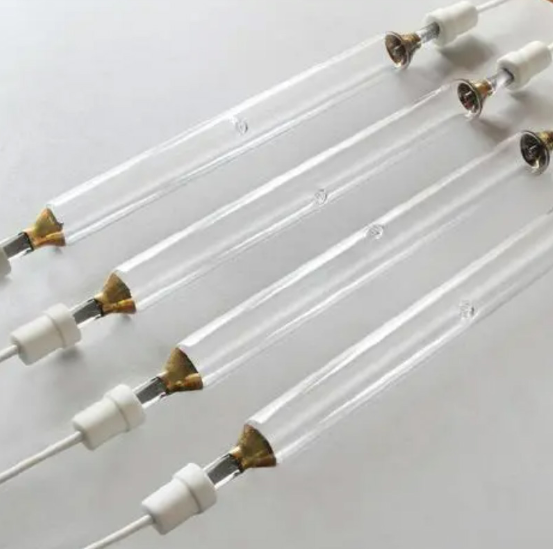
We’ve spent time in about 3,000 different printing plants, and we kept seeing the same frustrating pattern. There is a massive gap between what the lab says a UV lamp should do and what actually happens on the shop floor. Most Gallium Iodide (GaI) lamps don’t fail because the chemistry is wrong. They fail because they weren’t built for the real world. They can’t handle the constant shaking and the brutal heat of a high-speed press. The real deal with Gallium Iodide Here is the thing about GaI lamps: they push the light toward longer wavelengths. If you’re dealing with thick ink layers or pigments that block out standard UV, this is exactly what you need. We obsess over the spectral output because you want that light to actually sink into the material. Otherwise, you’re just scorching the surface and hoping for the best. Heat and vibration (the lamp killers) Wattage is only half the story. You have to look at the footprint. These lamps get incredibly hot. If your cooling system isn’t actually built for that thermal load, your lamp is going to burn out way too soon. We use high-purity quartz envelopes to take that stress. We’ve seen way too many “budget” options just crack the moment the press hits full speed. It’s a nightmare. And the wiring? It has to be tight. We use reinforced connectors so nothing shakes loose during a 24/7 run. One loose connection leads to arcing, and that’s a quick way to kill your electrode. The trade-offs you should know about You get a much deeper cure with GaI, but it comes at a price: power. You’ll be pulling more current from your ballast, so please, check your electrical panel before you wire these in. You don’t want to trip a breaker in the middle of a job. One last tip if you’re dropping these into an old machine: look at your reflectors. If they’re pitted or dirty, you’re wasting about 30% of your UV output. It’s a shame, really. You end up paying for a top-tier lamp but getting the performance of a cheap one.