Why you can’t afford to gamble with generic UV lamps
When you’re picking out a UV sterilization system to sell overseas, you might think you’re just shopping for a light bulb. But in reality? You’re buying peace of mind. Here’s the problem: the market is flooded with generic UV lamps that are basically just clones of someone else’s design. If you build your gear around those, you’re playing a dangerous game. The second your shipment hits a customs port in a strict country, you could be staring down a massive intellectual property lawsuit. It’s a nightmare you don’t want.
The real deal on the tech
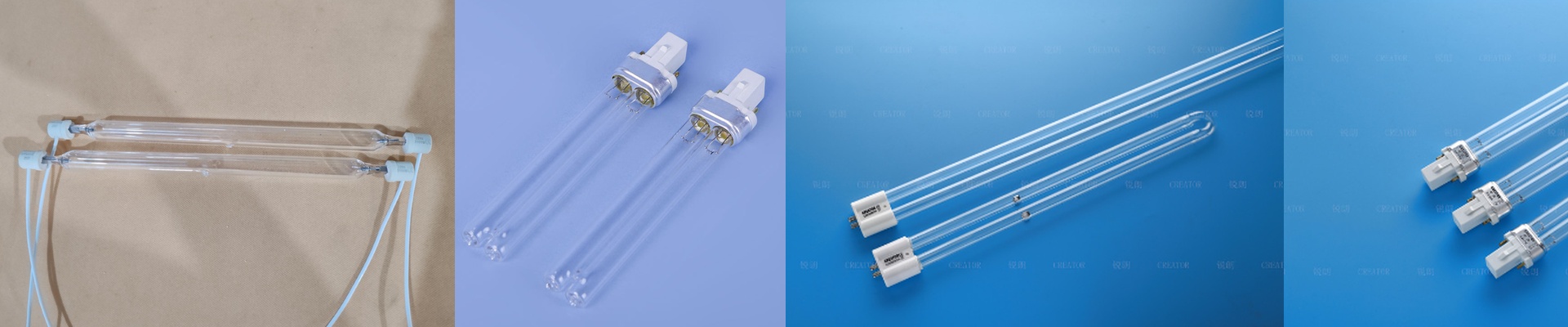
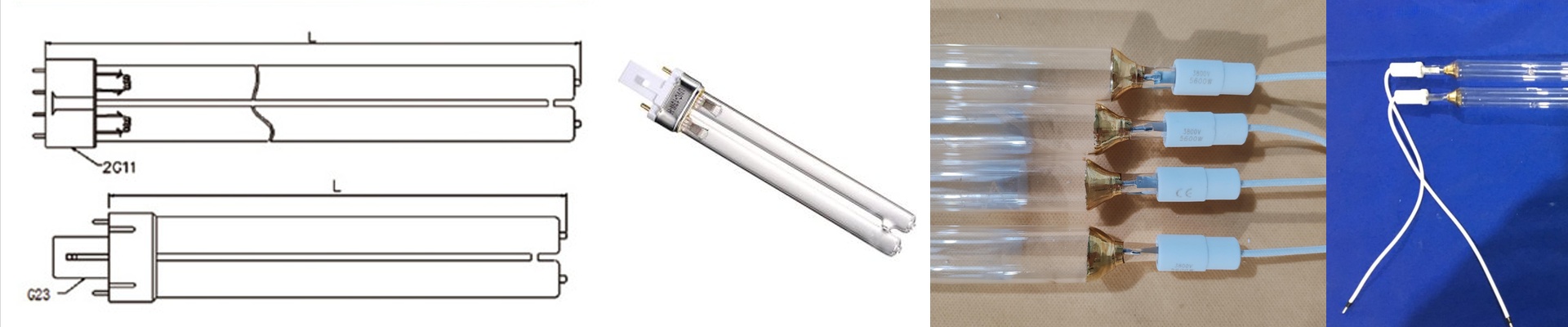
We do things differently. We spent the time to get our own patents, specifically focusing on how the electrodes are shaped and the exact mix of gases inside the lamp. This isn’t just about having a piece of paper from the patent office. It actually makes the lamp better. The way we’ve built the electrodes stops the bulbs from burning out too early and keeps the arc steady. Since we own the tech, we handle everything—from picking the right quartz tube to the final seal. You get a steady, reliable UVC output, and more importantly, you aren’t relying on some random blueprint that a lawyer might challenge in court.
No more customs headaches
If you’ve ever dealt with international shipping, you know how stressful it is. Customs agents in the US or EU can and will seize your gear if they think the components rip off a protected patent. It’s called an “IPR block,” and it can kill your momentum. We give you all the paperwork to prove our tech is ours. No guessing games. No “hope for the best.” Your machines move through the border and get to your customers without getting stuck in a warehouse for three months.
A quick heads-up on the heat
Now, I’ll be honest with you. These high-output lamps run hotter than the cheap, generic stuff. If you’re putting our lamps into your housing, you’ve got to make sure there’s plenty of airflow. If you don’t, your ballast might overheat. I’m not going to tell you it’s a “magic” plug-and-play fix—it’s a powerful tool, and like any powerful tool, it needs a bit of thermal management to work right. At the end of the day, using a supplier who actually owns their patents means you aren’t betting your export license on a coin flip. You get a part that works, and you get to sleep at night knowing it’s legal to sell anywhere in the world.