Stop Replacing Your Whole UV System
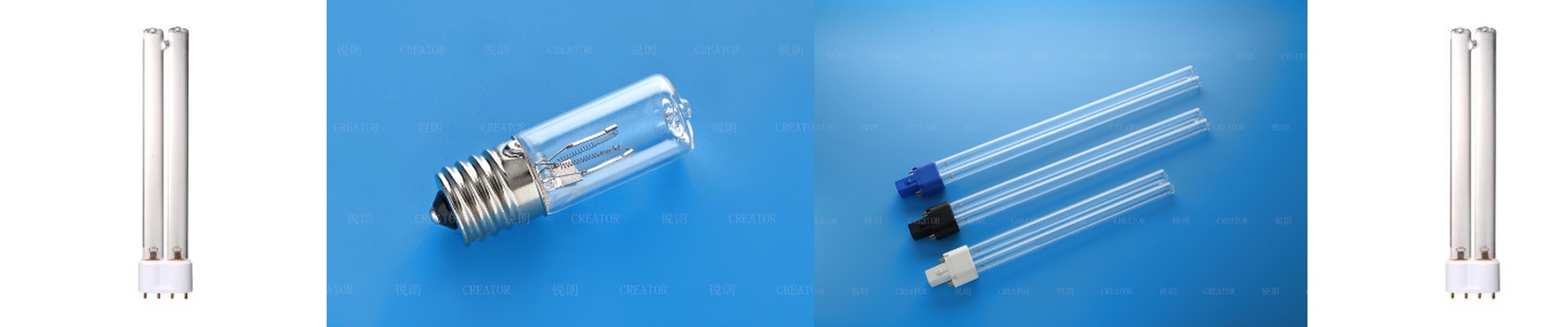
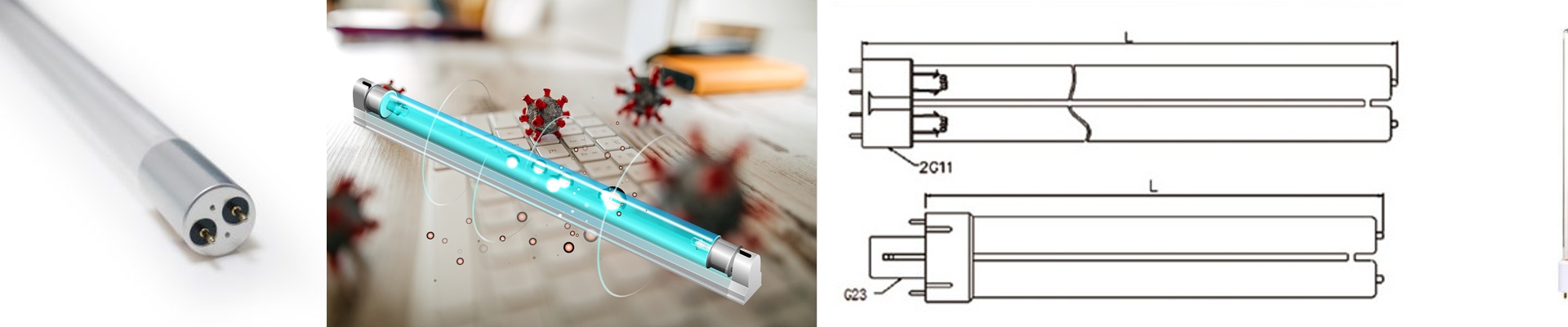
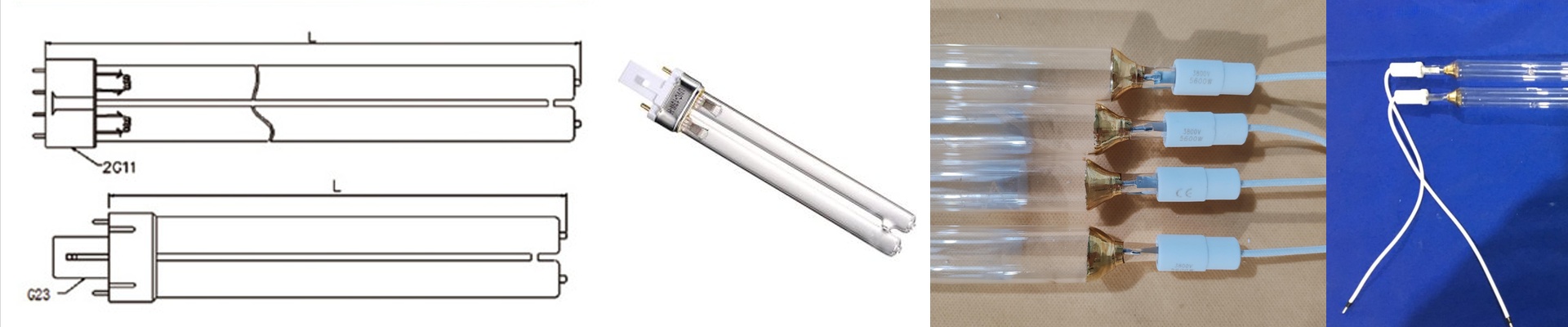
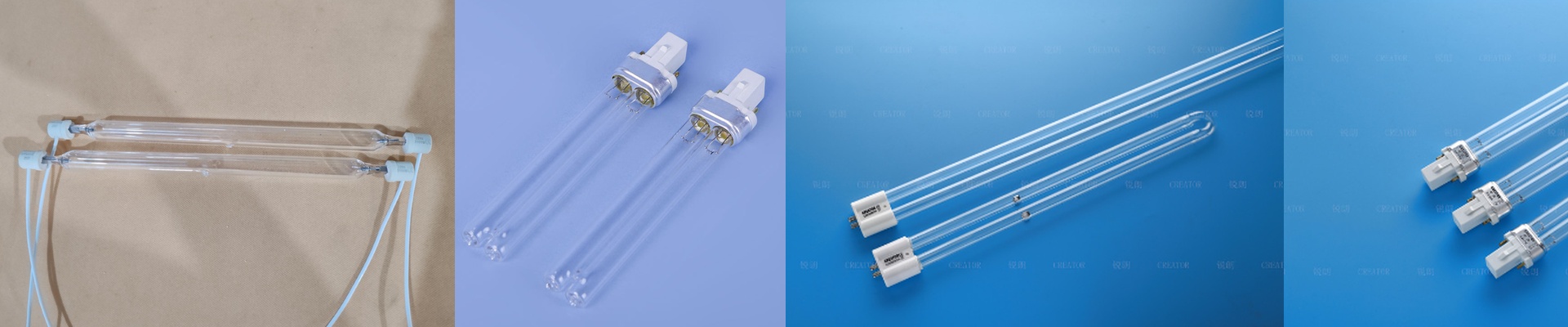
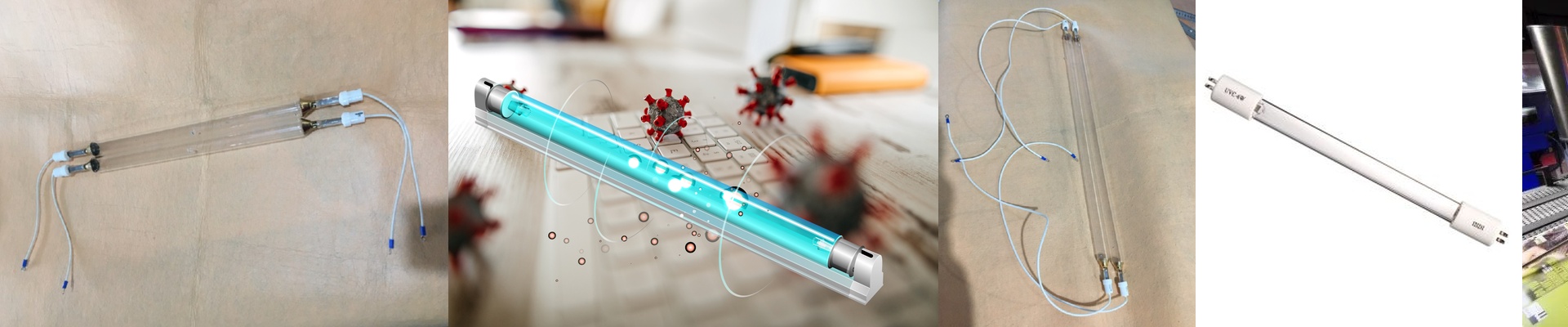
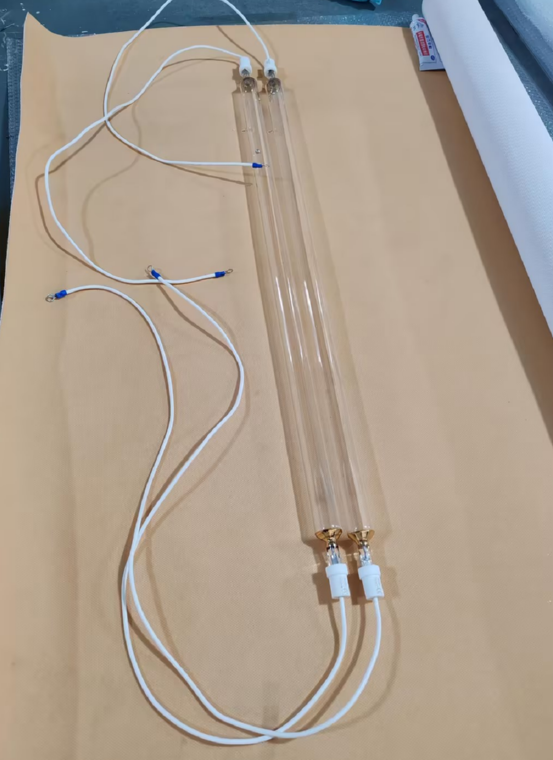
Walking around the 2026 Printing Expo, it was pretty obvious that the old way of doing things is dying. For years, we’ve all just dealt with the nightmare of bulk lamp replacements. It’s a slog. That’s why we built these modular UV units. We wanted to kill that specific shop-floor headache: the hours of dead air and lost money that happen when you’re fighting with a rigid, outdated curing array. Here is the real problem. Most curing lines fail because the power density just doesn’t keep up with the line speed. It’s a mismatch. To fix that, we made our modules adjustable. You can tweak the wattage and the wavelength until it hits the exact spot your ink needs to cure. And the best part? You aren’t tossing the whole housing anymore. You just swap the core. Simple. We also used high-purity quartz glass. If you’ve been in the game a while, you know about “solarization”—that annoying clouding that happens over time and kills your output. This glass stops that from happening, so your light stays strong across the entire web. Getting it into your shop We got rid of those fragile, old-school wires. They always break at the worst time. Instead, we used reinforced, heat-resistant connectors. They just drop right into most existing frames. Plus, if you’re running thicker ink, you can just add more lamps to the footprint. It grows with your job. But we have to talk about the heat. High-intensity UV lamps get hot. Like, really hot. To keep things from melting down, we built forced-air cooling channels directly into the module. Just a heads-up: keep your fans clean. If they get clogged, the lamp is going to burn out way too fast. You need that air moving. How it actually feels on the floor If you’re running high-speed offset or flexographic presses, you know the drill. You can’t afford to spend four hours tearing down a machine just to change a lamp. It’s a production killer. Our snap-in design turns that four-hour nightmare into a few minutes of work. You get a clean, consistent cure without those ugly “zebra stripes” you see when an array starts to age. It’s just a steady, reliable dose of UV exactly where it needs to be.