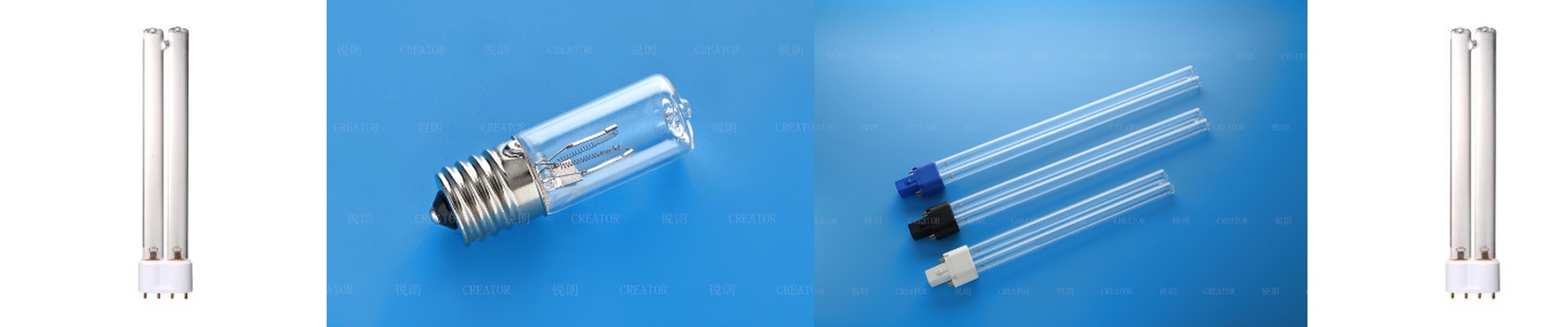
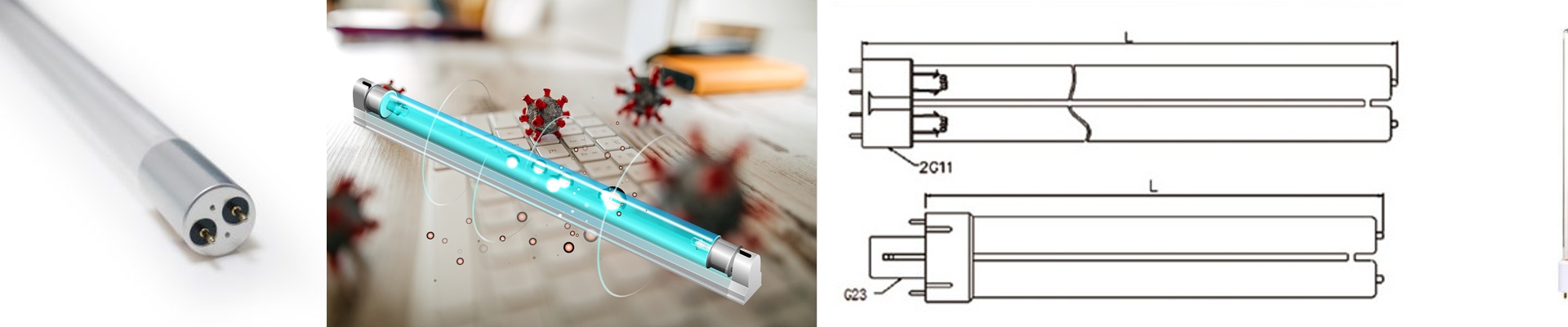
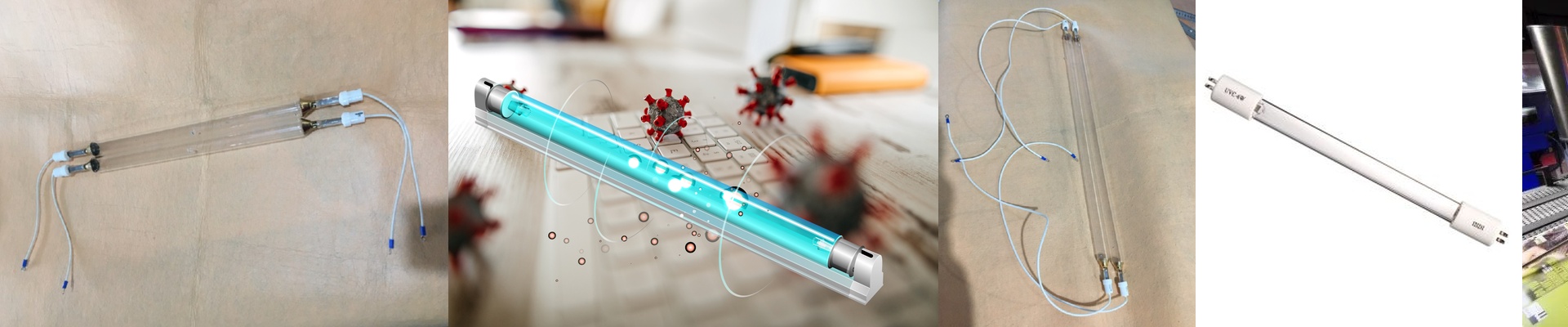
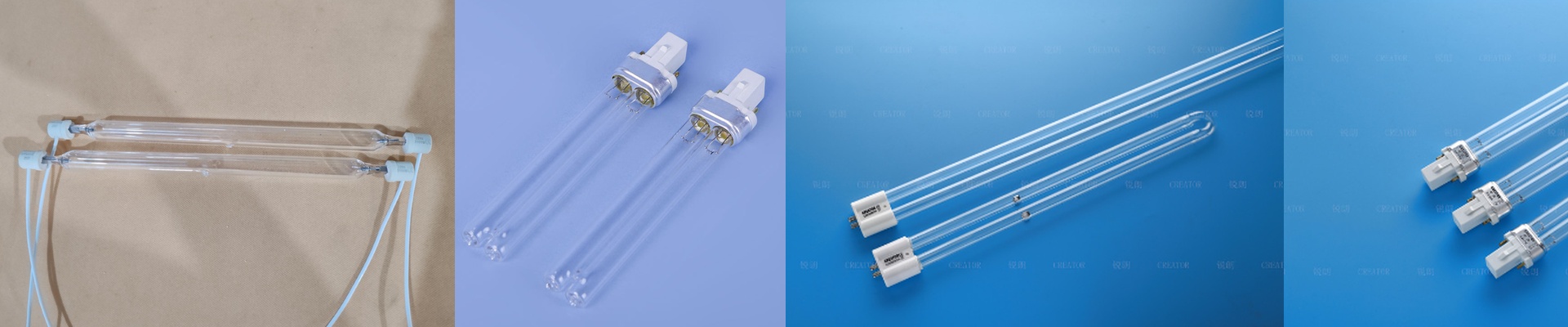
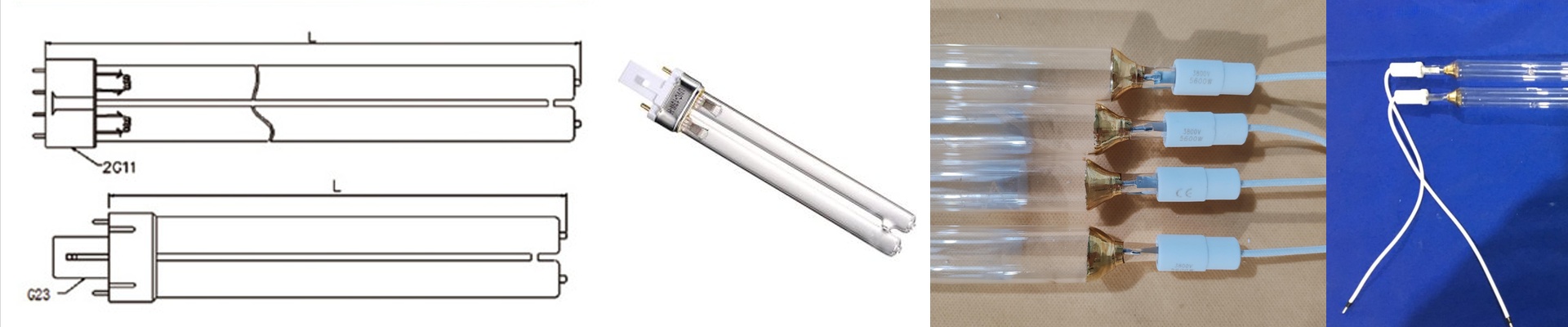

Wholesale buyers aren’t chasing the next fad. They’re chasing uptime and repeat orders. When a UVC bulb starts drifting, you get inconsistent disinfection, field complaints, and too many emergency replacements. We built our CE-certified UVC germicidal bulbs—E26 and E27—for the realities of volume distribution. Stable 254nm emission. Controlled warm-up. Predictable end-of-life behavior. What matters, technically These bulbs run a narrow germicidal spectrum centered at 254nm—the wavelength that hits DNA/RNA absorption hard and shuts microbes down. We control phosphor coating and mercury vapor pressure so the lamp hits target irradiance fast and holds it through the rated life. Peak irradiance and output stability are specified against measured lamp geometry and quartz transmission, not marketing language. E26 and E27 bases drop straight into standard fixtures, and the quartz envelope is chosen for UVC transmission and thermal stability. Why this works in the field If you’re a global wholesaler or trader, the product has to survive real-world installation variance and still perform on the customer’s first run. The CE mark gives compliance confidence, and the E26/E27 interface keeps integration from becoming a headache. In disinfection work, consistent 254nm output means repeatable microbial reduction—fewer returns and steadier procurement cycles. Energy draw is measured and documented, and the warm-up curve is engineered to avoid early-life dips that can under-dose a cycle. The practical details UVC exposure is hazardous. These bulbs must be installed only in fully shielded, interlocked fixtures—and operated only when the area is unoccupied and exposure is controlled. Output is sensitive to ambient temperature and fixture reflector condition. Cold starts in low-temperature environments can delay peak irradiance. Match the lamp to the fixture’s ballast, and keep reflectors clean and aligned during maintenance.