We Spent 15 Years Being the “Secret” Behind the Big Brands
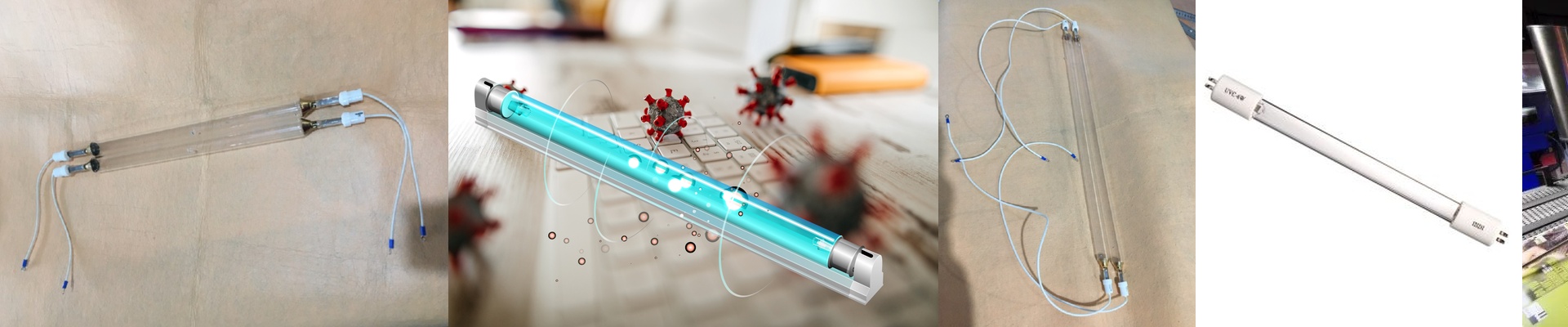
For a long time, we were the invisible partners. We spent 15 years in the background, building UV lamps exactly how the big international brands wanted them. When we finally decided to launch our own brand, we didn’t change how we build things. We just stopped following someone else’s rules. Now, we can actually tighten those tolerances and do it the way we’ve always wanted to.
The nitty-gritty of UV output
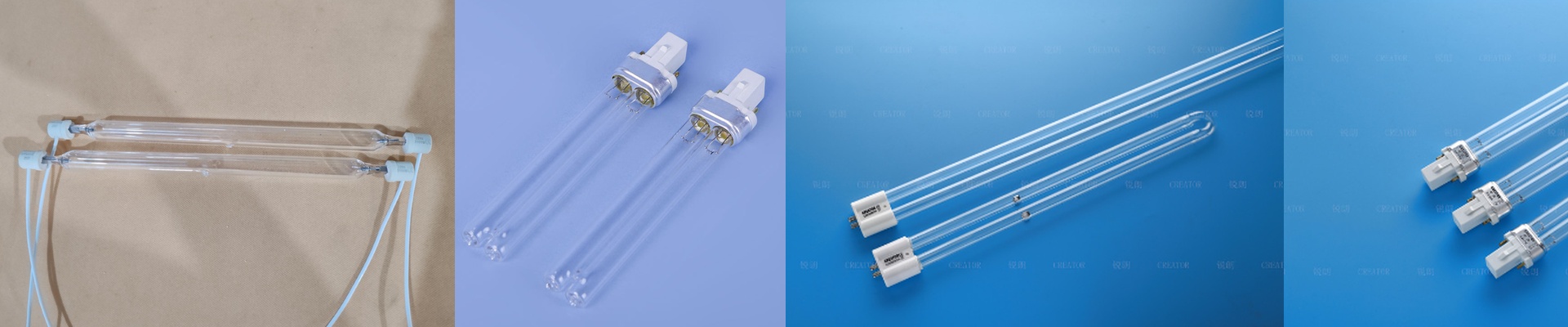
Here is the thing about UV lamps: it all comes down to the balance between gas pressure, the electrode material, and how pure the quartz is. If you’re using these for industrial curing, you need a stable arc. Period. If the quartz isn’t fused just right, you get hot spots. And those hot spots? They kill the lamp. That’s why we use high-purity synthetic quartz. It keeps the UV transmission steady from one end of the tube to the other, so you don’t have to worry about weak spots in your cure.
Hardware and the “Heat Problem”
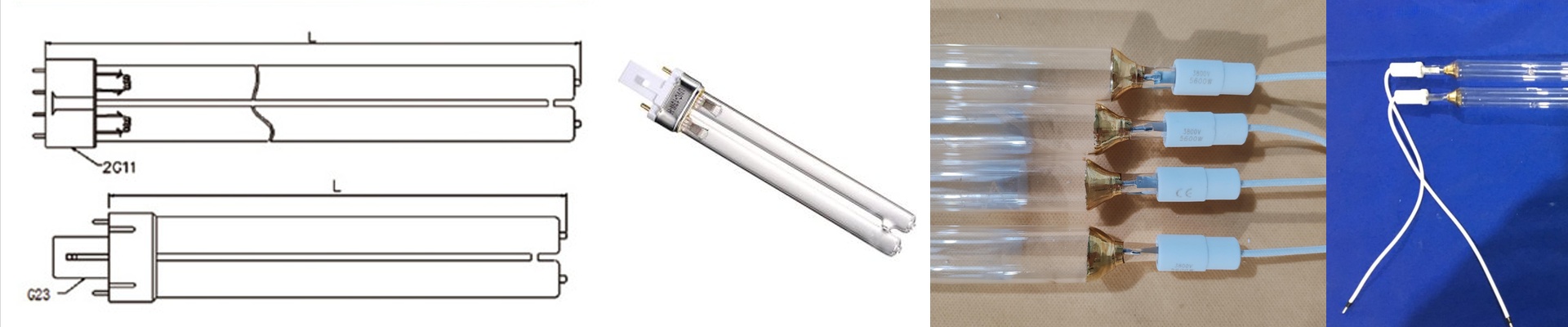
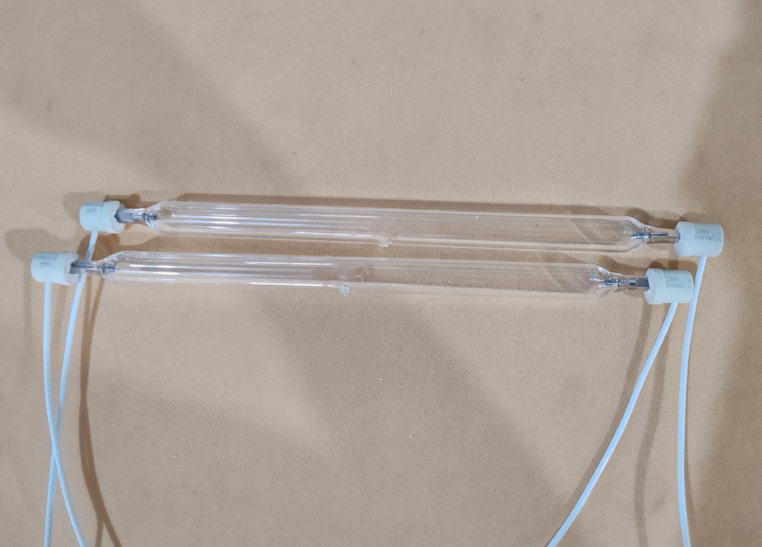
Then there are the connectors. Whether you’re using an R7s or a specialized SK15, these parts have to handle thermal expansion. I’ve seen way too many lamps fail simply because the end caps couldn’t take the heat. We fixed that by using reinforced seals to keep the gas where it belongs. But you also have to be realistic about the trade-off between intensity and heat. A high-wattage lamp is great for speed, but it puts a massive load on your cooling system. If your fans are weak or your reflectors are caked in dust, the lamp is going to overheat. When that happens, your lifespan can drop by 30% or more. It’s just the physics of the hardware.
Making it work in the real world
These lamps are built for the grind—24/7 production lines that can’t afford a hiccup. Because of that, we focus on making them “drop-in” replacements. You shouldn’t have to spend your afternoon rewiring a ballast or hacking away at your housing just to get a new lamp to fit. We keep the length and diameter incredibly precise. The lamp slides into the socket without any stress or forcing it. It’s a small detail, but it’s the difference between a quick swap and a cracked piece of glass.