The Truth About Industrial UV Bulbs (And Why Most Fail)
It took us 15 years to stop just slapping our logo on other people’s gear and actually start building our own germicidal UV lines. Here is what we learned: most people buying bulk UV bulbs aren’t looking for some fancy “holistic solution.” They just need a part that hits a specific microwatt output and doesn’t die in three months. Simple, right? But in the real world, it’s rarely that easy.
Getting the Output Right
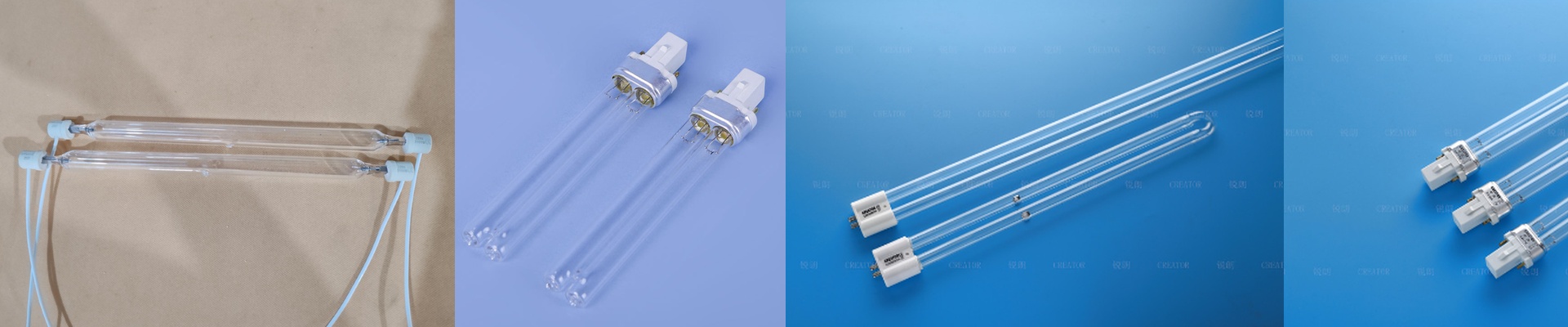
To actually kill germs, you need that 253.7nm wavelength. You can’t get there with regular glass—it just blocks the UVC. We use high-purity synthetic quartz because it actually lets the light through. But the glass is only half the battle. We keep a really tight grip on wattage and voltage to stop that annoying ballast flicker. If your voltage swings by more than 5%, your UVC intensity dips and your lamp life tanks. It’s that simple.
Why Bulbs Actually Burn Out
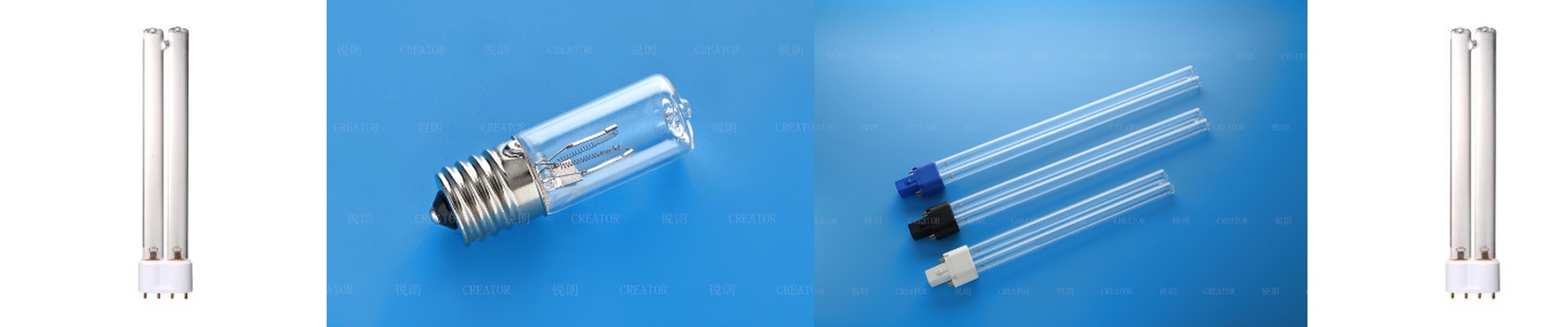
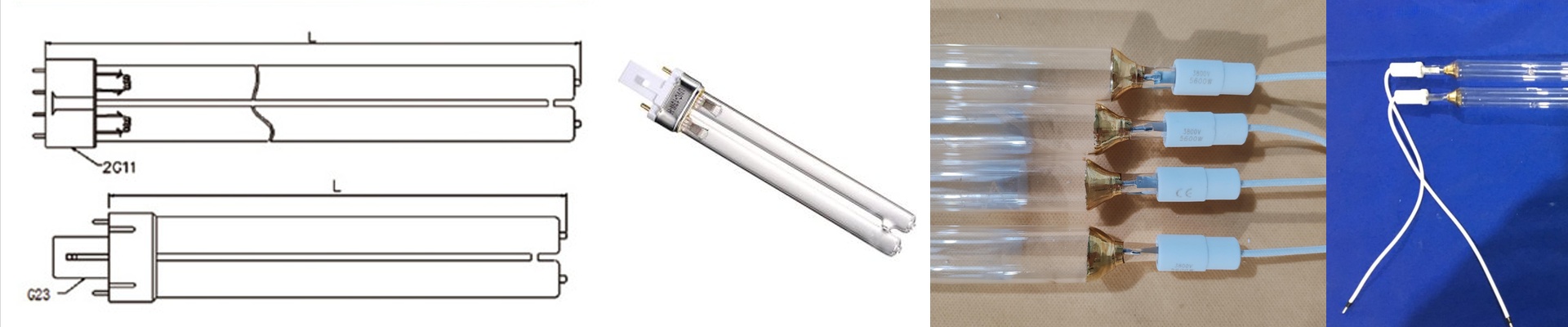
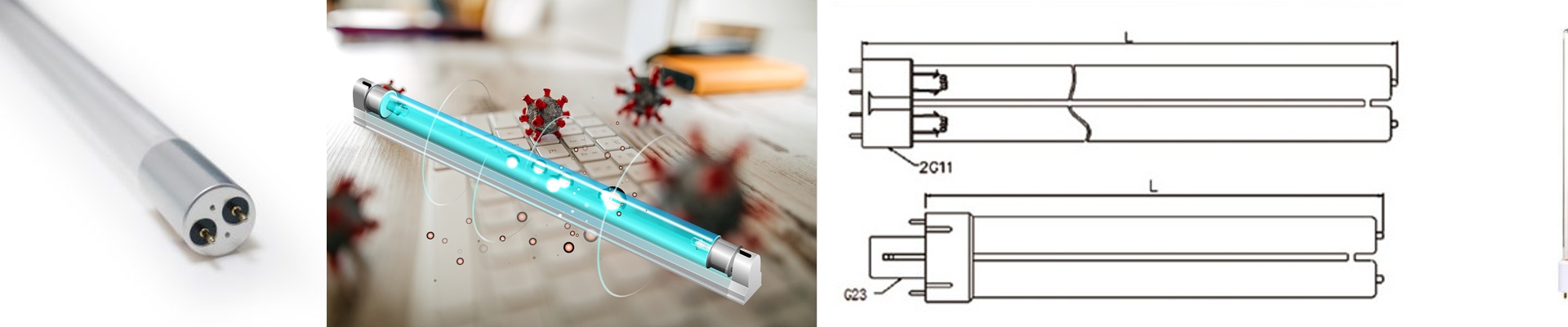
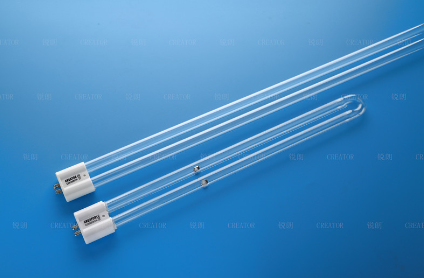
The electrodes are usually where things go wrong. If you’ve ever seen those dark “rings” forming at the ends of a tube, that’s sputtering. It’s basically metal deposits building up inside the quartz and blocking the light. We use thoriated tungsten to fight that. It keeps the tube clear for longer, meaning you don’t have to swap them out the moment the output drops by 20%. Then there’s the seal. Whether you’re using G13 bi-pins or those twist-lock bases, the seal has to be perfect. Even a microscopic leak lets oxygen in, which ruins the mercury vapor and kills the arc instantly.
Putting Them to Work
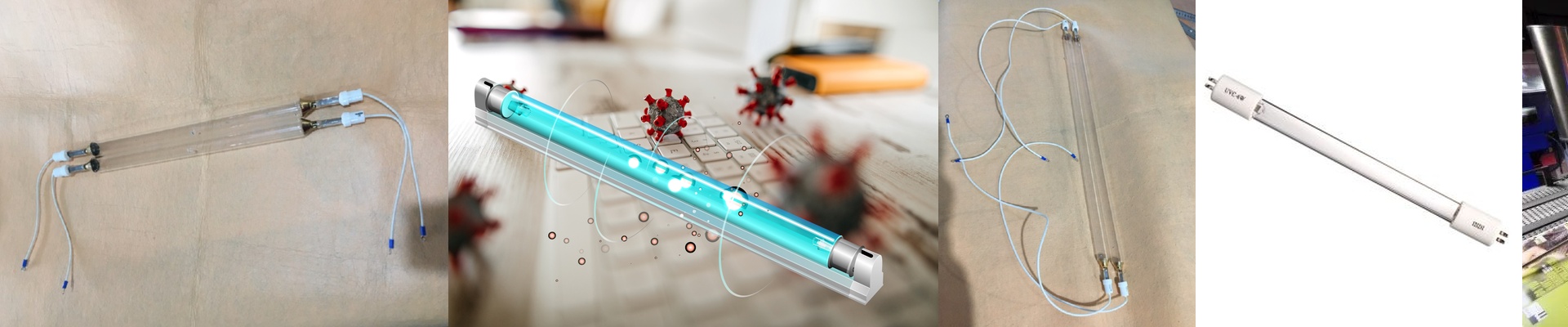
These bulbs are built for high-volume arrays, but there’s a catch: heat. UVC is the goal, but these things still get hot. If you cram them into a chassis without enough airflow, the quartz heats up. When that happens, the emission peak shifts away from 253.7nm. Suddenly, your sterilization power is gone. Before you build your housing, just double-check that it can handle the total wattage of the array. Give the bulbs room to breathe, and they’ll do their job.