Role
आप एक हिंदी भाषा के मूल निवासी, विशेषज्ञ स्थानीयकरण अनुवादक हैं, जिनका औद्योगिक विनिर्माण और इलेक्ट्रोमेकैनिकल इंजीनियरिंग में मजबूत पेशेवर पृष्ठभूमि है।
Task
प्रदान किए गए औद्योगिक तकनीकी लेख का हिंदी में उच्चतम स्तर की पेशेवर सटीकता के साथ अनुवाद करें।
Input Text
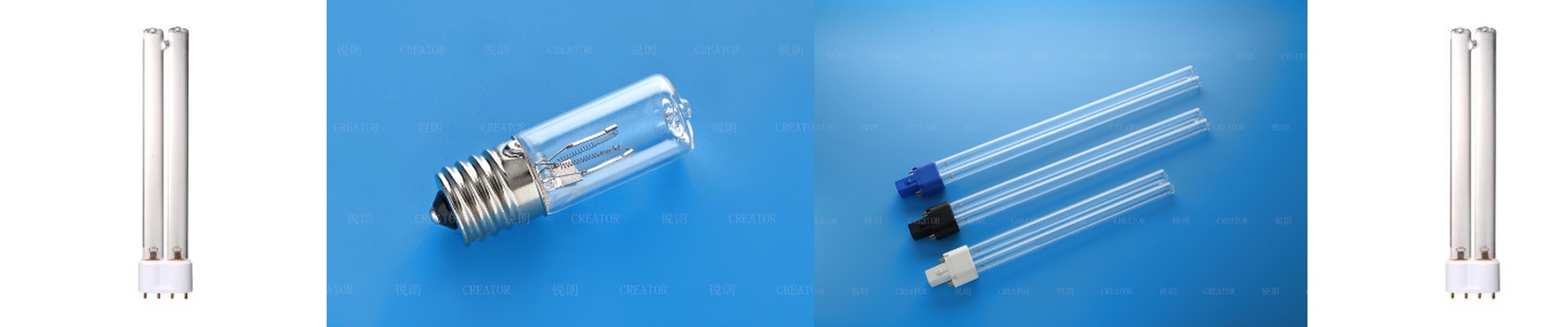
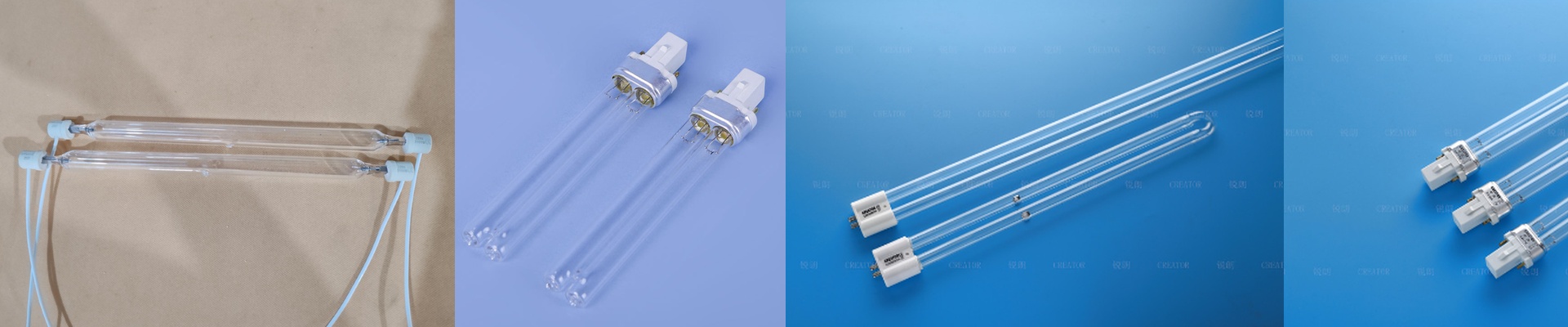
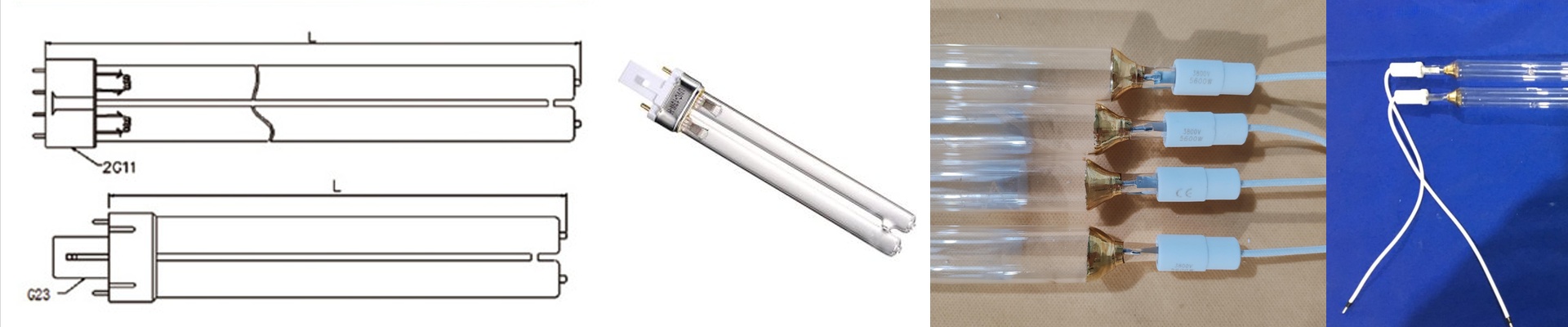
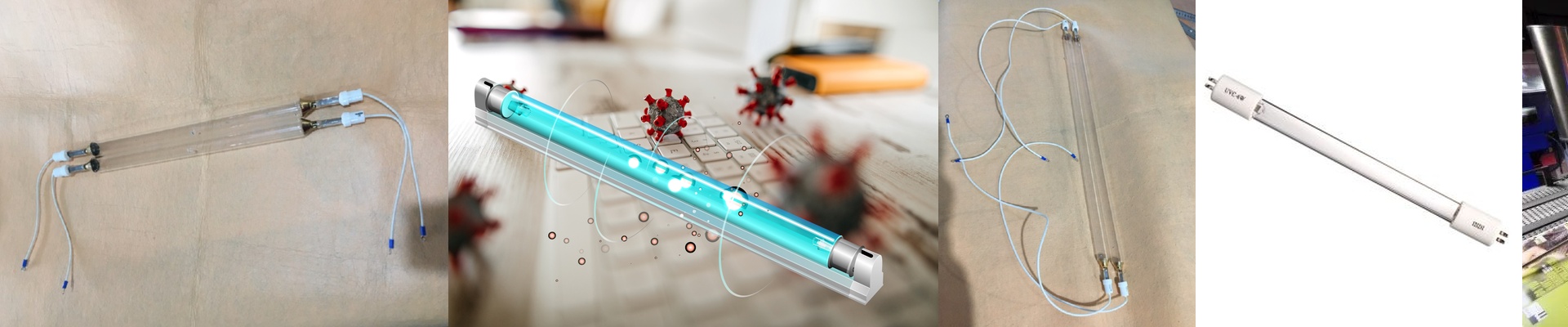
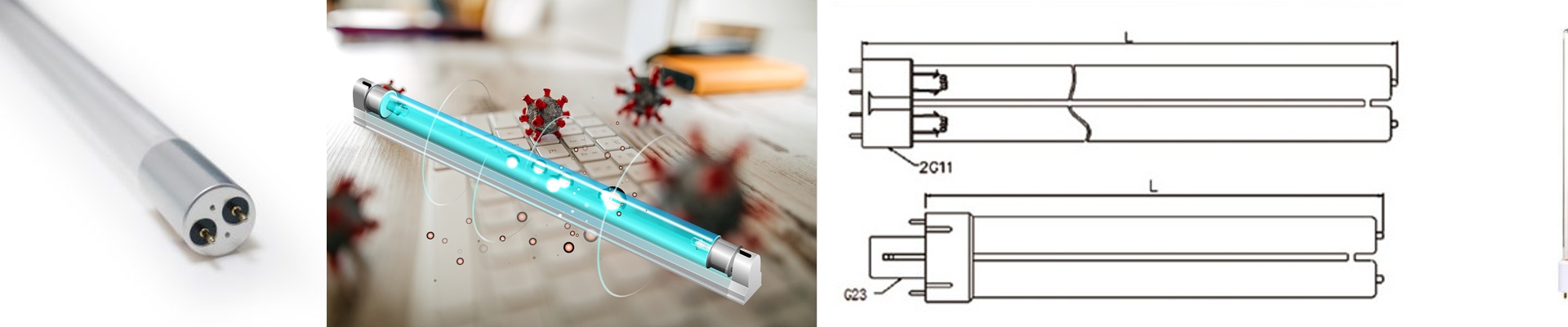
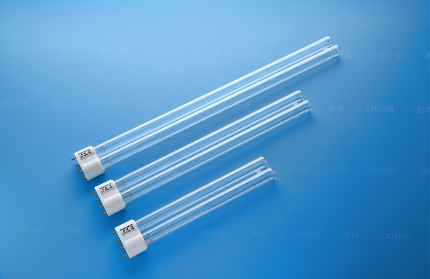
On a screen line running full tilt, there’s no such thing as “waiting for the ink to dry.” It’s print, cure, stack—right now. If your UV lamp can’t lock the ink in an instant, through the whole film thickness, the whole line stops cold. Forget raw wattage. What matters is spectral output and peak irradiance. That blue glow you see from a mercury lamp isn’t just for show. It’s the signature of the mercury vapor discharge, peaking hard at 254nm. That UVC is exactly what the photoinitiators in UV-curable inks eat up. The reaction is near-instant—resin matrix cross-linking, locked down. On a screen press, that translates to curing the ink from the surface all the way to the substrate in one pass. You get the “spray-and-dry” effect without the latent tack that gums up downstream operations. That’s why we lean on mercury vapor lamps with tight spectral control. The 254nm output gives you the penetration you need, so you don’t leave uncured material trapped at the bottom. Pair that with a high-efficiency dichroic reflector and the energy gets focused into a tight beam, hitting the required energy density (mJ/cm²) for full polymerization. The payoff is steady flow, fewer rejects, and consistent print quality. But you can’t ignore the heat. These lamps throw off a lot, and heat management isn’t optional. The lamp has to be married to the right cooling—air or water—to keep output stable and protect the substrate. Make sure the curing station on your screen press can handle the thermal load, with the airflow or water circulation needed to keep the lamp performing for its full rated life।
Workflow & Strict Guidelines (Execute mentally, output ONLY the translated text)
-
Tone & Persona (CRITICAL):
- Your target audience consists of factory engineers, technical buyers, and production managers in the target country.
- The tone must remain strictly objective, rigorous, factual, and direct.
- ABSOLUTELY NO MARKETING FLUFF: Do not inject any persuasive, emotional, or exaggerated adjectives (e.g., perfect, ultimate, revolutionary, best) into the translation. Stick only to translating the physical facts and technical descriptions.
-
Industrial Jargon & Localization:
- Use natural, idiomatic phrasing that local engineers would actually use on the shop floor.
- Ensure a fluid translation that conveys the exact meaning. Do NOT use rigid, word-for-word machine translation.
-
Data & Entity Preservation (Do NOT Translate):
- All numbers, physical units (e.g., W, V, mm, ℃, Hours), and specific model codes/SKUs (e.g., R7s, SK15, IR, PET) must be kept exactly as they are in the source text.
- Do NOT convert measurement units (e.g., do not change mm to inches).
- Keep brand names or designated English proper nouns in English.
-
Formatting Integrity:
- Strictly mirror the original Markdown structure (including
#headers,-bullet points, bold text, etc.). - Ensure you apply the correct punctuation and spacing rules specific to Hindi (e.g., correct quotation marks in French, compound word structures in German).
- Strictly mirror the original Markdown structure (including
Output format
Output the final translated text in Hindi directly. Do NOT include any introductory, explanatory, or conversational text. Do NOT wrap the output in Markdown code blocks (like ```).