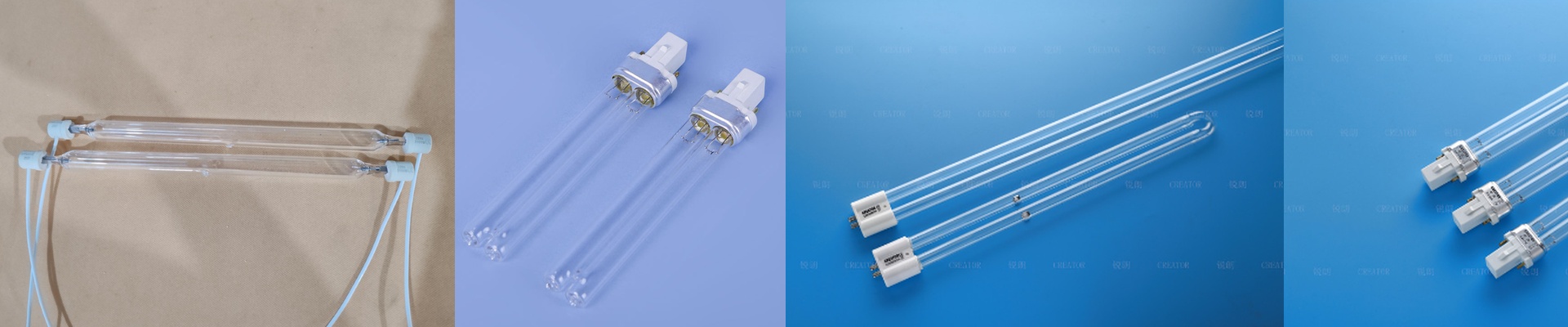
Introduction
Let’s cut through the noise. These ultraviolet high-pressure mercury lamps? They aren’t just light sources. They’re more like little controlled fireballs. The gas and pressure inside are what really call the shots, deciding the spectrum and how steady the output stays. Out in the field, we’ve got a quick, practical trick. We watch the color of the light the moment it starts up. That quick glance tells us a lot about what’s inside and the overall quality of the lamp.
Getting Under the Hood
Here’s how these things actually work. The lamp fires up by striking an arc through vaporized mercury, all under serious pressure. That visible glow as it warms up? It’s like a fingerprint for the plasma inside. When the fill is right, the arc is steady, and you can even predict how the color will shift as the pressure builds. We build these for the real world of industrial work. That means high-voltage ignition and the ability to run hard at high wattage. Nothing about the voltage is random—it’s matched perfectly to the ballast and ignitor. So even when the line voltage dips and jumps, the arc still strikes reliably. The tube length and wattage also set the heat density. A shorter, high-wattage tube packs that energy into a tight spot. Perfect when you need serious power in a small curing zone.
What’s Inside and Why It Matters
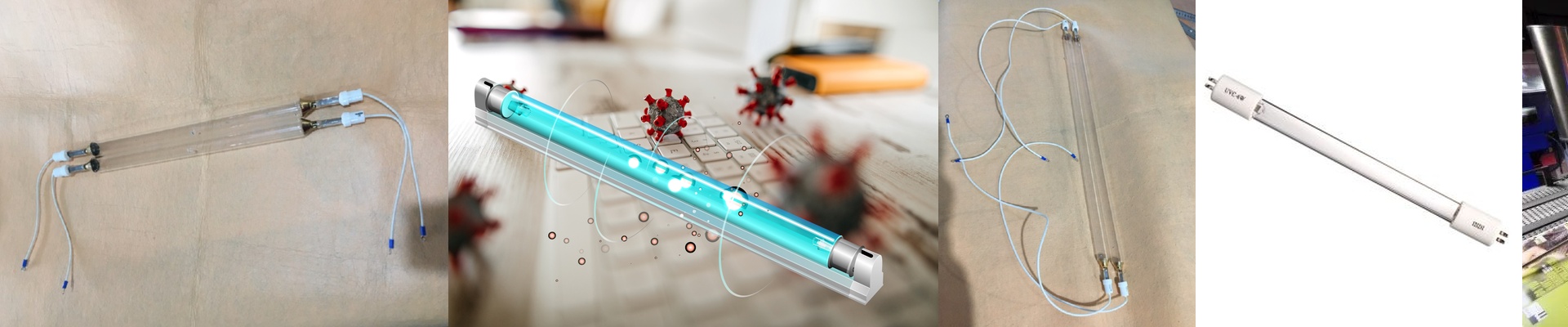
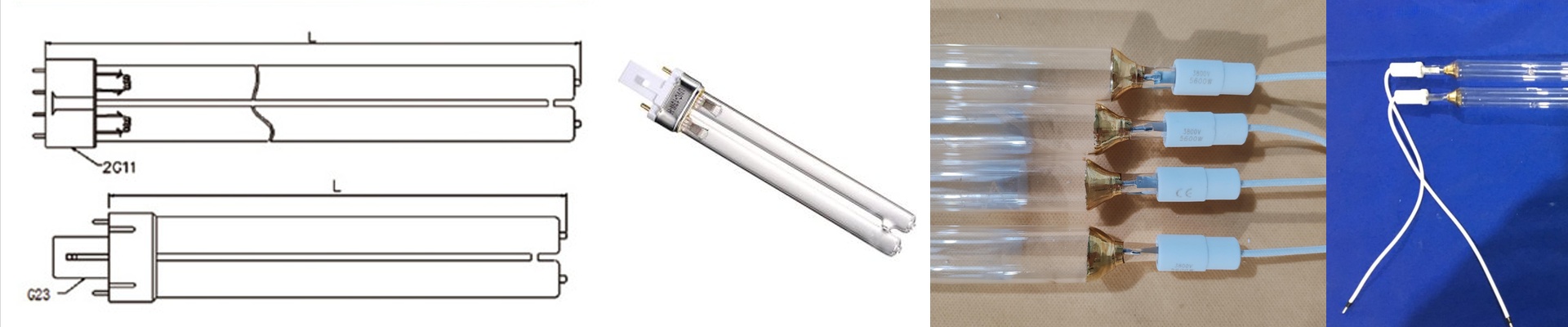
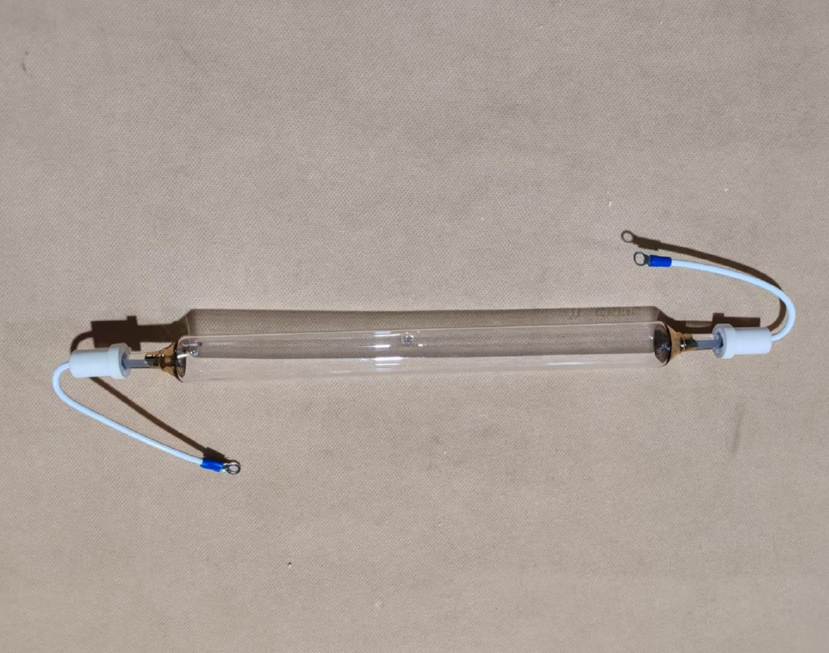
The quartz envelope is tough enough to handle the heat and lets the UV through. But the real magic is the fill inside. Pure mercury gives you that signature spectrum, but it’s the trace gases—usually inert—that manage the initial ignition and the warm-up. When you see a steady, bluish-white arc, you know the fill is in harmony with the tube geometry and the electrodes. Then there are the connectors, typically R7s or similar double-ended designs. They do two simple jobs: hold everything in place and make sure the current flows reliably. They also position the arc exactly where it needs to be, which is critical for aligning the light and managing the heat.
What It Feels Like to Use
On the production floor, this setup means serious output in a small footprint. The high-pressure mercury spectrum is heavy on the UV, which means you can cure coatings, adhesives, and inks fast. And that high voltage paired with high wattage? It means the lamp warms up quickly and settles into a stable output once the arc is running. But there’s a trade-off. That intense heat density means you need proper cooling and a ballast that’s matched to the lamp. If you run it with the wrong ballast, the color temperature gets wobbly, the electrodes wear out faster, and the lifespan plummets. On the bench, a lamp that starts with a harsh, unstable color or takes forever to settle is waving a red flag. It usually points to issues with the fill, electrode contamination, or weak quartz. Start by reading the color temperature as a quick check, then confirm it with measured output and runtime stability.