Stop Letting Your Cure Rate Kill Your Speed
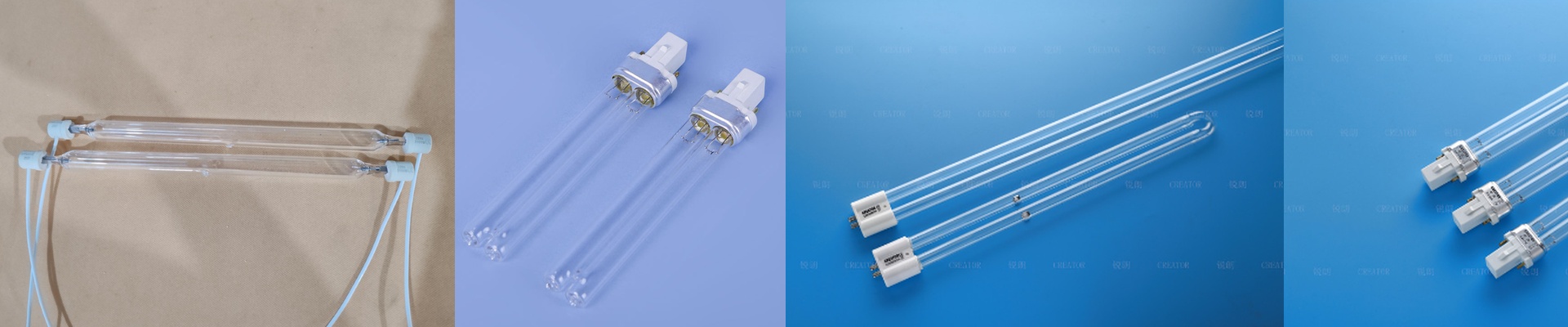
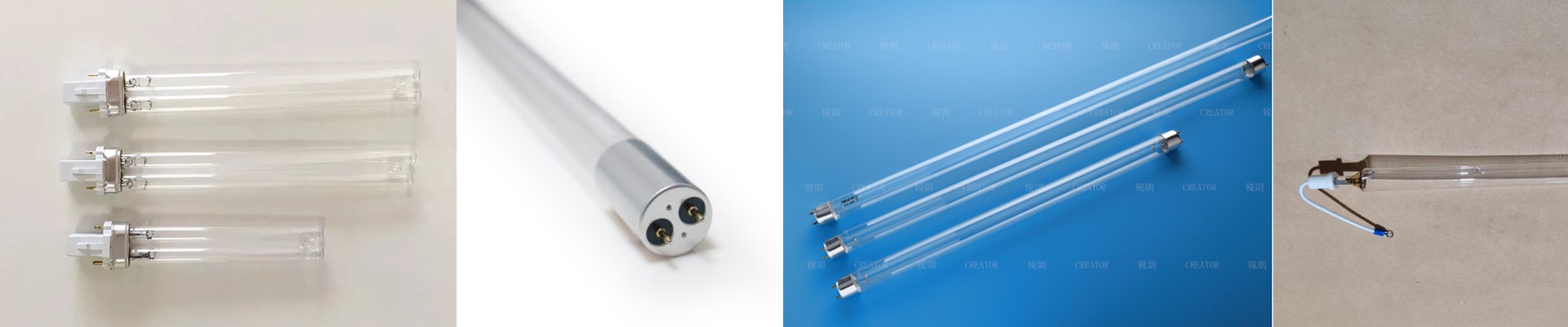
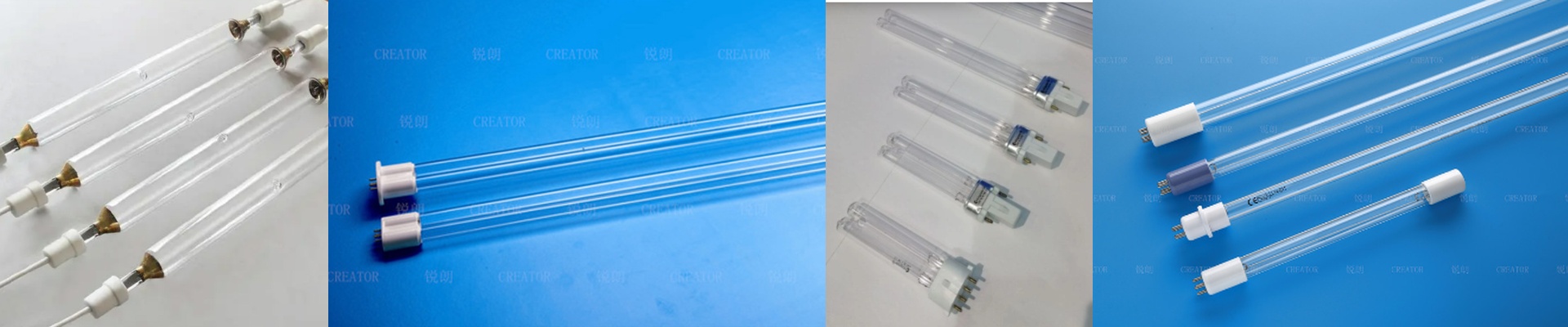
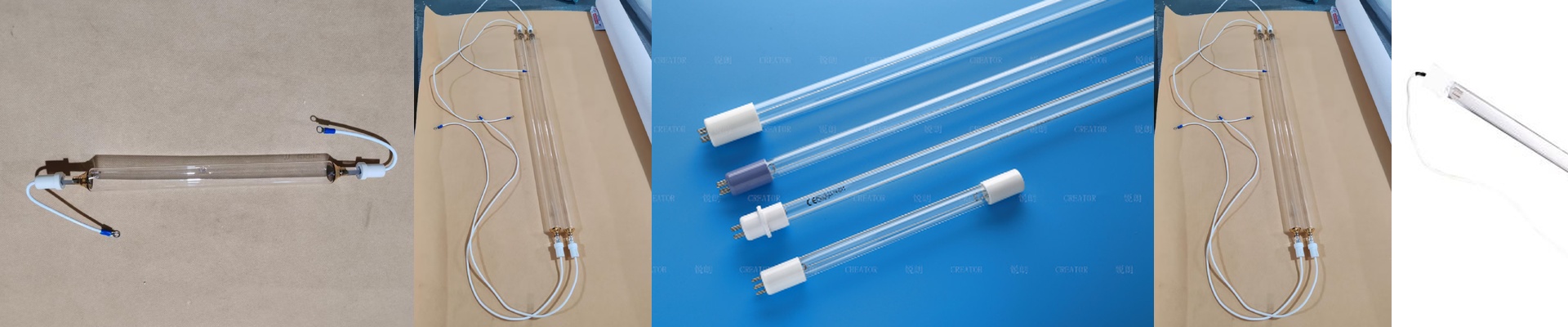
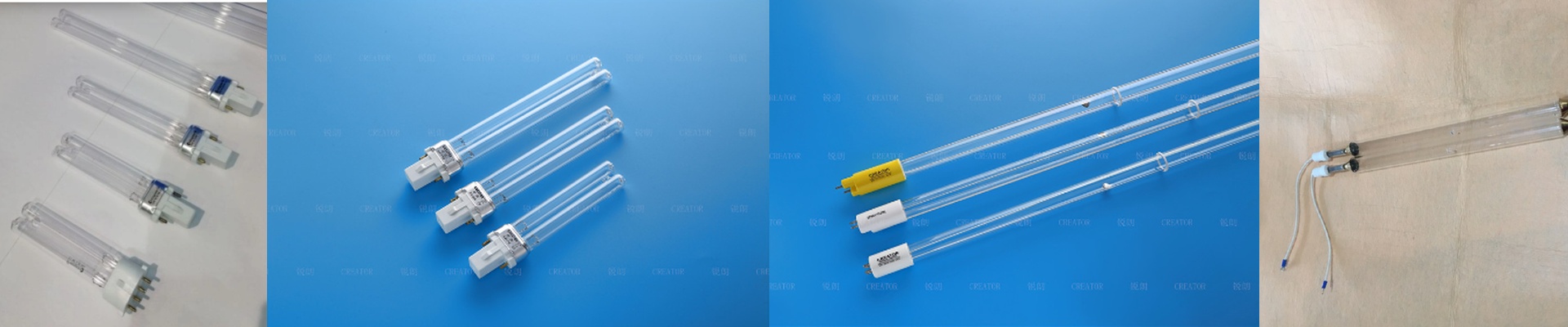
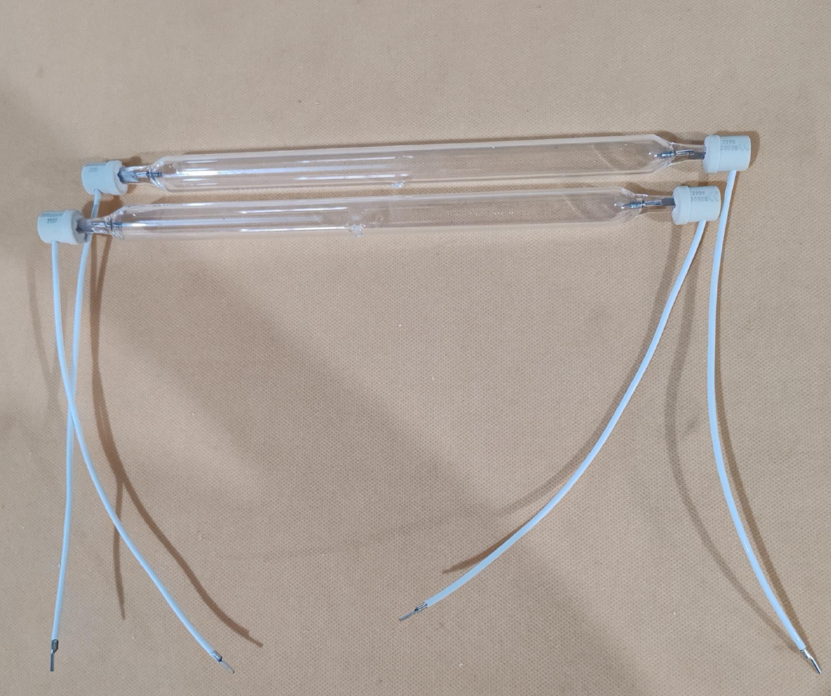
In a high-volume setup, the machine speed usually isn’t what’s holding you back. It’s the curing. If your parts aren’t drying fast enough, everything else slows down. That’s why we build our UV lamps to slide right into your automated lines. We’re talking about photopolymerization that happens in a blink. And for those of you juggling a flexible supply chain, we kept things simple: one standardized, high-turnover model. When a lamp finally burns out, you just swap it. No need to spend your weekend redesigning the entire fixture. The nitty-gritty on power We’ve obsessed over the power-to-length ratio here. Why? Because you need the light to hit the substrate evenly, every single time. We use high-intensity quartz glass so the envelope doesn’t crack when you’re cycling it on and off rapidly. But here is the thing: when you cram that much wattage into a small space, it gets hot.Really hot. Make sure your cooling fans or water-jackets are up to the task. If you skimp on the cooling, your lamp life is going to tank. Swap it and forget it Nobody wants to spend three hours messing with custom wiring. We use industry-standard connectors, so these are true drop-in replacements. Because we stick to a fixed size, we keep them in stock. You don’t have to deal with those nightmare lead times you get with “custom-engineered” solutions. You just get a lamp that fits your housing, plugs into your power, and gets you back to work. The trade-off These lamps are built for raw speed. They hit full temperature almost instantly, which is exactly what you need for those intermittent cycles. But there’s a catch: they’re thirsty. High-output lamps pull a lot of current. If your cabling is too thin or your grid is acting up, you’ll get voltage drops. That leads to patchy curing, and that’s a headache you don’t need. Do yourself a favor: use heavy-gauge leads. Keep the power steady, and the output stays consistent across the whole tube.